Curtis.Castiglione@ROzebra.com

2020 Honda Odyssey Rear-End Collision and Liftgate Repair
When a 2020 Honda Odyssey is involved in a rear-end collision, the damage often extends far beyond the visible scuffs on the plastic bumper cover. For owners, the primary concern is usually the cosmetic appearance of the van. However, for a repair professional, the focus is on the sophisticated power liftgate system, Advanced Driver Assistance Systems (ADAS), and the structural integrity of the rear body panel.
If you have received an initial estimate from an insurance adjuster that seems low, or if your repair shop is calling you with unexpected findings, it is important to understand why these modern minivans require more than just a simple dent and paint fix.

Does insurance cover the electrical and mechanical components of a power liftgate?
Generally, if the damage was caused by a covered peril—such as a rear-end collision—the insurance policy should cover the repair or replacement of any component damaged in that event. This includes:
- The liftgate motor and drive units
- The wiring harness and connectors
- The latch and cinching assembly
- The rearview camera and proximity sensors
However, insurance companies typically only pay for what can be proven through documentation. This is why a thorough teardown and diagnostic scan are critical. A liftgate that opens once during an inspection may still have an intermittent problem. If the liftgate grinds or fails on the third try, that mechanical failure must be documented as part of the claim to ensure it is covered.
The Problem with Hidden Damage in Modern Minivans
The 2020 Honda Odyssey power liftgate is a precision-aligned component. Even a slight shift in the rear body panel or the liftgate hinges can cause the motor to experience resistance. What looks like a simple dent in the liftgate skin can actually be a distorted mounting point for the hinges or gas struts.
When a shop begins the teardown or blueprinting process, they remove the interior trim panels and the rear bumper cover. This often reveals damage that was invisible to the naked eye:
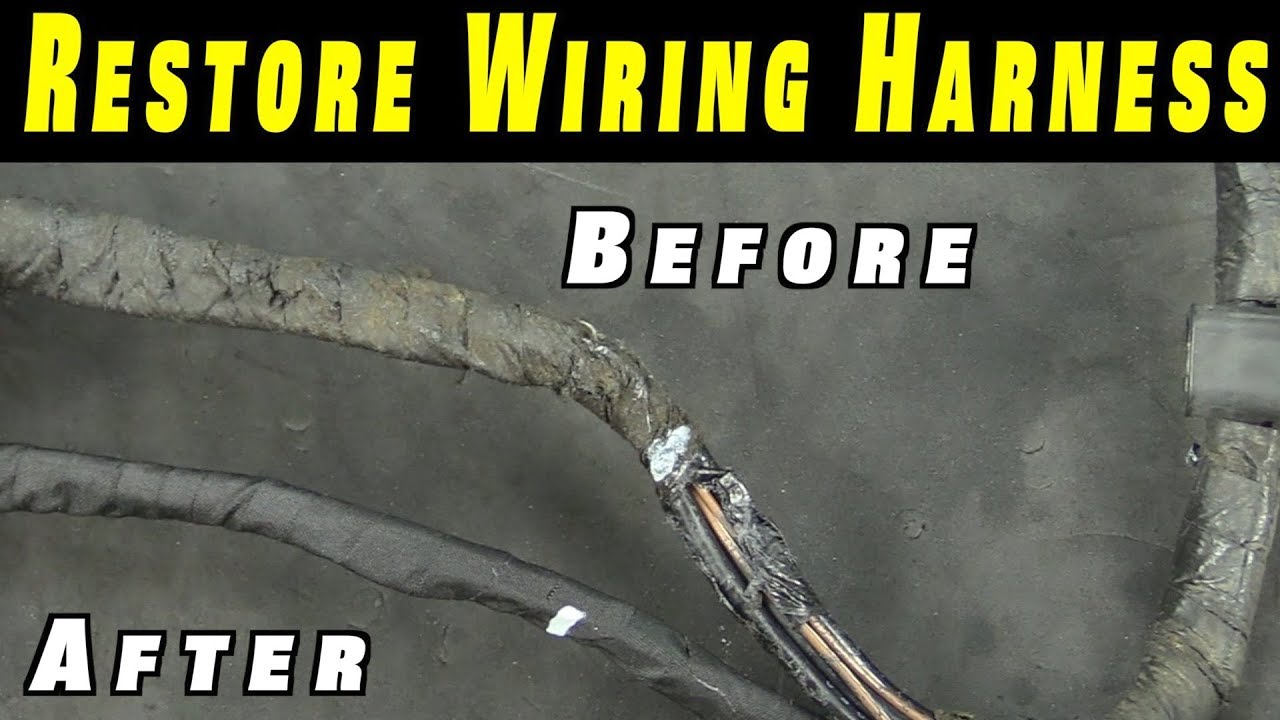
- Pinched or Frayed Wiring: Harnesses leading to the latch or rear sensors can be crushed between the bumper reinforcement and the body.
- Bent Striker or Latch: If the alignment is off by even a few millimeters, the cinching motor may fail to seal the door consistently.
- Distorted Rear Body Panel: This is the structural wall behind the bumper. If this is pushed in, the entire liftgate opening is out of square.
- Component Mounting Points: Cracks in the rear camera housing or bent brackets for the sonar sensors.
Why Your Initial Estimate Will Likely Increase (The Supplement Process)
It is common for an initial insurance estimate to be much lower than the final repair bill. This is known in the industry as a supplement.
The first estimate is often a field appraisal based on a visual inspection without taking the vehicle apart. Once the shop starts the disassembly process, they will submit a supplement to the insurance company for the additional parts, labor, and diagnostic steps found underneath the skin.
The Role of ADAS and Calibration
In the case of the Odyssey, costs often jump when sensors or cameras are involved. If the rear sonar sensors in the bumper are moved or replaced, the system may require calibration. This is a specialized labor operation where a technician uses software and specific targets to ensure the van’s safety systems are seeing correctly. Many insurance companies will not include calibration on the first estimate; they wait for the shop to prove it is necessary via a pre-repair diagnostic scan.

Parts: OEM vs. Aftermarket and Recycled
For a 2020 model, you may encounter a Choice of Parts issue. Your insurance policy might state that the insurer can specify Like Kind and Quality (LKQ) or aftermarket parts to save costs.
However, for components like the liftgate latch, wiring harness, or sensors, many manufacturer guidelines recommend Original Equipment Manufacturer (OEM) parts. This ensures the electrical resistance and communication protocols match the vehicle's computer requirements. If a liftgate fails to function correctly with an aftermarket latch, the shop must document this incompatibility to justify the cost of an OEM replacement to the insurer.
Practical Steps for the Vehicle Owner
Before you authorize the final repairs or sign off on an insurance settlement, take the following steps:
- Test the Functionality Yourself: Does the liftgate make a new grinding noise? Does it hesitate or bounce back when closing? Check the pinch sensors (the rubber strips on the sides of the door) to see if they still stop the door when they encounter an obstruction.
- Ask About the Diagnostic Scans: Ask the repair facility if they perform a pre-repair scan and a post-repair scan. These reports show whether the vehicle’s computers are communicating correctly with the liftgate and rear sensors.
- Check for Repeated Cycles: Ask the shop if they tested the liftgate through multiple opening and closing cycles. A door that is slightly out of alignment might work once but fail after the metal expands in the sun or vibrates during a drive.
- Review Your Policy: Understand your responsibility regarding wear and tear. If the shop finds a liftgate strut was leaking before the accident, the insurance company may deny that specific part, making it a customer responsibility.
The Bottom Line
Repairing a modern vehicle is no longer just about hammers and paint; it is about electronics and precision alignment. If your Odyssey has been hit from behind, ensure your shop is looking at the wiring, the software, and the structural mounting points—not just the plastic bumper.
Written by Curtis Castiglione
Note: Insurance policies and state laws vary. Always review your specific policy and consult with a qualified repair professional regarding your vehicle's safety and structural integrity.



No Comments Yet
Be the first to comment on this article.