Curtis.Castiglione@ROzebra.com

2020 Honda CR-V Rear Collision Hidden Damage Guide
When you are involved in a rear-end collision in your 2020 Honda CR-V, your first instinct is likely to check the plastic bumper and the liftgate. If the bumper is not hanging off and the hatch still opens, it is tempting to assume the damage is minor. However, modern automotive engineering—specifically the way Honda designs its crumple zones—means that the most significant damage is often hidden from the naked eye.
Understanding the relationship between the visible damage, the structural components underneath, and your insurance claim is vital to ensuring your vehicle is returned to its pre-accident safety standards.
Why did my estimate change after the bumper was removed?
It is a common source of frustration for vehicle owners: the insurance adjuster writes an initial estimate for 1,200 dollars, but after two days at the body shop, the bill jumps to 4,500 dollars. This happens because most initial insurance estimates are visual-only.
Adjusters often write what they can see without disassembled parts. However, a professional repair facility performs a process called a teardown or blueprinting. On a 2020 CR-V, removing the rear bumper cover often reveals more than just a dented plastic shell.

During the teardown, technicians inspect:
- The Energy Absorber: A foam or plastic piece designed to crush on impact.
- The Reinforcement Bar (Bumper Bar): The metal beam that protects the chassis. If this is bowed, it has done its job, but it must be replaced.
- The Rear Body Panel: This is the vertical sheet metal where your liftgate latches. Even a low-speed impact can push the reinforcement bar into this panel, causing misalignment that prevents the liftgate from sealing properly.
- The Cargo Floor: The horizontal floor of your trunk (where the spare tire sits) can buckle or oil-can when the rear structure is compressed.
The Exhaust System: A Path for Hidden Mechanical Damage
The exhaust system on a CR-V is not just a pipe; it is a long, rigid assembly suspended by rubber hangers and metal brackets. Because the muffler sits so close to the rear bumper, it often takes a direct hit in a collision.
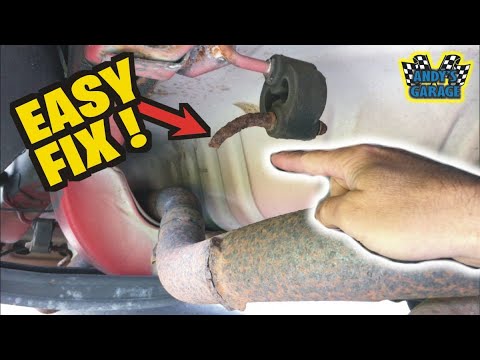
Even if the exhaust pipe does not look crushed, the force of the impact can travel upstream. Technicians must inspect:
- Hangers and Brackets: These can tear or bend, leading to vibrations or rattles.
- Engine and Transmission Mounts: If the exhaust was pushed forward with enough force, it could stress the components that hold your engine in place.
- Oxygen Sensors and Catalytic Converters: These are sensitive ceramic and electronic components that can fail if the exhaust system is jarred violently.
If you notice a Check Engine light or an unusual vibration after a rear-end hit, it is likely a mechanical consequence of the collision.
Technology and Calibration: The Honda Sensing Factor
The 2020 Honda CR-V is a highly technical machine. Tucked behind the corners of the rear bumper are Blind Spot Information (BSI) radar units. Additionally, the rear of the vehicle may house parking sensors and a rearview camera.
A collision can knock these sensors out of alignment without actually breaking them. However, Honda repair guidelines are strict: if the rear body panel is repaired or replaced, or if the sensors were disturbed, a system calibration is required.

This involves using specialized targets and diagnostic software to ensure the vehicle sees the road correctly. If your estimate does not include a pre-repair and post-repair scan, your safety systems may not function when you need them most.
Does insurance cover these hidden supplements?
Generally, yes. A supplement is simply an additional claim for damages found after the initial estimate was written.
When the shop finds a buckled cargo floor or a torn exhaust hanger, they document it with photographs and submit a supplemental estimate to the insurance company. While insurance policies vary, most collision coverage is intended to return the vehicle to its pre-loss condition.
A Note on Parts: OEM vs. Aftermarket
The 2020 CR-V utilizes high-strength steel in its rear structure. Honda has specific Position Statements regarding how this steel can be repaired. In many cases, these structural parts cannot be straightened with heat because heat weakens the metal. They must be cut out and replaced at factory seams using Original Equipment Manufacturer (OEM) parts.
Review your policy: some insurance companies will only pay for Alternative or Aftermarket parts. However, for structural integrity and safety-critical components, your shop may argue that only OEM parts satisfy the manufacturer repair specifications.

What should I do if I am involved in a rear-end collision?
If your CR-V is hit, follow these practical steps to ensure a complete repair:
- Check the Spare Tire Well: Lift the carpet in the trunk. If you see any ripples in the metal or standing water, you have structural damage that requires professional attention.
- Test the Liftgate: Open and close it several times. Does it feel tight? Are the gaps between the door and the body wider on one side than the other?
- Ask for a Blueprint Estimate: Choose a repair facility that performs a full teardown before ordering parts. This reduces the wait time mid-repair.
- Inquire About Calibration: Specifically ask the shop if the BSI (Blind Spot) sensors or rear camera will require calibration according to Honda requirements.
- Understand Diminished Value: Even if a structural repair is done perfectly, the vehicle now has a structural damage entry on its history report. Depending on your state and who was at fault, you may be entitled to a Diminished Value claim to compensate for the loss in resale value.
The Bottom Line: A rear-end collision on a modern SUV like the 2020 Honda CR-V is rarely as simple as replacing a plastic cover. By understanding the mechanical and structural domino effect of an impact, you can better advocate for a repair that is safe, complete, and fully covered by your insurance claim.
Written by Curtis Castiglione
Disclaimer: Insurance laws and policy provisions vary by state and provider. Always review your specific policy and consult with a qualified collision professional or legal advisor regarding your claim.



No Comments Yet
Be the first to comment on this article.