Curtis.Castiglione@ROzebra.com
2020 GMC Sierra 1500 Rear Collision Repair Guide
When a 2020 GMC Sierra 1500 is struck from behind, the initial insurance estimate often focuses on the most visible component: the rear bumper. However, modern light-duty trucks are engineered with integrated systems where a hit to the bumper frequently transfers energy into the pickup bed, the tailgate assembly, and complex trailering electronics.
If you are a vehicle owner looking at an estimate that seems low, or if you are wondering why your repair is taking longer than expected, it is usually because of the hidden relationship between these components.

Does a working tailgate mean there is no damage?
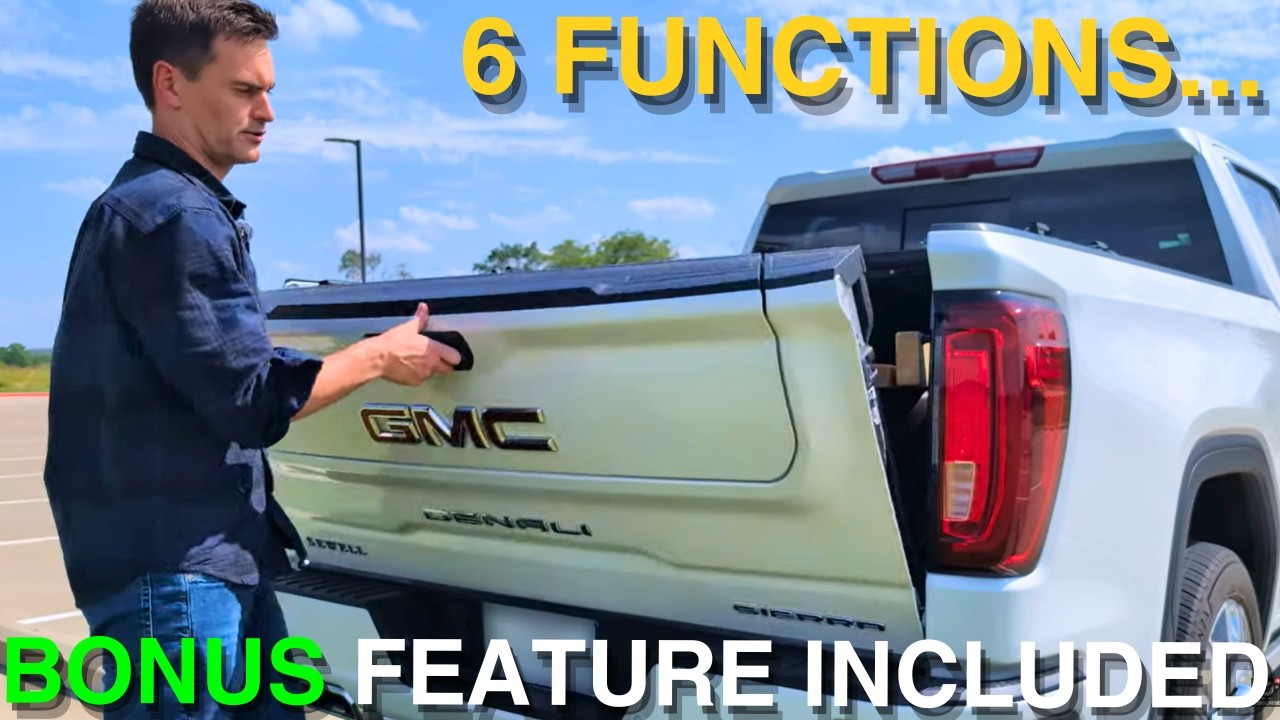
Not necessarily. On a 2020 Sierra, the tailgate—especially if equipped with the MultiPro inner-gate system—is a precision-aligned component. Even if the tailgate opens and closes after an accident, the impact may have shifted the pickup bed on the frame or distorted the tailgate hinges and strikers.
A professional inspection must include:
- The Cab-to-Bed Gap: Check the space between the back of the cab and the front of the pickup box. If the gap is narrower on one side, the bed has shifted on the frame.
- Mounting Points: Correcting this requires a labor operation to loosen the bed mounts, realign the box, and torque the bolts to manufacturer specifications.
- Rear Bed Panel: If the bumper was pushed forward, it likely made contact with the rear bed panel. Damage to the bed sheet metal or the underlying mounting brackets often remains hidden until the bumper is completely removed.
Why is my trailer connector acting up after a hit?
One of the most overlooked aspects of a rear-end collision is the trailer wiring harness. The trailer connector sits directly in the impact zone. While the plastic face of the plug might look intact, the wiring harness behind the bumper is often pinched or crushed against the frame rail or the spare tire carrier.

A crushed wire can cause:
- Intermittent ground issues.
- Trailer Connected or Check Trailer Wiring false positives on the dashboard.
- Total failure of the trailer brake controller.
During the estimating process, a technician should perform a pin-out test or use a trailer circuit tester to ensure the electrical integrity of the system. Replacing a main rear wiring harness is a significant labor expense that is rarely captured in a drive-by insurance estimate.
Why did my estimate change? Understanding the Supplement Process
It is common for an initial insurance estimate to be written based only on what the adjuster can see while the truck is fully assembled. In the collision industry, we call the necessary updates to this estimate a supplement.
When the repair facility begins the teardown (disassembling the damaged area), they may discover:
- Cracked Sensors: Blind-spot monitoring sensors behind the bumper corners may be fractured.
- Buckled Brackets: The high-strength steel bumper brackets are designed to absorb energy to protect the frame. These are one-time-use items; if they are even slightly deformed, they must be replaced to maintain the vehicle safety ratings.
- Hidden Structure: The impact bar or reinforcement beam behind the chrome or painted plastic often takes the brunt of the force while the outer skin springs back into shape.
A supplement is the formal process of documenting this additional damage with photographs and manufacturer repair procedures to ensure the insurance company covers the cost of a complete and safe repair.
Technology and Calibration: The Invisible Repair
A 2020 GMC Sierra is essentially a mobile computer. The rear bumper houses ultrasonic park assist sensors and, depending on the trim level, radar units for cross-traffic alerts. If these sensors are moved even a few millimeters due to a bent bracket or a shifted bumper, they will not function correctly.
- Scans and Calibrations: Most insurance policies cover the cost of electronic scans. A pre-repair scan identifies existing faults, and a post-repair calibration ensures the safety systems are looking at the road correctly.
- The Difference: If your estimate does not include ADAS Calibration or Post-Repair Scanning, the repair is technically incomplete, even if the paint looks perfect.
Parts: OEM, Aftermarket, and Recycled
Insurance policies vary significantly regarding which parts are used. Some policies allow for Original Equipment Manufacturer (OEM) parts, while others may specify Like Kind and Quality (LKQ/Recycled) or aftermarket parts to save costs.
On a newer truck like a 2020 Sierra, using aftermarket bumper reinforcements or brackets can sometimes lead to fitment issues with the factory sensors. You should review your policy or speak with your claims adjuster to understand your specific coverage. If you insist on OEM parts but your policy does not cover them, you may be responsible for the price diff—the difference in cost between the two parts.
What should I do before authorizing repairs?
Before you sign the repair authorization, ask the facility the following questions:
- Has a full teardown been performed? An estimate written without removing the bumper is almost certainly incomplete.
- Are you checking the trailer connector and ground wiring? This prevents electronic headaches three months down the road.
- Are you checking the bed-to-cab alignment? This ensures the frame and bed mounts are still squared.
- Are you following GMC's high-strength steel procedures? High-strength steel components cannot be straightened with heat; they must be replaced if deformed to maintain structural integrity.
A rear collision on a modern GMC Sierra is a mechanical and electronic repair just as much as it is a cosmetic one. By documenting the hidden damage to the wiring, mounts, and sensors, you ensure the truck is returned to its pre-accident condition and maintain its long-term resale value.



No Comments Yet
Be the first to comment on this article.