Curtis.Castiglione@ROzebra.com

2020 Ford F-150 Front-End Collision Repair Guide
When you look at a dented front bumper on a 2020 Ford F-150, you might see a simple piece of chrome or painted steel that needs to be replaced. However, in the modern collision repair industry, the bumper is no longer just a guard; it is a sophisticated housing for sensors, wiring, and precision-engineered structural supports.
If you have received an initial insurance estimate that seems low, or if your repair shop is telling you the cost has doubled after they took the truck apart, you are likely encountering the reality of modern automotive engineering.
The Myth of the Simple Bumper Repair
On a 2020 F-150, the visible part of the bumper—the face bar—is often the least complicated part of the repair. The true cost and complexity lie in what is happening behind the scenes. From a technician's perspective, a bumper is a sacrificial component designed to protect much more expensive and sensitive systems.
1. Structural Brackets: The Skeleton of the Front End
The bumper face bar is held to the frame by a series of heavy-duty steel brackets. These components are designed to 'clock' or align the bumper perfectly with the grille and the aluminum fenders.
- The Problem: In even a low-speed impact, these brackets are designed to absorb energy. They often bend or twist while the bumper itself springs back into a shape that looks acceptable.
- The Result: If a shop installs a new bumper onto bent brackets, the gaps between the bumper and the headlights or fenders will be uneven. On an aluminum-bodied truck like the 2020 F-150, there is very little 'play' in the mounting points. This means precision is mandatory to ensure the truck's structural integrity and aesthetic lines are restored.

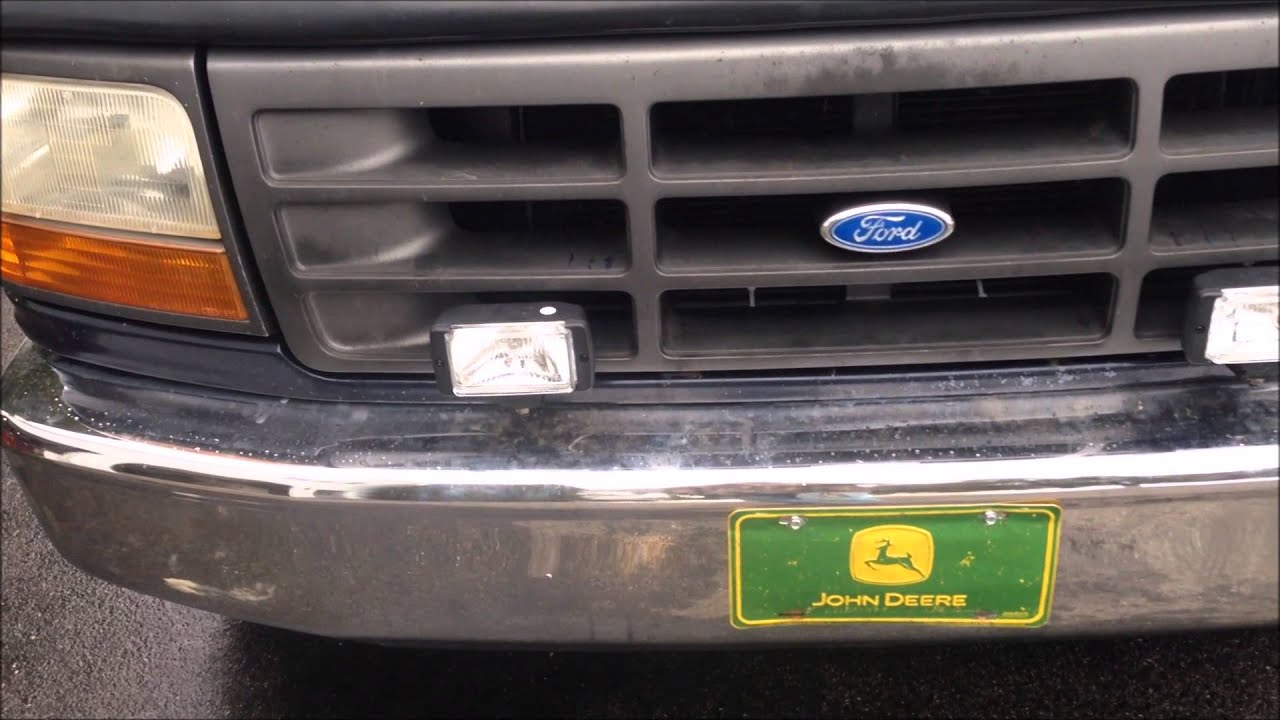
2. Fog Lamps and Brittle Components
Mid-to-high trim F-150s, such as the Lariat, King Ranch, or Platinum, feature fog lamps recessed into the bumper assembly. These are not just bulbs; they are integrated units with specific mounting requirements.
- Broken Tabs: These lamps are secured by plastic mounting tabs. These tabs are intentionally rigid to prevent the lights from flickering while driving, but they are incredibly brittle. Even if the glass lens isn't broken, a single snapped tab usually requires the replacement of the entire lamp assembly.
- Pinched Wiring: The wiring harness for the fog lamps and parking sensors is routed directly behind the bumper reinforcement. A collision can pinch this harness against the frame. While the lights might still turn on today, a pinched wire leads to moisture intrusion and corrosion, causing electrical 'ghosts' or total sensor failure months later.
3. Parking Sensors and ADAS Calibration
If your truck is equipped with front parking sensors, your bumper is now a piece of Advanced Driver Assistance Systems (ADAS) technology. This transforms a mechanical repair into a digital one.
- Precision Alignment: These sensors must be positioned at exact angles. If a bracket is slightly bent, the sensor might see the pavement or the edge of its own mounting hole, leading to constant false alarms.
- Pre- and Post-Repair Scanning: Ford's repair procedures require a diagnostic scan of the vehicle's computer systems before and after the repair. This ensures that the sensors are communicating correctly and that no internal faults were triggered by the impact. If your estimate includes 'Pre-Scan' and 'Post-Scan' charges, this is a necessary safety step, not an unnecessary add-on.
The Insurance Process: Why Estimates Change
It is common for a vehicle owner to ask why their insurance estimate changed after the shop started working. Understanding the difference between an initial inspection and a full teardown is key to managing your expectations.
The Preliminary Estimate vs. The Supplement
Most initial insurance estimates are written based on visible damage only. Adjusters often cannot see the twisted brackets or pinched wires until the bumper is removed.
- Teardown and Blueprinting: A professional shop will perform a teardown to see every damaged component. This is often called blueprinting the repair.
- The Supplement: When the shop finds hidden damage, they submit a supplement—a request for additional parts and labor—to the insurance company. This is a standard part of the repair process and ensures the vehicle is returned to its pre-loss condition.
OEM vs. Aftermarket Parts
One major point of contention is the use of Original Equipment Manufacturer (OEM) parts versus aftermarket parts. For a 2020 F-150, the fitment of an aftermarket bumper can be hit-or-miss.
Because the parking sensor holes must be precisely located, an aftermarket bumper that is slightly off-spec can cause the sensors to malfunction. Your insurance policy likely has language regarding the use of 'Like Kind and Quality' (LKQ) or aftermarket parts. You should review your policy to see if you have an OEM parts endorsement, which guarantees the use of factory parts.
What Should I Do After a Front-End Collision?
If you are navigating a claim for your 2020 F-150, follow these practical steps to ensure your truck is repaired correctly:
- Request a Blueprinted Estimate: Ask the shop if they have performed a full teardown before they finalized the parts order. This prevents delays later in the repair.
- Verify ADAS Procedures: Ask the shop if they are performing pre- and post-repair scans and checking sensor calibration. If they say it isn't necessary, they may be ignoring the manufacturer's safety recommendations.
- Document with Photos: Photos of damaged brackets, wiring, and mounting points make supplemental charges easier to understand for both you and the insurance adjuster.
- Check Your Policy: Review your insurance policy regarding parts usage and your right to choose a repair facility. Policies and state laws vary significantly, so it is important to consult with your insurance provider or a qualified professional.
Summary
A 2020 Ford F-150 is a high-tech machine wrapped in an aluminum shell. Treating a front-end collision as a simple bolt-on job ignores the sensors and structural components that keep you safe. By understanding the need for supplements, the importance of structural brackets, and the complexity of parking sensors, you can ensure your truck is returned to its pre-accident condition—both aesthetically and mechanically.
Written by Curtis Castiglione
Note: Insurance coverage and repair regulations vary by state and policy. Always consult with your insurance provider and a certified repair professional regarding your specific situation.



No Comments Yet
Be the first to comment on this article.