Curtis.Castiglione@ROzebra.com

2020 Chevrolet Corvette Rear-Corner Collision Repair Guide
By Curtis Castiglione
If you own a 2020 Chevrolet Corvette (C8) and have recently been involved in a rear-corner collision, you might be shocked when you compare your insurance company’s initial check to the final bill from the body shop. When a high-performance vehicle like the Corvette is damaged, the visual damage rarely tells the whole story. What looks like a simple cracked panel and a scuffed bumper often involves complex composite materials, aluminum suspension geometry, and sensitive electronic calibrations.
The short answer to why your estimate changed is this: Insurance appraisals are often preliminary visual documents, whereas a professional repair facility creates a blueprint based on a complete teardown of the vehicle.
The Reality of Corvette Body Construction: SMC vs. Steel
Most vehicles on the road are made of mild or high-strength steel that dents upon impact. The 2020 Corvette utilizes Sheet Molded Compound (SMC) and other advanced composites.
- Cracking vs. Denting: Unlike steel, which can often be pulled or hammered back into shape, SMC cracks or shatters under pressure. This means that even a small impact can compromise the structural integrity of the entire panel.
- Hidden Mounting Points: The rear quarter panel is attached to a complex network of brackets and the rear trunk tub. Even if the exterior panel looks repairable, the underlying mounting points—often made of specialized plastics or aluminum—are frequently distorted. If these are not perfectly aligned, the new panel will never fit correctly.

Why Your Estimate Will Change: The Supplement Process
It is a common misconception that the first estimate provided by an insurance adjuster is the final word. In the collision industry, we use a process called the Supplement.
- Initial Appraisal: An adjuster writes a quote based on what they can see while the car is fully assembled.
- Teardown: The repair facility removes the bumper, quarter panel, and wheel.
- Discovery: The shop finds a cracked radar bracket, a pinched wiring harness, or a bent aluminum reinforcement.
- The Supplement: The shop submits these findings to the insurer for additional parts and labor.
On a C8 Corvette, hidden damage is almost a guarantee due to how tightly the engine, suspension, and electronics are packaged in the rear of the car.
The Critical Role of Rear Suspension Geometry
In a rear-corner collision, the impact often travels through the tire and into the suspension. This is where costs can escalate quickly, and for good reason—your safety is at stake.
- Aluminum Components: The Corvette uses aluminum control arms and hub assemblies. Unlike steel parts, aluminum is generally not repairable or straightenable. If an alignment check shows the geometry is out of factory specifications, those parts must be replaced to ensure the car handles safely at high speeds.
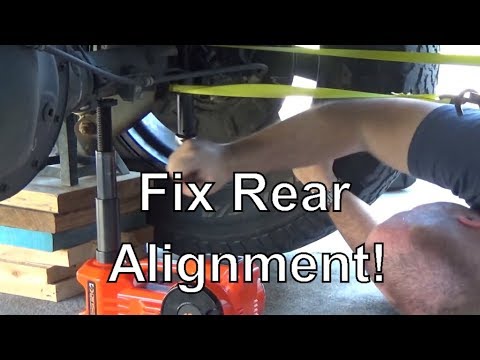
- Diagnostic Alignments: A professional shop will perform a four-wheel alignment early in the repair process. This is not just to make the car drive straight; it is a diagnostic tool to prove to the insurance company that mechanical components are bent.
Sensors, Radar, and ADAS Calibrations
Modern Corvettes are rolling computers. Tucked behind that rear bumper are parking sensors and, depending on your trim level, Side Blind-Zone Alert radar modules.
Even if the sensors themselves are not crushed, calibration is often required. If a bracket is replaced or the frame is pulled even a fraction of a millimeter, the radar module may be looking at the wrong lane.
- Pre- and Post-Scans: Your shop should perform a computer scan before repairs to see what systems are offline and a post-repair scan to ensure all codes are cleared.
- Safety Systems: If these electronic steps are skipped, your blind-spot monitoring may fail to alert you, or your parking sensors may provide false distance readings.

Insurance Coverage vs. Manufacturer Recommendations
One of the biggest friction points in a Corvette repair is the choice of parts and procedures.
- OEM vs. Aftermarket: Your insurance policy is a contract. Some policies state the insurer can use Like Kind and Quality (recycled) or aftermarket parts. However, General Motors (GM) often has specific mandates for structural repairs on the C8 that require new original equipment.
- The Gap: If your insurance company refuses to pay for a New OEM part that the manufacturer requires for a safe repair, you may be responsible for the out-of-pocket difference. Always check your policy for an OEM Parts Rider or Choice of Repair Shop provisions.
What Should You Do After a Rear-Corner Collision?
If you find yourself dealing with a damaged Corvette, follow these professional steps to ensure a proper recovery:
- Do Not Assume Drivability: If the impact hit the wheel, the car is likely unsafe for highway speeds until the suspension is measured and an alignment is performed.
- Choose a Specialized Shop: Ensure the facility has experience with aluminum structures and composite bodywork. Ask if they follow GM-specific OEM repair procedures.
- Document the Teardown: Request photos of the vehicle once the outer panels are removed. This documentation is vital for insurance supplements and if you choose to pursue a Diminished Value claim.
- Review the Post-Repair Scan: Ensure the shop provides documentation that all Advanced Driver Assistance Systems (ADAS) have been tested and calibrated according to manufacturer specs.
A 2020 Corvette is a precision machine. While the insurance company’s goal is to settle the claim according to the policy limits, your goal is to restore the car to its factory-engineered safety and performance standards. Never settle for an estimate that ignores the mechanical and electronic realities of your vehicle.




No Comments Yet
Be the first to comment on this article.