Curtis.Castiglione@ROzebra.com

2020 Buick Envision Front-Corner Collision Repair Analysis
If you have been involved in a low-speed parking lot accident or a fender bender in your 2020 Buick Envision, you might be surprised when you receive the initial repair estimate. At first glance, you may only see a scuffed bumper and a slightly misaligned headlight. You might assume the repair is a simple matter of some touch-up paint and a few plastic clips.
However, modern vehicle architecture—especially on a premium crossover like the Envision—is deceptive. What looks like a cosmetic scratch often hides a dense cluster of mechanical, electrical, and structural components packed tightly behind the plastic bumper cover.
Why does a minor front-corner collision result in such a high repair estimate?
The cost of a front-corner repair rises quickly because modern vehicles are no longer designed with empty space behind the body panels. On the 2020 Buick Envision, the area behind the bumper corner is a hub for several critical systems.
When an estimator or technician inspects this vehicle, they are looking for three specific types of damage that are rarely visible from the outside:
1. The Headlamp Hidden Fracture
The headlamp assembly on an Envision is a sophisticated, expensive piece of equipment. In a collision, the outer lens might survive without a scratch, but the internal mounting tabs and brackets are designed to break away to absorb energy.

- Why replacement is usually necessary: You may ask, "Why can't a technician just glue the plastic tab back on?" In professional collision repair, a glue repair often fails to provide the structural integrity needed to hold the lamp steady. This results in vibrating light beams while driving and poor panel alignment between the hood and fender.
- Liability and Safety: Most manufacturers do not provide approved repair procedures for these housings. If a shop performs an unauthorized repair and the lamp fails, they take on significant liability.
2. The Vulnerable Washer Reservoir
The windshield washer reservoir and its associated pump are typically positioned directly behind the bumper corner. Because the bumper is made of flexible plastic, it can flex inward during an impact, crush the reservoir against the frame, and then pop back into its original shape.
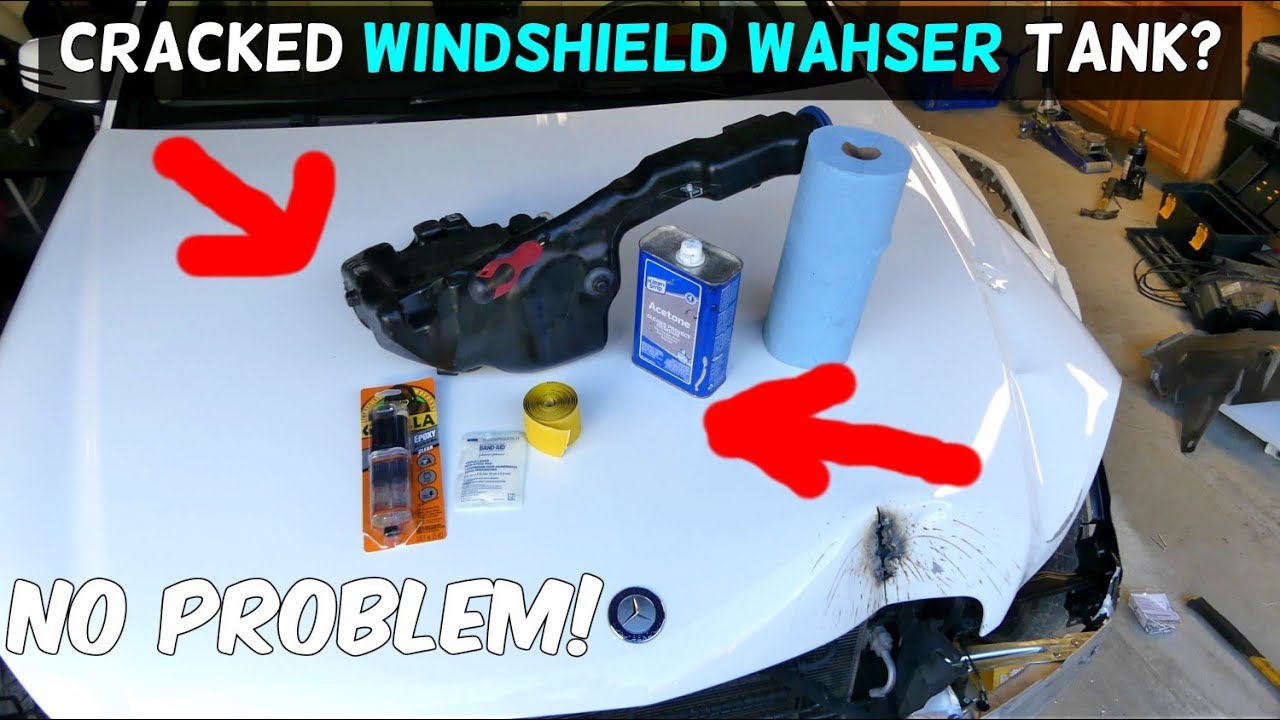
- The Delayed Leak: You may not realize the reservoir is cracked until days later when you try to use your washers or notice a puddle of blue fluid on your driveway. A cracked reservoir may not become obvious until washer fluid is added or the system is operated.
3. The Role of the Inner Wheel Liner
The plastic wheel liner (or inner fender) does much more than keep mud off your paint. It directs airflow for engine cooling and protects the engine’s sensitive wiring harnesses from road debris and water.
- Mounting Points: In a corner impact, these liners are often torn at the mounting holes.
- The Risk of Quick Fixes: A common mistake is attempting to zip-tie a damaged liner. If the liner is distorted, it can rub against the tire during sharp turns or at high speeds, eventually wearing through and exposing electrical connectors to the elements.
Why did my insurance estimate change after the shop started working?
It is common for an initial insurance estimate—written via a smartphone app or a quick driveway inspection—to be significantly lower than the final bill. This is because the insurance adjuster can only write for what they can see.
The Teardown and Supplement Process
To get an accurate price, the repair facility must perform a teardown (also called blueprinting). This involves removing the bumper cover and damaged trim to document the broken reservoir, snapped headlamp tabs, and any bent brackets underneath.
- The Supplement: Once the hidden damage is found, the shop submits a supplement to the insurance company. This is a request for additional parts and labor based on the actual condition of the vehicle.
- Documentation: Photographs of displaced liners, broken mounting tabs, and cracked plastic components are essential to justify these costs to the insurer.
How ADAS and Sensors Affect Your Repair Bill
Even if your 2020 Envision did not suffer structural frame damage, the technology inside the bumper adds a layer of complexity. Modern Envisions are often equipped with front parking sensors, side-impact sensors, and radar units for cruise control.

Calibration is key. Many manufacturers require that if a sensor is removed and reinstalled—even if it was not damaged—the Advanced Driver Assistance Systems (ADAS) must be recalibrated. This ensures the vehicle’s eyes are pointing in the right direction. This technical operation requires specialized software and targets, often adding several hundred dollars to what seemed like a simple repair.
Can I choose which parts are used for my repair?
This is a common point of disagreement between vehicle owners and insurance companies. Whether your car receives Original Equipment Manufacturer (OEM) parts, aftermarket parts, or recycled (used) parts depends largely on the specific language in your insurance policy and your state’s regulations.
- OEM Parts: These are made by Buick and are identical to the parts your car was built with.
- Aftermarket Parts: These are made by third-party companies. While often cheaper, they must be inspected for proper fit and, in the case of headlamps, proper light aim.
- Recycled Parts: These are salvaged from other vehicles.
Review your policy and discuss your preferences with your repair facility. Keep in mind that for safety-critical items like headlamps and sensors, many professionals prefer OEM components to ensure the ADAS systems function as intended.
Practical Steps: What should you do after a front-corner impact?
- Check for Leaks: Look under the front corner for fluid. If you see clear, blue, or green fluid, your washer reservoir or cooling system may be compromised.
- Do Not Assume It Is Safe: A displaced wheel liner can catch on a tire at highway speeds. Have a professional inspect the wheel well before driving long distances.
- Request a Blueprinting Estimate: Ask your shop to perform a full teardown before they finalize the repair plan. This prevents surprises halfway through the process.
- Insist on a Post-Repair Scan: Ensure the shop performs a diagnostic scan after the repair to verify that all sensors and computers are communicating correctly.
- Review Your Policy: Understand your coverage for OEM parts and your deductible before authorizing work. Insurance coverage and state laws vary, so consult with your agent or a qualified professional if you have questions about your specific policy.
By Curtis Castiglione



No Comments Yet
Be the first to comment on this article.