Curtis.Castiglione@ROzebra.com

2020 BMW X5 Front-End Collision Repair & Insurance Guide
If you have been involved in a front-end collision with a 2020 BMW X5, the initial estimate you receive from an insurance company or a repair facility may seem manageable at first glance. However, modern luxury SUVs like the X5 are engineered with complex layers of technology and cooling systems packed tightly behind the front bumper cover. What looks like a simple scuff on the plastic can easily evolve into a five-figure repair once the vehicle is disassembled.
Why did my initial estimate change after the shop started working?
The most common question owners ask is why an estimate for a bumper and a headlight suddenly doubles or triples in cost. The reason is hidden damage.
An insurance adjuster often writes a preliminary estimate based only on what is visible from the outside. In the industry, this is called a visual estimate. On a 2020 BMW X5, the bumper cover is essentially a cosmetic skin. Behind it sits the real complexity: the cooling package, the radar sensor for the Active Driving Assistant, ultrasonic parking sensors, and a network of wiring harnesses.

Once the shop performs a teardown—the process of removing the damaged outer panels to inspect the structure and mechanicals—they almost always find secondary damage. When this happens, the shop submits a supplement to the insurance company. A supplement is simply a request for additional funds to cover the damage that was not visible during the first inspection. It is a standard part of the repair process, not a sign that your shop is "padding" the bill.
The Cooling Package: More Than Just a Radiator
The 2020 BMW X5 relies on a sophisticated cooling system to manage engine and transmission temperatures. This package typically includes:
- The Radiator: The primary engine cooling component.
- The A/C Condenser: Often sits in front of the radiator and is the first to bend in an impact.
- Auxiliary Coolers: Secondary radiators for the transmission or oil.
- Active Grille Shutters: Motorized slats that open and close to manage airflow and aerodynamics.
Even a low-speed impact can push the bumper reinforcement bar into these components. If a mounting bracket is cracked or the condenser is slightly bowed, the part usually requires replacement to meet manufacturer specifications. Because BMW uses active grille shutters, a small piece of broken plastic can jam the motor, triggering a "Check Engine" light or causing the vehicle to overheat.

The High Cost of BMW Lighting and Electronics
The headlights on a 2020 X5 are not just light bulbs; they are sophisticated computers. Whether your vehicle is equipped with standard LED or the optional Laserlight system, these units are extremely expensive—often costing several thousand dollars per side.
A common issue in BMW collisions is broken mounting tabs. It is possible for the headlight lens and housing to remain perfectly intact while the internal plastic tabs that hold the light to the frame snap off. Because these tabs ensure the headlight is properly aimed and secured, a single broken tab often necessitates a full unit replacement.
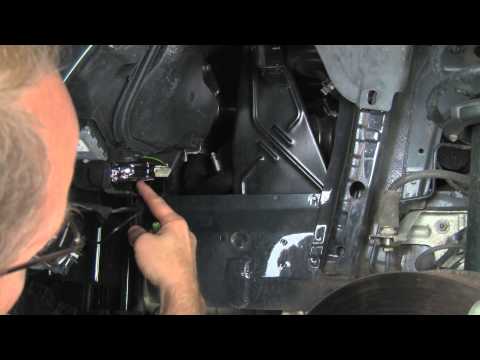
Furthermore, the wiring harnesses in the front of the vehicle are susceptible to pinching or shearing. Because BMW uses specific communication protocols (such as CAN bus or FlexRay), even a small nick in a wire can cause communication faults that disable systems seemingly unrelated to the impact zone.
Does insurance cover these hidden mechanical and electronic issues?
Generally, if the damage is a direct result of the collision, it is covered under a standard collision policy, subject to your deductible. However, there are a few nuances to understand:
- Collision vs. Wear and Tear: Insurance covers "sudden and accidental" damage. If a shop finds a leaking radiator that shows signs of long-term corrosion rather than impact damage, the insurance company may deny that specific part of the claim.
- OEM vs. Aftermarket Parts: Insurance companies are required to return the vehicle to its "pre-loss condition," but they often attempt to use alternative parts to keep costs down. BMW frequently issues position statements recommending the use of Original Equipment Manufacturer (OEM) parts, especially for safety sensors.
- Policy Provisions: You should review your policy to see if you have an "OEM parts endorsement." Without it, the insurance company may only pay for the cost of an aftermarket or recycled part, leaving you to pay the difference if you insist on new BMW parts.
The Digital Repair: Why Diagnostics and Calibration are Mandatory
Once the physical parts are replaced, the repair is not finished. Modern BMWs require two critical electronic steps:
- Pre- and Post-Repair Scans: These are diagnostic tests performed with specialized software. A pre-scan identifies "stored" codes caused by the accident, while a post-scan ensures all systems are clear and communicating correctly after repairs.
- ADAS Calibration: If your X5 has Advanced Driver Assistance Systems (ADAS)—such as adaptive cruise control or lane-keep assist—the sensors in the front bumper must be recalibrated. If a radar sensor is moved even two millimeters during a repair, it may "see" the road incorrectly, potentially leading to ghost braking or system failure.

What should you do if you are filing a claim?
If you are managing a claim for a 2020 BMW X5, follow these steps to ensure a proper repair:
- Choose a Qualified Shop: Ask the facility if they have the diagnostic tools necessary to clear BMW-specific faults and if they follow BMW’s official Repair Instructions (AIR).
- Ask About the Teardown: Ensure the shop plans to remove the bumper and perform a full inspection before finalizing the parts order. This reduces delays later in the process.
- Verify Sensor Mounting: Ask the shop if the sensor brackets and mounting areas were examined for hairline cracks.
- Keep Your Records: Maintain a copy of the final supplement and the diagnostic "health check" or calibration report. These documents are essential for your vehicle's history and for addressing any future "diminished value" claims.
In a modern BMW X5, the expensive parts are almost always the ones you cannot see. Proper inspection, thorough documentation, and a focus on electronic calibration are the only ways to ensure your vehicle is safe to return to the road.
Note: Insurance policies and state laws vary significantly. Always review your specific policy and consult with your insurance carrier or a qualified collision professional regarding your coverage and repair options.



No Comments Yet
Be the first to comment on this article.