Curtis.Castiglione@ROzebra.com
2020 Acura MDX Rear Suspension Collision Repair Guide
By Curtis Castiglione
It is a common scenario: a 2020 Acura MDX slides on ice, "curbs" a wheel while parking, or is clipped by another vehicle in a parking lot. To the naked eye, the damage might look like nothing more than a scuffed rim or a minor scratch on the bumper.
However, behind that wheel lies a complex network of multi-link suspension components. The modern architecture of an Acura MDX is designed to manage high-performance handling and passenger comfort, but it is remarkably sensitive to lateral (side) impacts. What looks like a $200 wheel repair can easily spiral into a multi-thousand-dollar mechanical overhaul.
Does insurance cover suspension damage from a collision?
In most cases, yes. If the damage was caused by a specific, identifiable event—such as hitting a curb to avoid an accident, being struck by another vehicle, or hitting a significant road hazard—it is generally handled under the collision portion of an auto insurance policy.
However, a common hurdle in the claims process is the distinction between collision damage and wear and tear.
- Collision Damage: A control arm that is bent or a hub that is cracked due to an impact.
- Wear and Tear: A wheel bearing that is humming because it has 150,000 miles of use.
Insurance companies are only responsible for returning the vehicle to its "pre-loss condition." If your wheel bearing begins to fail three weeks after a hard impact, it is likely collision-related, but you will need documentation from a professional shop to prove the causality to the insurance company. Policies and state laws vary, so you should review your specific policy or consult with your insurance agent regarding mechanical coverage limits.
Why did my estimate change after the shop started the repair?
If you received an initial estimate from an insurance adjuster, you might be surprised when the body shop calls to tell you the cost has increased significantly. This is due to a process called a supplement.
The initial insurance estimate is often a "visual-only" document. An adjuster cannot see a bent control arm or a hairline crack in a steering knuckle while the car is sitting in a driveway. The true extent of the damage is revealed during two specific stages:
- The Teardown: Removing the wheel and inspecting the bushings, mounting points, and the knuckle for signs of stress or movement.
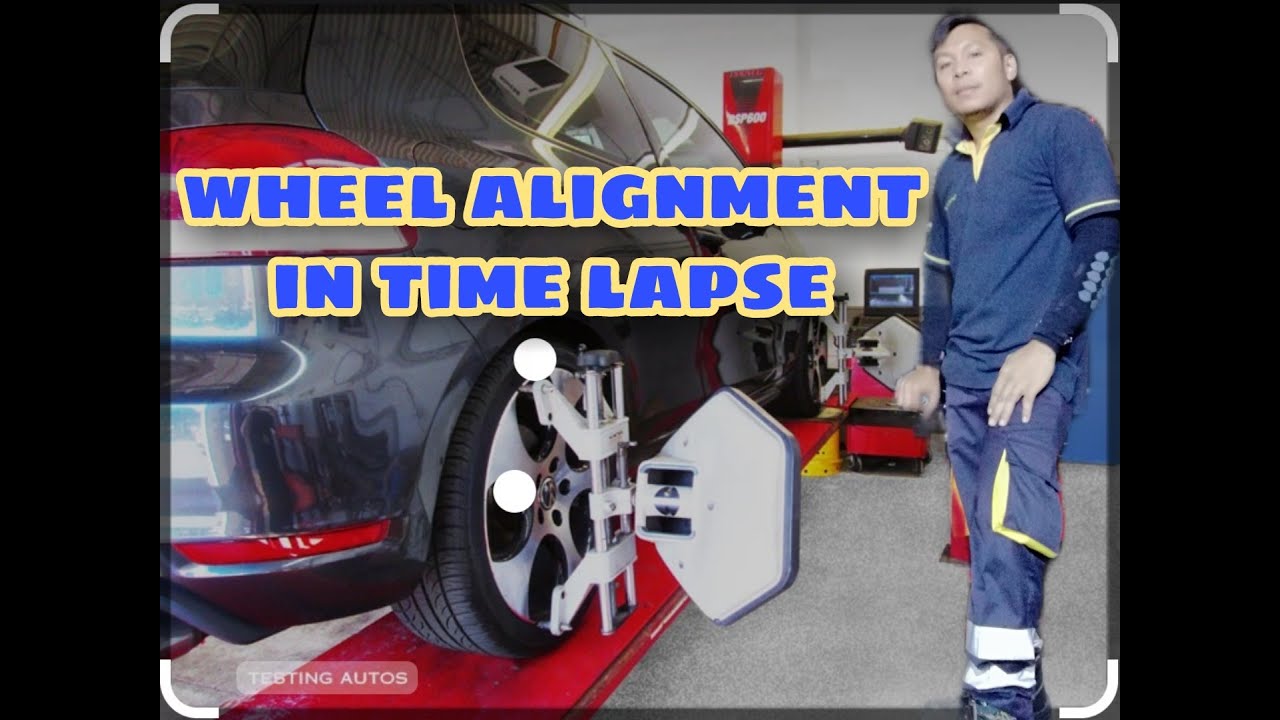
- The Alignment Rack: This is the "smoking gun." If the shop puts the MDX on an alignment rack and finds that the rear toe or camber specifications cannot be met, it is physical proof that a component is bent. At that point, the shop must document these measurements and submit a supplement to the insurance company for additional parts and labor.
The Hidden Complexity of the MDX Rear Suspension
The 2020 MDX utilizes a sophisticated multi-link rear suspension. While this provides a smooth ride, it creates several failure points during a collision that are not immediately obvious.
1. The "Sacrificial" Control Arms
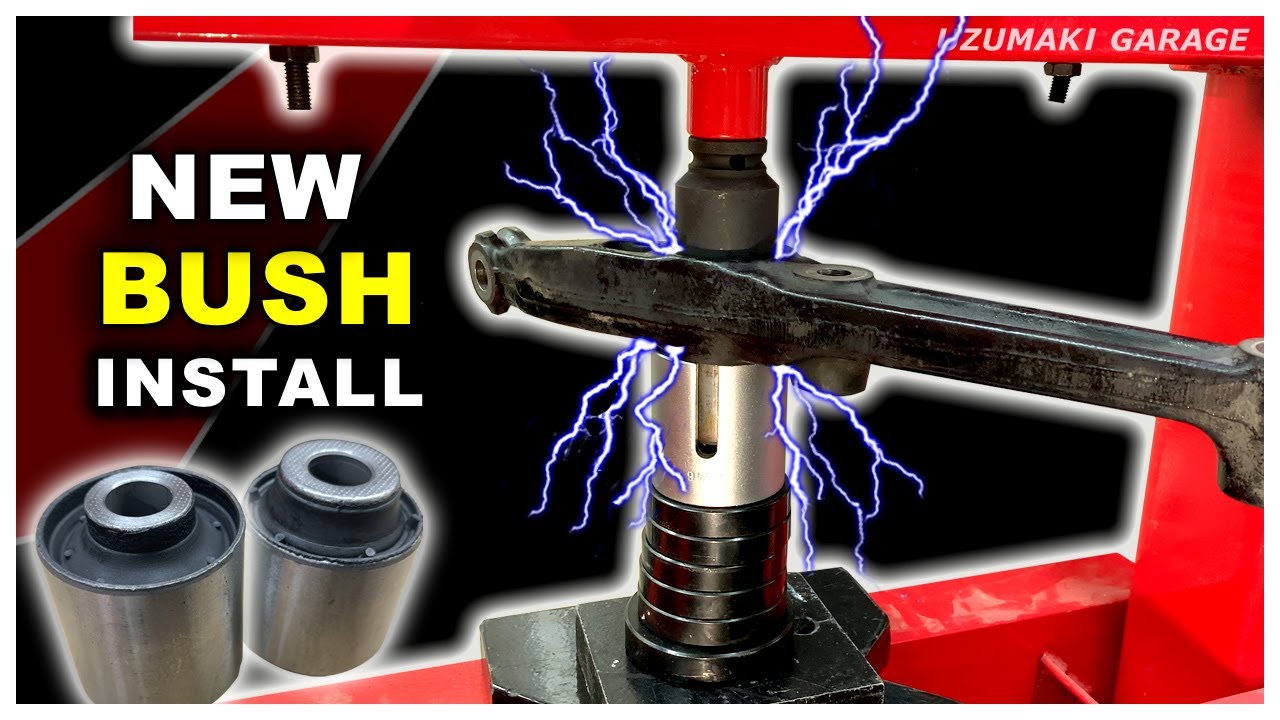
Control arms are often engineered to be the sacrificial lambs of the suspension. Usually made of high-strength steel or aluminum, they are designed to bend under extreme force. This "give" is intended to protect the more expensive frame mounting points and the vehicle's subframe. A bend of just two or three millimeters—virtually invisible to the eye—is enough to ruin the vehicle’s handling and cause rapid, uneven tire wear.
2. The Knuckle and Hub Assembly
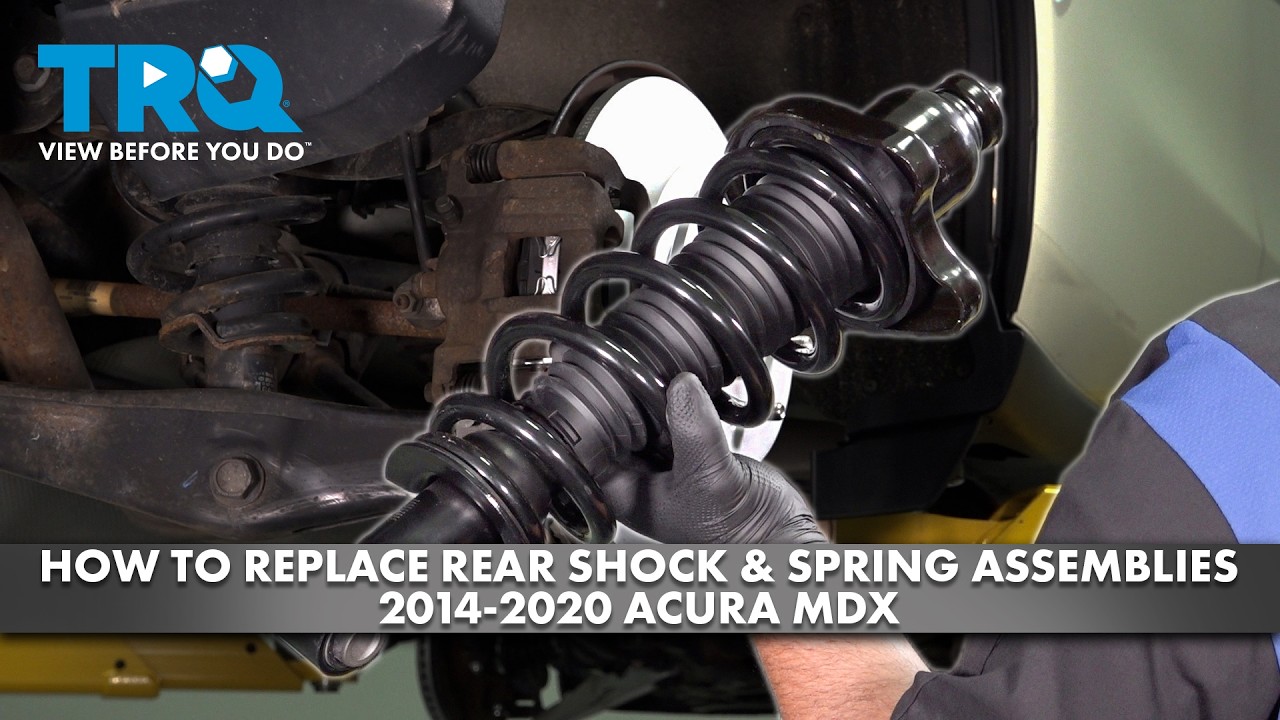
The knuckle is a heavy, cast component that holds the wheel bearing and hub. Because it is cast, it does not always bend; it may crack or distort slightly. Furthermore, impact energy travels through the hub directly into the wheel bearing. Even if the bearing is silent immediately after the accident, the internal races may have been "brinelled" (dented by the ball bearings). This often leads to a loud humming noise or total bearing failure several hundred miles later.

3. ADAS and Safety System Calibration
The 2020 MDX is packed with Advanced Driver Assistance Systems (ADAS). These systems, including Lane Keeping Assist (LKAS) and Blind Spot Information, rely on the vehicle's wheels being perfectly aligned.
- If the rear suspension is off-center, the vehicle may "dog-track," meaning the rear end does not follow the front end in a straight line.
- This misalignment can confuse the vehicle’s cameras and radar sensors.
- A proper repair requires not just a mechanical fix, but a four-wheel alignment followed by an electronic calibration of these safety systems.
What should I do if my insurance company only wants to pay for an alignment?
This is a frequent point of contention. Many insurance guidelines suggest that a shop should attempt to align the vehicle before replacing parts.
As a vehicle owner, you should insist on a printout of the "before" and "after" alignment measurements. If the measurements remain outside of Acura’s factory specifications after the technician has exhausted all adjustment points, you have the evidence needed to demand component replacement. Do not allow a shop to "file out" or "slot" a mounting hole to make an alignment work; this compromises the structural integrity of the part and is generally not an approved repair method for this vehicle.
Can I choose to use OEM parts for my suspension?
Whether your insurance pays for Original Equipment Manufacturer (OEM) parts versus aftermarket or recycled (used) parts depends on your specific policy language and state laws.
However, suspension components are safety-critical items. Many technicians prefer OEM parts for the MDX because the metallurgy and bushing stiffness are guaranteed to match the original safety engineering. If an insurance company insists on an aftermarket control arm, but that arm prevents the vehicle from reaching factory alignment specs, the shop should document the failure and request the OEM part to ensure a proper repair.
Practical Steps: Reviewing Your Estimate
When you receive a repair estimate for a rear-wheel impact, look for these specific line items to ensure a complete repair:
- Four-Wheel Alignment: Essential for any suspension impact to verify geometry.
- Pre- and Post-Repair System Scans: To check for hidden "soft codes" in the vehicle's computer systems.
- ADAS Calibration: Necessary if the alignment or suspension geometry was altered to ensure safety sensors are aimed correctly.
- Wheel Bearing/Hub Inspection: Documentation on whether the bearing was checked for noise or lateral runout.
The Bottom Line: A rear suspension impact on a 2020 Acura MDX is rarely just a minor cosmetic issue. Because the vehicle relies on precise geometry for both mechanical safety and electronic stability, cutting corners can lead to long-term tire damage and compromised safety systems. Always consult with a repair professional who understands that the most significant damage is often the damage you cannot see.



No Comments Yet
Be the first to comment on this article.