Curtis.Castiglione@ROzebra.com
2019 Volkswagen Atlas: Front-Wheel Impact and Mechanical Repair Guide
If you have ever hit a curb or been involved in a side-impact collision in a 2019 Volkswagen Atlas, you might be surprised by the complexity of the resulting repair estimate. On the surface, you might only see a scraped wheel or a blown tire. However, the architecture of a modern SUV like the Atlas is designed to transfer impact energy through the suspension to protect the cabin. This means a hit to the wheel rarely stops at the wheel.
For vehicle owners, understanding the relationship between the impact, the mechanical components, and the insurance claim process is vital to ensuring the vehicle is returned to a safe operating condition.
Does insurance cover mechanical damage from a wheel impact?
The short answer is usually yes. If the damage is the result of a sudden, accidental event—such as a collision with another vehicle, a deep pothole, or a curb—it is generally covered under the collision portion of an insurance policy.
However, a common point of friction arises because insurance companies typically only pay for what can be proven at the time of the inspection. If an insurance adjuster looks at your Atlas and only sees a damaged rim, their initial estimate will reflect only a wheel replacement and a wheel alignment. As a vehicle owner, you should be prepared for the supplement process, where the repair shop identifies further damage once the vehicle is disassembled.
Why an alignment isn't a complete repair plan
One of the most frequent questions owners ask is: Why did my repair cost increase after the car was already at the shop? The answer lies in the difference between an alignment and a structural inspection.
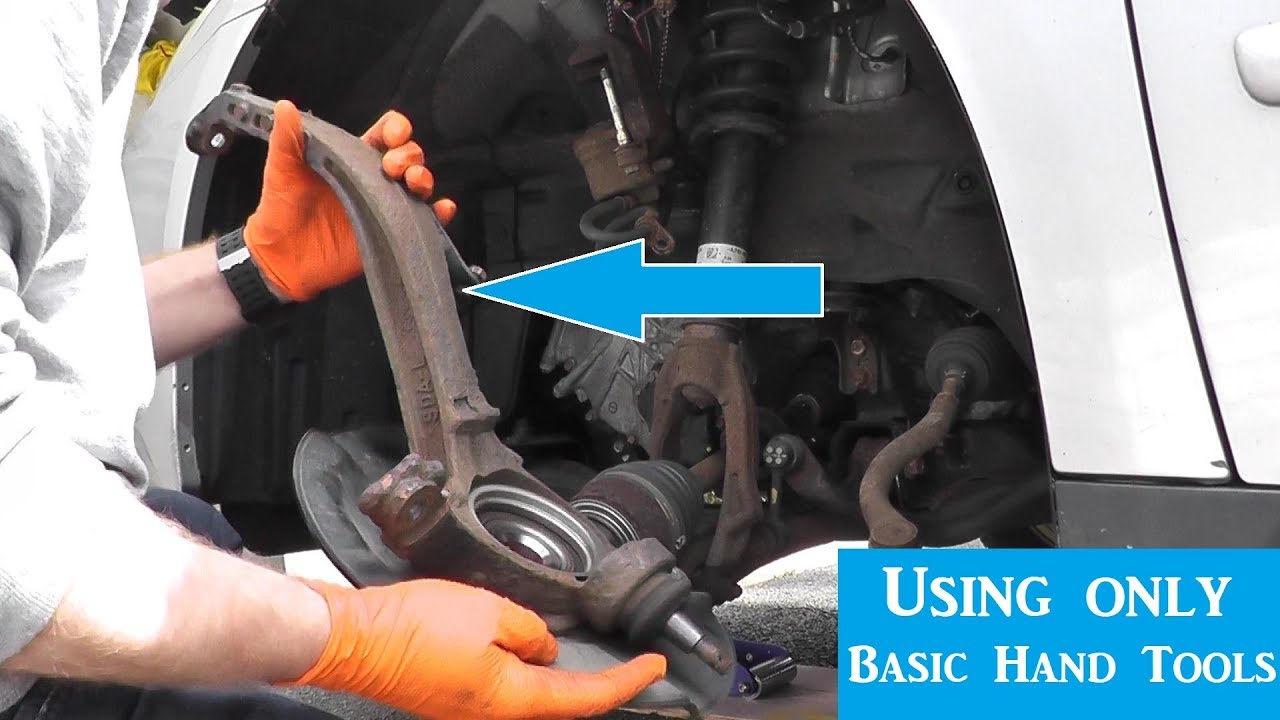
An alignment is a measurement of where the wheels are pointing. While it can tell a technician that the camber, caster, or toe is out of specification, an alignment cannot fix a bent part. On a 2019 Volkswagen Atlas, components are engineered with incredibly tight tolerances. You cannot simply align away a bent steering knuckle or a distorted control arm. If a component is physically compromised, it must be replaced to restore the vehicle's geometry and safety specifications.

Critical components to inspect after impact
When force is transferred from the wheel into the chassis, several hidden components can suffer damage that isn't visible to the naked eye. A professional inspection should include:
- Steering Knuckle: This is the heart of the front suspension. It holds the wheel hub and provides the mounting point for the brakes and struts. Even a few millimeters of distortion can ruin the vehicle's handling.
- Wheel Hub and Bearing: The impact can flat-spot the internal bearings, leading to a humming noise or vibration weeks after the repair is finished.
- Control Arms and Tie Rods: These maintain the wheel's position. If they are bent, the vehicle may pull to one side or cause rapid tire wear.
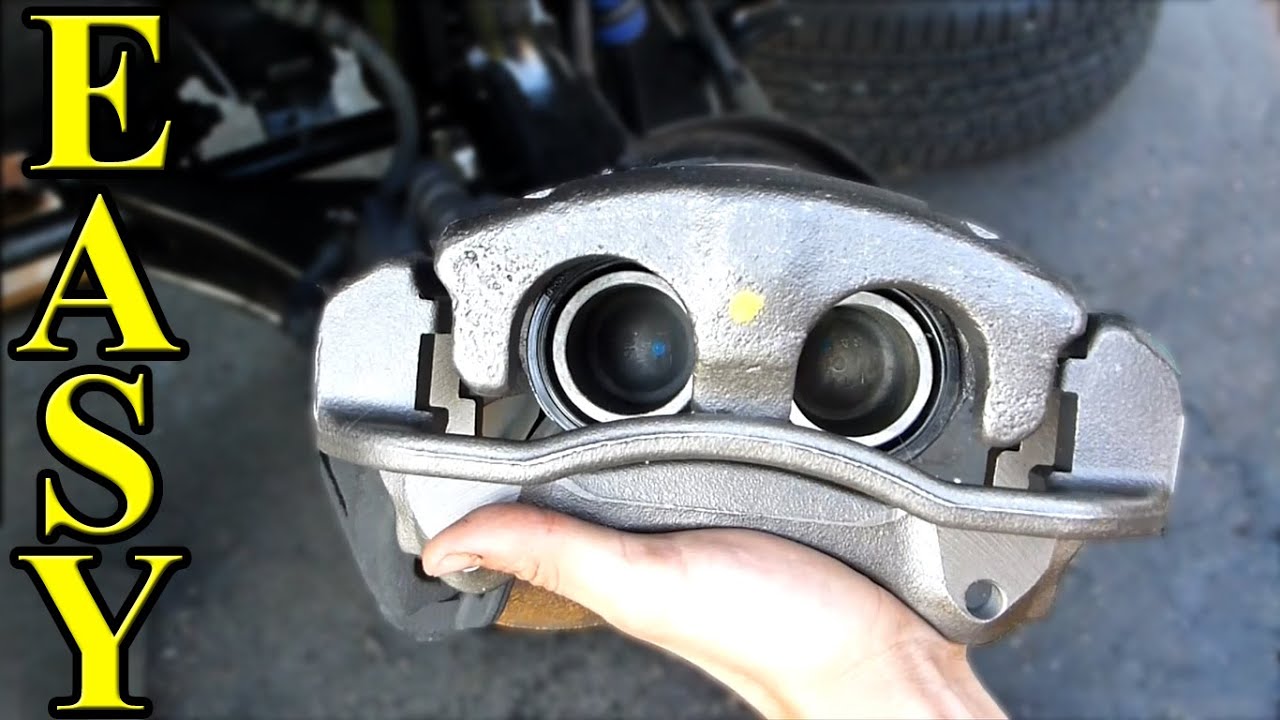
- Brake Rotor and Caliper Mounting: Because the brake caliper mounts directly to the steering knuckle, a bent knuckle means the caliper may no longer sit square over the rotor. This leads to uneven pad wear and reduced braking efficiency.
- ABS Sensor and Wiring: Modern VWs rely on ABS sensors to feed data to the Engine Control Module and ADAS systems. A stretched wire or cracked sensor can disable your traction control.
The Role of ADAS and Modern Technology
The 2019 Atlas is equipped with advanced technology, including Front Assist and Lane Assist. These systems rely on the suspension being perfectly square. If the mechanical components are not replaced and the shop attempts to force an alignment to look good on paper, the cameras and radar sensors may not function correctly. Following a significant wheel impact, a diagnostic scan is essential to ensure the electronic brain of the car isn't recording faults from the wheel-end sensors.
Understanding the insurance supplement process
If your insurance company provided an initial estimate that seems too low, it is usually because they are waiting for the shop to provide proof of hidden damage. This is the supplement process:
- Teardown: The shop removes the wheel and tire to access the suspension.
- Documentation: The technician uses a diagnostic alignment rack or specialized measuring tools to prove a part is performing outside of Volkswagen’s allowable limits.
- The Supplement: The shop submits these findings, photos, and measurements to the insurance company.
- Approval: The insurance company reviews the evidence and issues an additional payment for the necessary mechanical parts and labor.
OEM vs. Aftermarket Parts
When it comes to the 2019 Atlas, part choice matters. Suspension components are often made of specific aluminum alloys or high-strength steel designed to deform in specific ways during a crash.
While some insurance policies allow for Like Kind and Quality (LKQ/Used) or aftermarket parts, you should consult with your repair facility. For critical safety items like steering knuckles and hubs, many technicians recommend New Original Equipment Manufacturer (OEM) parts to guarantee the metal's integrity and exact fitment. Review your policy to see if you have an OEM Parts endorsement, as this can affect who pays the difference in part costs.
What should I do if I suspect hidden damage?
If your vehicle doesn't feel right after an accident—if there is a new vibration, a pull, or a dashboard warning light—do not authorize the final repair until a mechanical inspection is performed.
Ask your shop these specific questions:
- Did you inspect the steering knuckle and wheel hub for cracks or distortion, or did you only perform a visual check?
- Was the brake rotor checked for runout (wobble) resulting from the hub impact?
- Did the impact affect the ABS wiring or any ADAS calibrations?
- Can I see the Before and After alignment printout?
The Bottom Line
Repairing a 2019 Volkswagen Atlas after a wheel impact requires more than a new tire and a quick wash. It requires a systematic approach to identifying mechanical strain. By ensuring your shop documents every measurement and communicates clearly with your insurance provider, you can protect both your vehicle’s resale value and, more importantly, your safety on the road.
Note: Insurance coverage and state laws vary significantly. Always review your specific policy and consult with a qualified repair professional or insurance representative regarding your claim.



No Comments Yet
Be the first to comment on this article.