Curtis.Castiglione@ROzebra.com

2019 Volkswagen Atlas Front-End Collision Repair Costs
If you own a 2019 Volkswagen Atlas and were recently involved in a front-end collision, you might be surprised or even frustrated when your initial insurance estimate doubles or triples in cost once the vehicle arrives at the body shop.
It is a common scenario: the insurance adjuster writes a visual estimate in your driveway for 1,500 dollars, but two days later, the repair facility calls to say the total is now 5,000 dollars. From an automotive repair perspective, this is not usually a sign of a dishonest shop. Rather, it is a reflection of how modern, technologically dense SUVs like the Atlas are engineered.
Here is a look at what happens behind the scenes during a teardown and why those hidden components drive up repair costs.
The Bumper Skin Illusion
On a 2019 Volkswagen Atlas, the front bumper is not actually a bumper in the traditional sense. It is a bumper cover—a thin, decorative plastic skin designed for aerodynamics and aesthetics. Its primary job is to hide the complex mechanical, cooling, and safety systems tucked tightly behind it.
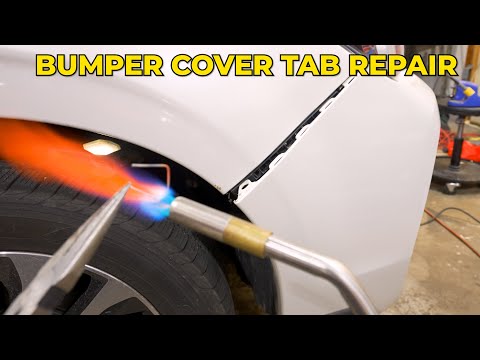
When a shop begins the teardown or blueprinting process, they remove this plastic skin to inspect the underlying structure. Because the Atlas features a short front overhang, there is very little crush space between the grille and the expensive mechanical components.
Hidden Damage: The Cooling System Stack
The cooling system is one of the most vulnerable areas in a front-end impact. The Atlas typically utilizes a cooling stack consisting of:
- The A/C Condenser: The first layer, which is easily bent or punctured.
- The Radiator: Responsible for engine cooling; even a slight shift in the front-end structure can crack the plastic side tanks.
- The Intercooler: If your Atlas has the 2.0T engine, this additional component is also located in the impact zone.
- The Radiator Support: This is the composite or metal frame that holds everything in place. If this support is cracked or tweaked by even a few millimeters, the cooling fans may rub, or the hood latch may not align properly.

Why it matters: A hairline fracture in a plastic radiator tank might not leak while the car is idling in your driveway, but it will likely fail under the heat and pressure of highway driving. Replacing these components requires cooling system pressure tests and specific coolant vacuum-filling procedures.
LED Headlights and Broken Tabs
The 2019 Atlas often features advanced LED headlight assemblies. These units are extremely expensive—frequently costing well over 1,000 dollars per side.

During a collision, the headlight housing itself might look perfectly fine on the outside, but the plastic mounting tabs that bolt it to the frame are designed to break away to absorb energy. Once those tabs are snapped, the entire housing usually needs to be replaced to ensure the beam is aimed correctly and the light does not vibrate while driving.
The Digital Front End: Sensors and ADAS
Modern Volkswagens are equipped with Advanced Driver Assistance Systems (ADAS). Your Atlas likely has:
- Parking Sensors: Small circular sensors embedded in the bumper.
- Radar Sensor: Often located behind the VW emblem or in the lower grille, this controls Adaptive Cruise Control (ACC) and Front Assist.
- Wiring Harnesses: Collision forces can pinch or stretch the thin wires that connect these sensors.
The Hidden Cost of Calibration
One of the most frequent reasons for an estimate increase is Post-Repair Calibration. If the radar sensor is removed, or if the structural points it mounts to are moved during a repair, the system must be recalibrated using specialized diagnostic tools. This is a safety-critical labor operation that ensures your automatic emergency braking functions correctly.

Understanding the Supplement Process
When the shop finds damage that was not on the initial estimate, they submit a supplement to the insurance company. This is a standard request for additional funds to cover the parts and labor discovered during teardown.
- Insurance Coverage: Generally, if the damage is a direct result of the accident, the insurance company will pay for the supplement, minus your deductible.
- Customer Responsibility: Insurance typically does not cover wear and tear. If the shop finds a pre-existing oil leak or a worn-out belt while they are in there, those repairs are your financial responsibility.
Parts: OEM vs. Aftermarket
The type of parts used can significantly affect the final bill.
- OEM (Original Equipment Manufacturer): Parts made by Volkswagen. These are often required for complex items like sensors and structural supports to ensure proper fit and safety system performance.
- Aftermarket or LKQ (Like Kind and Quality): Insurance policies often allow for non-VW parts or recycled parts from a salvage yard to keep costs down.
You should review your policy and talk to your shop about which parts are being used. Some VW repair procedures specifically recommend OEM parts to ensure the ADAS systems can be calibrated successfully.
What Should You Do?
If your repair estimate is climbing, do not panic, but do stay informed. Ask your repair facility the following questions:
- Can you show me the blueprinting photos of the hidden damage? (Reputable shops document everything for the insurer).
- Are there any fault codes in the computer related to the sensors or headlights?
- Does the radiator support need to be replaced or measured for squareness?
- Is a post-repair diagnostic scan and ADAS calibration included in this new total?
A Common Mistake: Many owners assume that if the car is drivable, the damage is minor. However, driving an Atlas with a tweaked cooling system or a misaligned radar sensor can lead to engine overheating or a failure of the safety systems. Always wait for a professional teardown before assuming the final cost of the repair.
Written by Curtis Castiglione
The information provided is for educational purposes. Insurance policies and state laws vary; always consult your policy and a qualified repair professional for your specific situation.



No Comments Yet
Be the first to comment on this article.