Curtis.Castiglione@ROzebra.com

2019 Volkswagen Atlas Front-Corner Collision Repair Guide
A front-corner collision in a 2019 Volkswagen Atlas often presents a deceptive picture. What looks like a simple dented fender and a scuffed bumper cover is frequently the tip of a very expensive iceberg. Because the Atlas is a modern SUV designed with tight packaging and integrated safety technology, the energy from a collision travels far beyond the point of impact.
If you are navigating an insurance claim for this vehicle, understanding the relationship between the visible body damage and the mechanical systems underneath is critical to ensuring your vehicle is returned to a safe, roadworthy condition.

Does Insurance Cover the Mechanical and Suspension Damage Found After the Initial Estimate?
The short answer is yes, provided the damage is a direct result of the accident. However, there is a significant difference between an insurance company’s initial estimate and the final repair bill.
Most insurance adjusters perform a visual inspection while the vehicle is still assembled. They write an estimate for what they can see—usually the bumper cover, a headlight, or a fender. Once the vehicle arrives at a collision center and the teardown (disassembly) begins, technicians often find hidden damage.
This leads to an insurance supplement. A supplement is a request sent by the repair facility to the insurance company for additional funds to cover repairs that were not visible during the first look. This is a standard part of the collision repair process, but it is the primary reason why your initial estimate may double or triple in cost after the car is already in the shop.
The Hidden Complexity of the Volkswagen Atlas Front Corner
The front corner of the Atlas is a high-traffic area for mechanical, cooling, and electronic systems. There are three critical zones that require professional inspection:
1. The Cooling Module and Brittle Supports
The radiator, A/C condenser, and cooling fans in the Atlas are housed in a complex cooling stack held together by a plastic radiator support.
- The Problem: While the radiator itself might not be leaking, the plastic mounting tabs are notoriously brittle.
- The Risk: A cracked mounting point allows the cooling module to vibrate or shift. Over time, this movement can cause the radiator to rub against other components, leading to a catastrophic coolant leak weeks after you get the car back.
- What to Look For: Technicians look for witness marks—small scuffs or cracks that indicate the cooling components moved during impact and sprang back into place.
2. Suspension and Steering Geometry
The Atlas utilizes a MacPherson strut front suspension. In a corner impact, the wheel often takes the brunt of the force.

- The Problem: Even a low-speed curb-check or a side-swipe to the wheel can bend a steering knuckle, control arm, or strut.
- The Risk: These components are often made of high-strength materials that do not show obvious bends to the naked eye. If the geometry is off by even a few millimeters, the vehicle will never align properly, leading to premature tire wear and compromised handling in an emergency.
- The Requirement: A professional repair should always include a pre-alignment diagnostic scan to verify that the suspension is straight before the bodywork is finalized.
3. ADAS Sensors and the Wheel-Well Liner
The plastic liner inside your wheel well does more than deflect mud; it acts as a shield for the nervous system of the car.
- The Problem: The 2019 Atlas is equipped with Advanced Driver Assistance Systems (ADAS), such as parking sensors and front-collision radar. The wiring harnesses for these systems often run directly behind the fender and wheel liner.
- The Risk: If the liner is pushed into the tire, it can melt or tear, exposing sensitive wiring. Furthermore, any impact to the front corner can jar the sensors out of calibration.
- The Requirement: After the physical repairs are done, the vehicle’s computer must be scanned, and the ADAS systems must be digitally calibrated to ensure the car sees the road accurately.
Why Did My Estimate Change After the Car Was Already in the Shop?
It is common for an estimate to change because a visual inspection cannot account for stored energy or internal fractures. Modern vehicles use a mix of materials—such as high-strength steel in the frame and plastic composites in the front end—that behave differently under stress.
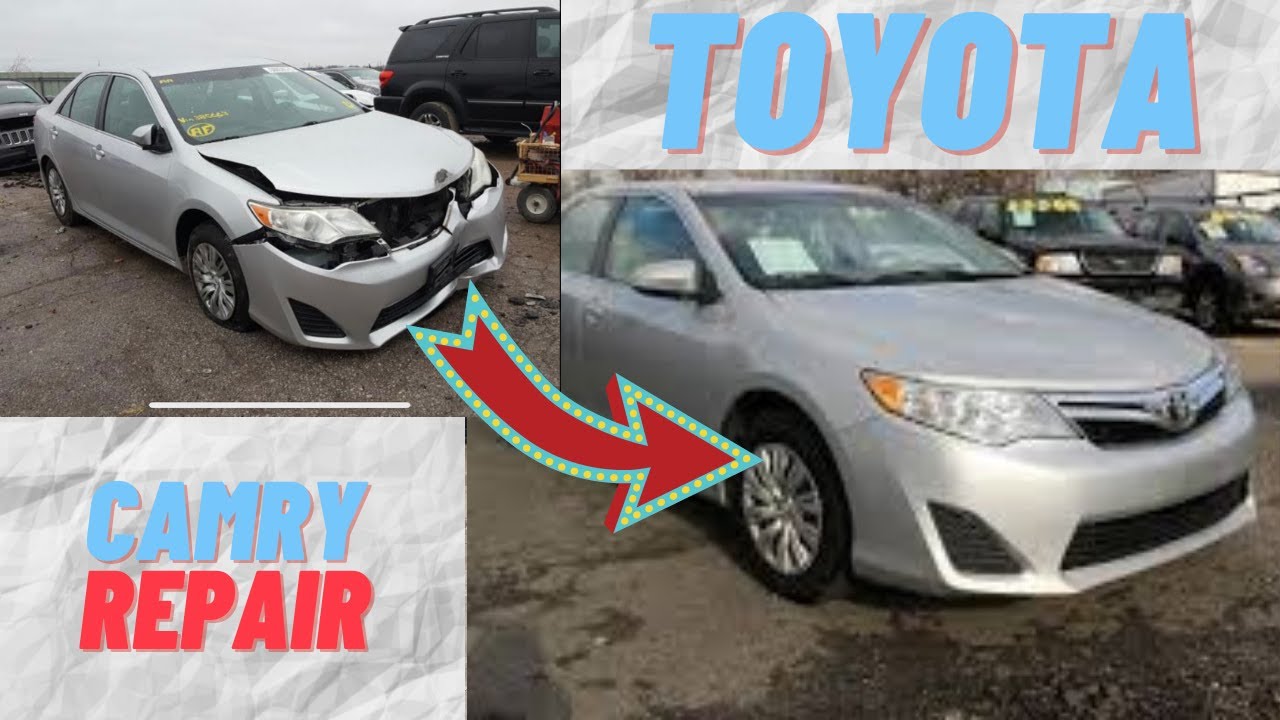
A technician must perform a full teardown to inspect the apron (the internal metal structure the fender bolts to) and the frame rail. If these structural components have moved, the vehicle must be placed on a specialized frame rack for precision measuring. These are labor operations that simply cannot be accounted for until the outer skin of the car is removed.
Understanding Parts: OEM vs. Aftermarket
During the supplement process, you may see a debate over part types:
- OEM (Original Equipment Manufacturer): Parts made by Volkswagen.
- Aftermarket: Parts made by a third party.
- Recycled: Used parts from a salvage vehicle.
Your insurance policy language and state laws dictate which parts the insurance company is required to pay for. While you can often request OEM parts, you may be responsible for the price difference if your policy specifies aftermarket alternatives. For safety-critical items like suspension components and ADAS sensors, many shops strongly recommend OEM to ensure factory-spec performance.
What Should I Do After a Front-Corner Collision?
If you are researching a recent accident involving your Atlas, follow these practical steps:
- Do Not Assume Driveability: If the tire is rubbing against the wheel-well liner, do not drive the car. It can cause a tire blowout or a fire from friction.
- Demand a Post-Repair Scan: Ensure the shop provides a report showing that all electronic modules and safety sensors are cleared of fault codes and properly calibrated.
- Review the Alignment Sheet: Ask for the before and after printout of the wheel alignment. This is your proof that the hidden suspension components are straight.
- Inquire About Diminished Value: Because a front-corner hit often involves mechanical and structural supplements, the vehicle’s resale value may be affected. Depending on your state and who was at fault, you may be able to file a claim for diminished value.
- Consult Your Policy: If there is a disagreement over the repair method or part types, read your policy carefully and speak with your claims adjuster. Every policy is a legal contract with specific rules for how repairs are funded.
Repairing a 2019 Volkswagen Atlas requires a balance of traditional bodywork and high-tech mechanical diagnosis. By understanding that the bumper is just the first layer of a complex system, you can better navigate the claim process and ensure your SUV is truly restored to its pre-accident safety standards.



No Comments Yet
Be the first to comment on this article.