Curtis.Castiglione@ROzebra.com
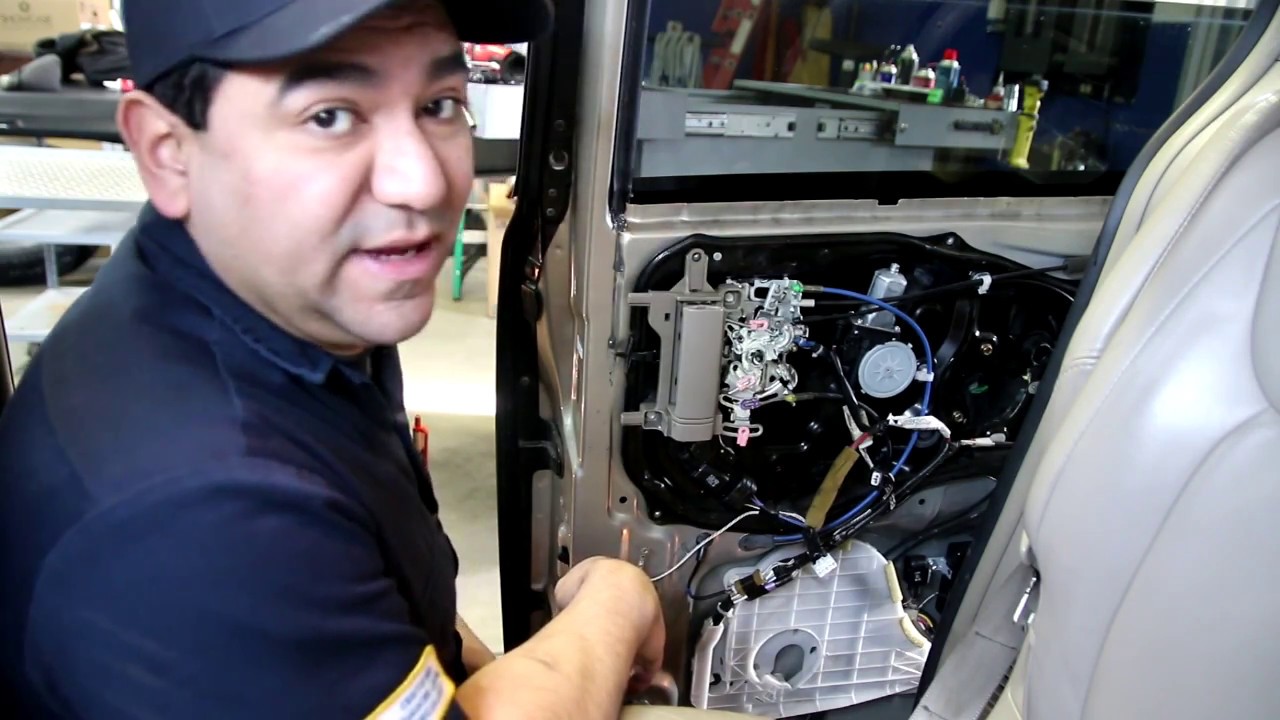
2019 Toyota Sienna Sliding Door Repair Guide
When a 2019 Toyota Sienna is involved in a side-impact collision, owners are often blindsided by the repair costs. What looks like a simple dent on a large sliding door can quickly escalate into a multi-thousand-dollar repair. The reason for the high cost is simple but often overlooked: a sliding door is not just a body panel; it is a complex, motorized machine that operates on a precision track system.
If you are researching why your insurance estimate has changed or why your shop is calling for specialized mechanical work, this guide explains the relationship between the collision, the hidden mechanical components, and the insurance claim process.
The Difference Between Visible and Hidden Damage
It is common for a Sienna repair to start at 1,500 dollars on a preliminary insurance estimate and end at 6,000 dollars or more. This occurs because of the teardown and supplement process.
- The Preliminary Estimate: Insurance adjusters often write estimates based on visible damage only. This usually includes the outer door skin and paint.
- The Teardown: A professional repair facility will remove the interior trim, the door itself, and the sliding tracks to inspect the bones of the system.
- The Supplement: This is an additional claim submitted to the insurance company once hidden damage—such as bent track mounts, stretched wiring harnesses, or cracked rollers—is documented with photographs.

Mechanical Diagnosis vs. Guesswork
One of the most frequent complaints after a side impact is a power sliding door that reverses or binds when trying to close. This is a safety feature; the van uses sensors to detect resistance to prevent the door from closing on a passenger. If the impact shifted the track or the body opening by even a few millimeters, the door will detect that friction as an obstruction and stop.
What happens during inspection:
- System Faults: Technicians must determine if the door fails to close due to a mechanical obstruction (a bent track) or an electrical fault (a pinched wire or damaged sensor).
- Motor Replacement: A motor should never be assumed to be bad just because the door won't move. A qualified shop will perform a diagnostic scan to confirm the motor has failed before asking your insurance company to pay for a replacement.
- Wiring and Connectors: Side impacts often crush the flexible wiring harnesses that feed power to the door. Replacing these requires significant labor to route them through the body and door structure.

The Critical Role of the Body Opening
The sliding door sits within a large structural opening consisting of the B-pillar (between the front and rear doors), the rocker panel (the door sill), and the quarter panel. If the impact reached these areas, the frame of the door opening might be deformed.
Even a brand-new door will not function correctly if the rocker panel or pillar it latches to is out of alignment. Repairing these structural components involves high-strength steel and Toyota-specific welding procedures. If these are ignored, you may experience:
- Wind noise and water leaks.
- Rattling while driving.
- The door failing to latch securely during a second accident.
Insurance Coverage: OEM, Recycled, and Aftermarket Parts
Your insurance policy dictates which parts are used for the repair, but the type of part matters significantly for a sliding door.
- OEM (Original Equipment Manufacturer): New parts from Toyota. These are usually preferred for precision mechanical items like rollers and motors.
- Recycled (Used): A used door shell can be a high-quality, cost-effective option, provided it is rust-free. However, high-wear items like motors and rollers from a donor van may already be near the end of their life.
- Aftermarket: These are third-party parts. While often cheaper, they may not always meet the exact tolerances required for the Sienna’s complex power-sliding system.
Note: Review your specific policy or consult your agent to see if you have an OEM Parts endorsement.
The Hidden Cost of Technology (ADAS)
Modern 2019 Siennas are equipped with sensors that go beyond the sliding door. Depending on the trim level, your van may have Blind Spot Monitoring (BSM) sensors located in the rear quarter panel near the door track.
If these sensors are moved or if the quarter panel requires repair, the vehicle will likely require a post-repair calibration. This ensures the sensors are aimed correctly. This requires specialized diagnostic tools and labor, which adds to the final bill but is essential for your family's safety.
What Should You Do If Your Sienna Is Damaged?
- Request a Pre-Repair Scan: Ask the shop to scan the vehicle’s computers to document any electrical codes caused by the accident.
- Verify Structural Inspection: If the rocker panel or pillar was hit, ask the shop if they have measured the body opening against Toyota's factory specifications.
- Test the Repair Before Acceptance: Before driving away, operate the door several times in both manual and power modes. Check if it glides smoothly, if the gaps between the door and the body are even, and if the power auto-reverse function works correctly.
- Check for Supplements: If the final bill is much higher than the first estimate, ask for the supplement paperwork to see what hidden damage was discovered during the teardown.
Common Questions
Does insurance cover a rental while my van is being fixed? This depends on your policy’s Rental Reimbursement coverage. Because sliding door parts can sometimes be backordered, repairs may take longer than a standard sedan.
Can I choose my own repair shop? In most states, you have the legal right to choose the facility that repairs your vehicle.
Who pays for the mechanical diagnosis? If the mechanical failure is a direct result of the accident, it is generally covered by the insurance claim, subject to your deductible.
Disclaimer: Insurance policies and state laws vary. This article is for informational purposes and does not guarantee coverage or legal conclusions. Always consult with your insurance provider and a qualified collision professional regarding your specific claim.



No Comments Yet
Be the first to comment on this article.