Curtis.Castiglione@ROzebra.com

2019 Toyota RAV4 Front-End Collision & Insurance Guide
If you have been involved in a front-end collision with a 2019 Toyota RAV4, the damage you see on the surface rarely tells the whole story. While a modern SUV like the RAV4 is designed to absorb impact to protect passengers, the components located directly behind the front bumper cover are fragile and technologically complex. This often leads to a common point of frustration for vehicle owners: the initial insurance estimate is significantly lower than the final repair bill.
Understanding the relationship between the physical impact, the mechanical cooling system, and the insurance claim process is essential before you authorize repairs.
Why did my repair estimate increase after the shop took the bumper off?
Most initial insurance inspections are visual or preliminary. An adjuster or appraiser examines the car while it is still assembled. On a 2019 RAV4, the plastic bumper cover is flexible; it can take a hit, deform, and then pop back into its original shape. However, the components behind it—the radiator, A/C condenser, and cooling fans—are made of thin aluminum and plastic. They do not pop back.
When the repair facility performs a teardown, they remove the bumper cover and grille to expose the cooling package. It is common to find a bowed condenser or a radiator support that has hairline cracks. Because these parts are vital to the engine's health and the A/C system's functionality, they must be replaced if they are deformed.
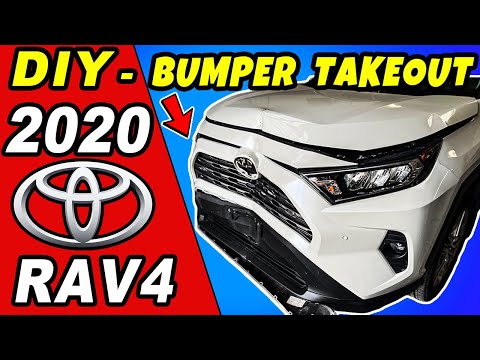
The shop then submits a supplement to the insurance company. A supplement is simply a request for additional funds based on damage that was hidden during the first look. This is a standard part of the collision repair process, especially for vehicles with complex front-end assemblies.
The Importance of the Cooling Package and Front-End Wiring
In a 2019 RAV4, the cooling package is a sandwich of components. The A/C condenser is usually the first part behind the grille, followed by the radiator and the cooling fan assembly. Even a low-speed impact can push the condenser into the radiator.
- Condenser Damage: A bent condenser might still hold refrigerant for a few days or weeks, but the stress on the aluminum tubes eventually leads to a leak, causing your air conditioning to fail.
- Radiator Integrity: A radiator with a small stress crack might not leak until the engine reaches full operating temperature and the cooling system becomes pressurized.
- Active Grille Shutters: Modern RAV4s are equipped with motorized slats that open and close to improve aerodynamics. If the plastic frame of this shutter system is cracked, or if the wiring harness is pinched, it can trigger a check engine light or a System Malfunction warning on your dashboard.
Owners should specifically ask whether the radiator and condenser were inspected for collision damage and whether the front-end wiring was checked for pinches or abrasions.
The Role of Sensors and ADAS Calibration
The 2019 Toyota RAV4 features Toyota Safety Sense, which includes a radar sensor often located behind the front Toyota emblem and a camera mounted near the rearview mirror. A front-end hit that moves the radiator support—even by a few millimeters—can throw these sensors out of alignment.
Insurance companies may initially overlook the need for calibration. However, if a radar sensor is disturbed or if the structural support it sits on is replaced, the vehicle must undergo a calibration procedure. This is a specialized labor operation where the technician uses targets and diagnostic software to ensure the vehicle’s Pre-Collision System and Dynamic Radar Cruise Control are functioning accurately. This is a safety-critical mechanical repair, not just an aesthetic body repair.
Parts Quality: OEM vs. Aftermarket
One of the most frequent disagreements in collision repair involves the type of parts used. Many insurance policies contain provisions that allow the use of Like Kind and Quality (LKQ) recycled parts or Aftermarket (non-OEM) parts to save costs.
For a 2019 RAV4, using an aftermarket radiator or condenser can sometimes be problematic if the fitment is not exact. If the brackets do not line up perfectly, the cooling fans may rub against the radiator, eventually causing a leak. You should review your insurance policy to see if you have an OEM Parts Choice endorsement or if you are responsible for the price difference if you insist on original Toyota components.
What should I do if I am worried about hidden damage?
If you are navigating a claim for a front-end impact, follow these practical steps to ensure a thorough repair:
- Request a Pre-Repair Scan: Ensure the repair facility performs a pre-repair diagnostic scan. This identifies any soft codes or electronic faults that may have been triggered by the collision, even if no dash lights are on.
- Request Photos of the Teardown: Ask the shop for photos of the vehicle once the bumper has been removed. Seeing a bent radiator or a pinched wire harness makes it much easier to understand why the repair cost has increased.
- Check the Radiator Support: Verify that the shop is checking the structural integrity of the radiator support. On many modern vehicles, this support is a bolt-on assembly made of plastic or composite materials. If it is cracked, it cannot be safely glued; it must be replaced to properly support the cooling package and maintain the alignment of the headlights and sensors.
Understanding Responsibility and Coverage
While insurance typically covers the cost of repairing damage caused by a covered loss, they generally do not cover prior damage or mechanical wear and tear that existed before the accident. If your radiator was already leaking due to old age or corrosion before the accident, the insurance company may depreciate the part or deny that portion of the claim.
Always remember that the contract for repairs is between you and the repair shop, while the insurance policy is a contract between you and your insurer. You have the right to choose your repair facility in most states, but you should also be aware that if a shop’s labor rates are significantly higher than the market rate determined by the insurance company, you might be responsible for the difference.
If you are unsure about the safety or thoroughness of an estimate, consult with a qualified collision professional who can explain the Toyota-specific repair procedures required to return your RAV4 to its pre-accident condition. Document everything and do not be afraid to ask why a specific labor operation, like a wheel alignment or sensor calibration, is necessary following a front-end hit.



No Comments Yet
Be the first to comment on this article.