Curtis.Castiglione@ROzebra.com
2019 Subaru Forester Repair Estimates & ADAS Calibration
If you own a 2019 Subaru Forester and have recently been involved in a front-end collision, you might be frustrated to see your repair estimate increase two or three times before the car is finally returned to you. From an outside perspective, it looks like the repair shop is adding unnecessary costs. From an internal technical perspective, however, the escalating cost is usually the result of a discovery process that moves from visual damage to mechanical geometry and, finally, to electronic calibration.
Understanding the difference between a preliminary insurance estimate and a final repair bill requires looking at how modern vehicles like the Forester are built and how they "see" the road.
The Limitations of the Initial Estimate: What They See is What They Write
When an insurance adjuster or a shop estimator first looks at your Forester after a crash, they are performing a visual inspection. They see a crushed bumper cover, a dented fender, and perhaps a cracked headlight. This is the preliminary estimate.
In many cases, the insurance company will only write an estimate for the damage they can physically verify without taking the car apart. They generally will not pay for internal suspension damage or electronic recalibration until those needs are proven through a teardown or a diagnostic scan. This is why the first check you receive from an insurance company is rarely the final cost of the repair.

The Mechanical Factor: Suspension and Alignment
Once the body shop removes the damaged bumper and fender, they often find that the impact energy traveled past the plastic and into the wheel and suspension components.
In a 2019 Forester, the front suspension is a precise system. Even if the car feels like it drives straight, a control arm could be slightly bent, or a strut tower could be shifted by a fraction of an inch.
- The Diagnostic Tool: The shop will perform a four-wheel alignment to check the suspension geometry.
- The Truth in the Numbers: If the alignment readings come back outside of Subaru’s specifications, it proves that there is hidden mechanical damage.
- The Supplement: At this point, the shop must submit a supplement to the insurance company. A supplement is a request for additional funds based on damage that was not visible during the first inspection.

Why ADAS Calibration Changes the Math
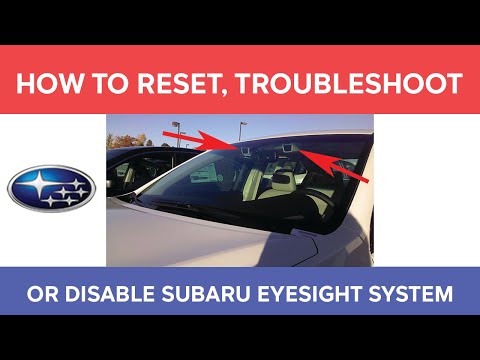
The 2019 Subaru Forester is equipped with EyeSight, a suite of Advanced Driver-Assistance Systems (ADAS). This system uses cameras mounted near the rearview mirror to monitor traffic, provide lane-keep assist, and manage pre-collision braking.
This system is the primary reason why a seemingly simple suspension repair becomes a complex insurance claim. Subaru specifies that if an alignment is performed, or if certain suspension components are replaced, the EyeSight system must be calibrated.
Why is this necessary? The cameras are programmed to expect the vehicle to be at a specific height and angle. If the suspension was repaired and the alignment was changed—even back to factory specs—the "eyes" of the car might be looking slightly higher or lower than they were before. If the calibration is not performed, the car may not brake correctly in an emergency or may "see" obstacles that aren't there.
Calibration requires specialized targets, a level floor, and specific diagnostic software. It is a labor-intensive operation that adds a separate line item to your estimate. Insurance companies typically cover this, but usually only after the mechanical repairs are documented as complete.

Parts: OEM, Aftermarket, and Your Policy
Another reason estimates change is the type of parts used. Your insurance policy might state that the insurer can specify "Alternative Parts," which include:
- Aftermarket: New parts not made by Subaru.
- Recycled: Used parts from a donor vehicle.
- OEM (Original Equipment Manufacturer): New parts made by Subaru.
For sensitive components like steering racks or certain suspension members, a repair facility may argue that only OEM parts should be used to ensure the ADAS systems function correctly. If your shop insists on OEM parts but your insurance policy only pays for aftermarket, there may be a price difference (often called a "gap"). You should review your policy's "Parts" section or "Choice of Repair Lab" provisions to see who is responsible for that cost difference.
What Should I Do Before Authorizing Repairs?
To avoid surprises and ensure your Forester is safe, follow these steps:
- Ask for the Teardown: Ask the shop if they have performed a full teardown and a pre-repair diagnostic scan. This helps identify electronic faults before the body work even begins.
- Request the Alignment Printout: If the shop claims you have suspension damage, ask to see the alignment "before and after" sheet. This document is the objective proof the insurance company needs to pay for mechanical repairs.
- Confirm ADAS Calibration: Ask the shop if they have the equipment to calibrate the Subaru EyeSight system in-house or if they sublet it to a dealership. Ensure a post-repair calibration report is included in your paperwork for your records.
- Understand the Supplement Process: Do not be alarmed if the shop calls you with a higher price a week into the repair. This is the standard negotiation process where the shop and the insurer account for newly discovered damage.
Summary: Why Safety Costs More Than It Used To
A 2019 Subaru Forester is no longer just a collection of steel and glass; it is a rolling computer. A collision that pushes a wheel back an inch can compromise the sensors that prevent a high-speed wreck later.
The transition from a $2,000 "fender bender" to a $6,000 complex repair is usually not a sign of a dishonest shop—it is a sign that the shop is following the manufacturer's safety protocols. Always consult with a qualified collision professional who can explain the specific repair procedures mandated by Subaru for your specific Vehicle Identification Number (VIN).
Note: Insurance coverage is subject to your specific policy limits and state regulations. Always consult your insurance agent or policy documents regarding coverage questions.



No Comments Yet
Be the first to comment on this article.