Curtis.Castiglione@ROzebra.com

2019 Subaru Ascent Rear Collision Repair Guide
If you have recently been involved in a rear-end collision in a 2019 Subaru Ascent, you may be surprised to see an initial insurance estimate that seems low compared to the sophisticated nature of the vehicle. When a large SUV like the Ascent takes a hit to the rear, the damage often extends far beyond the visible scratches on the bumper cover. Understanding why these repairs are complex—and why the final cost often increases after the vehicle is disassembled—is essential for any owner navigating the insurance claim process.
Why is my initial insurance estimate so much lower than the shop quote?
The most common question owners ask is: "Why did the insurance company only write an estimate for 2,500 dollars when the body shop says it will cost 7,000 dollars?"
The answer lies in the difference between a visual inspection and a professional blueprinting process. An insurance appraiser or a mobile app usually only documents what is visible without taking the car apart. In contrast, a qualified repair facility will perform a teardown, removing the bumper cover, interior trim, and liftgate components to see the underlying structure.
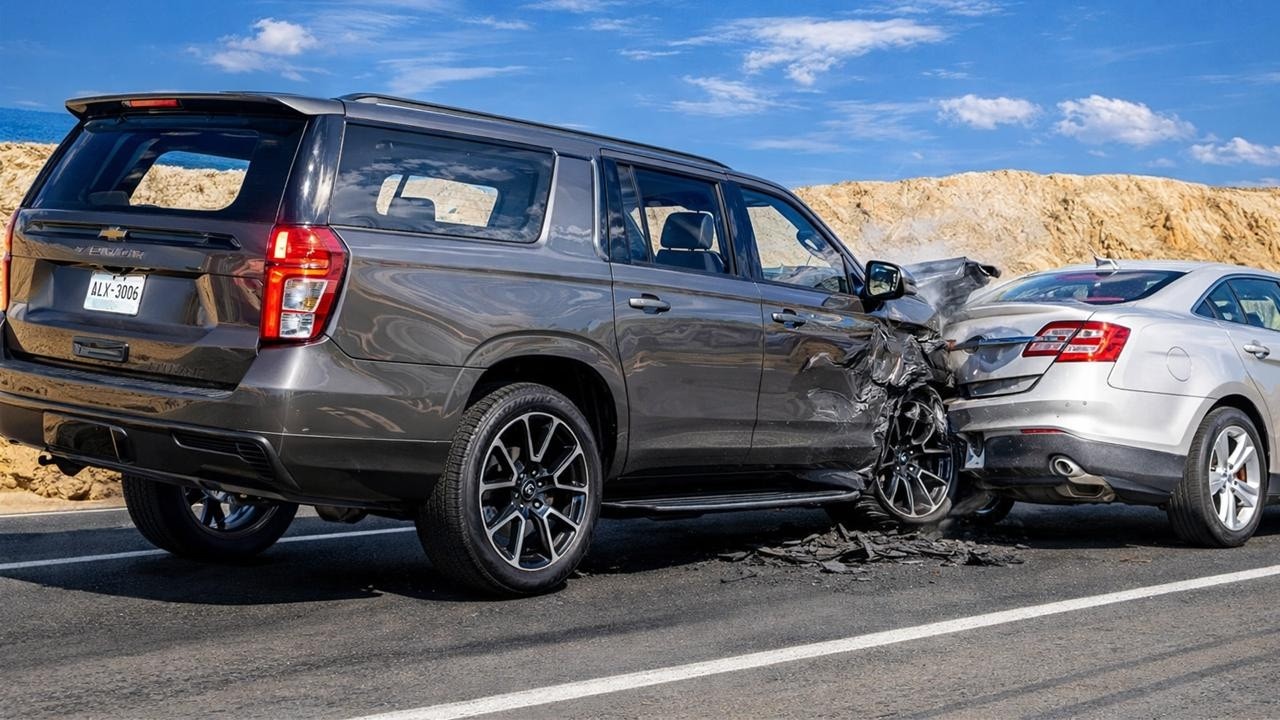
In a 2019 Ascent, the energy of a rear impact is designed to travel through the vehicle to protect the passengers. This often results in a "supplement"—an additional claim filed by the shop once hidden damage, such as a buckled rear body panel or pinched wiring, is discovered.
The Structural Ripple Effect: Quarter Panels and Hinges
The 2019 Subaru Ascent is constructed with various grades of steel, including high-strength and ultra-high-strength steel in the rear body structure. Because the quarter panels are welded to the rear body panel, a significant impact to the center of the liftgate can actually pull the quarter panels inward or push them outward.
If your liftgate gaps look uneven or the gate is hard to latch, the underlying structure of the vehicle has likely shifted. Key areas to inspect include:
- Liftgate Hinges and Latches: These should be checked for distortion even if the gate still operates. Shifted hinges can lead to long-term alignment issues.
- Quarter Panel Alignment: Even if there isn't a scratch on the side of your car, a "buckle" where the quarter panel meets the roof indicates structural movement.
- Rear Body Panel: This is the structure behind the bumper. If this panel is pushed in, it changes the geometry of the entire rear opening.
The Role of the Rear-View Camera and ADAS
Modern Subarus are essentially computers on wheels. Your Ascent is equipped with a rear-view camera and potentially Rear Cross-Traffic Alert sensors. One of the most common mistakes in rear-end repairs is assuming that if the camera still "works," it does not need professional attention.

In a 2019 Ascent, the camera mounting points are precision-engineered. If the liftgate is slightly bent or the mounting bracket is cracked, the camera's field of vision changes. This can render your parking lines inaccurate. Furthermore, Subaru requires specific diagnostic scans—both pre-repair and post-repair—to ensure the Advanced Driver Assistance Systems (ADAS) are communicating correctly. If your estimate does not include calibration procedures, the repair is technically incomplete and could compromise safety.
OEM Parts versus Aftermarket Parts
One of the biggest points of contention in Ascent repairs is the use of Original Equipment Manufacturer (OEM) parts versus aftermarket or recycled parts. Your insurance policy language often dictates which parts the insurer will pay for based on the age of the vehicle and state regulations.
For a vehicle like the Ascent, which relies on precise fitment for water sealing and sensor alignment, using an OEM liftgate is often the most reliable way to ensure a safe repair. Aftermarket panels may not have the same reinforcement for the power liftgate struts or the exact mounting tolerances for the camera and latch assembly. If your shop finds that an aftermarket part does not fit correctly, they must document this to the insurance company to justify an upgrade to a genuine Subaru part.
The Critical Importance of Water-Leak Testing
The liftgate on an Ascent is a large opening that must be perfectly sealed. If the rear body structure is not pulled back to factory specifications within a millimeter of its original position, the weather seals will not seat properly.

A mistake often made by owners is rushing the car out of the shop before a thorough water test is performed. If the structural alignment is off, the vehicle may leak during a rainstorm or a car wash. This can lead to:
- Mold and Mildew: Damp carpets and headliners create health hazards.
- Electrical Shorts: Water intrusion can ruin the wiring for the camera and power liftgate.
- Rust: Hidden water pooling in the spare tire well can cause long-term corrosion.
Ensure your repair facility includes a dedicated water-leak test as part of their quality control process before you sign off on the repairs.
Summary Checklist for the Vehicle Owner
If you are navigating a rear-end claim for your 2019 Subaru Ascent, take these practical steps to ensure a high-quality repair:
- Choose the Right Shop: Ask if the facility follows Subaru’s specific repair procedures and if they use a 3D measuring system to check structural alignment.
- Request a Teardown: Do not authorize final repairs based only on a preliminary driveway estimate.
- Ask About Calibration: Ensure the shop has the tools to calibrate the rear camera and ADAS sensors.
- Review Your Policy: Understand your deductible and your rights regarding the choice of repair parts.
- Verify Documentation: Ask for copies of the pre- and post-repair diagnostic scans for your records.
A rear collision on a 2019 Subaru Ascent involves much more than aesthetics. By focusing on structural integrity and electronic precision, you can ensure your vehicle remains safe and retains its value.



No Comments Yet
Be the first to comment on this article.