Curtis.Castiglione@ROzebra.com
2019 Subaru Ascent Front-End Collision Repair Guide
By Curtis Castiglione
If you have been involved in a front-end collision with your 2019 Subaru Ascent, you might be surprised to see a repair estimate that far exceeds what the visible damage suggests. Modern SUVs are designed with "soft" front ends to protect pedestrians and absorb energy, but this design often hides significant mechanical and technological damage behind a plastic bumper cover that may look relatively intact.
Understanding the relationship between the plastic "skin" of your car and the complex systems underneath is the first step in navigating a successful insurance claim and repair.
The Illusion of Minor Damage: Plastic Memory
The front bumper cover of a 2019 Ascent is made of a flexible plastic designed to withstand minor taps. In a moderate impact, this cover can flex inward, crush the components behind it, and then "pop" back into its original shape.
To the naked eye, you might only see a few scratches. However, the internal components—the bumper reinforcement, the radiator support, and various sensor brackets—do not have "memory." Once they are bent or cracked, they stay that way. This is why a $500 cosmetic scuff can quickly turn into a $5,000 mechanical and structural repair once the bumper is removed.

The Cooling System: A Stacked Risk
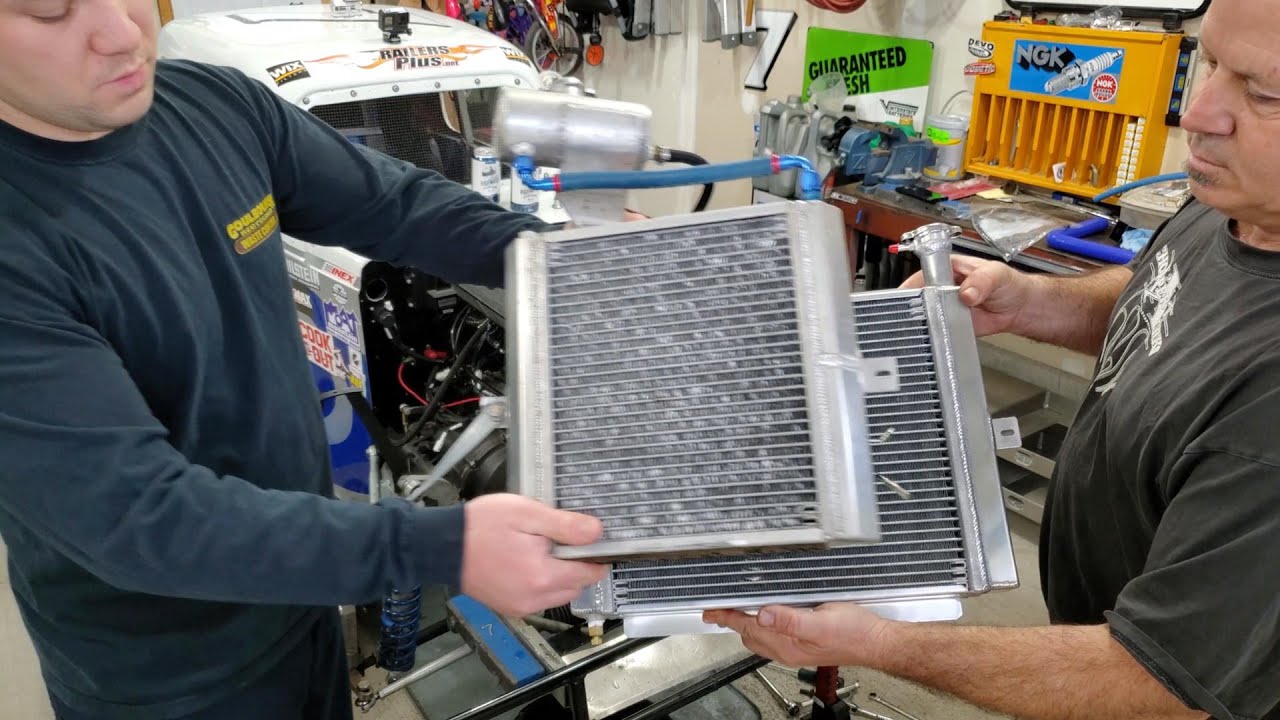
The cooling assembly in a Subaru Ascent is a tightly packed "sandwich" of components. When the front end is pushed in, several parts are at immediate risk:
- The A/C Condenser: This is the first line of defense and is made of very thin aluminum. Even a small stone or a minor tweak to the frame can cause a refrigerant leak.
- The Radiator: Located directly behind the condenser. Technicians must look for "pinched" tanks or bent mounting points. If the radiator is slightly displaced, it can lead to stress fractures and catastrophic engine overheating weeks after the repair is finished.
- Cooling Fans: An impact can shift the fans just enough that the blades clip the radiator shroud or the radiator itself.
- Radiator Support: This is the framework that holds everything together. If this is even slightly out of alignment, your hood may not latch correctly, and your headlights may point in the wrong direction.
Always ask your shop if the cooling system was pressure-tested. A visual inspection is rarely enough to guarantee the long-term integrity of these components.
The Invisible Danger to Sensors and Safety Systems
The 2019 Ascent is a "smart" vehicle, heavily reliant on Advanced Driver Assistance Systems (ADAS). Depending on your trim level, your front end houses radar units, sonar sensors, and brackets that interact with the EyeSight camera system.
These sensors depend on mathematical precision. A mounting bracket that is bent by just one or two degrees can cause a sensor to "look" at the wrong lane. This can result in:
- False-positive emergency braking.
- Adaptive cruise control failure.
- Blind-spot or lane-keep errors.
If your repair estimate does not include a diagnostic scan and system calibration, the repair is incomplete. Calibration is a specialized labor operation that ensures the vehicle’s "eyes" are aligned with its wheels.
Why Did My Insurance Estimate Change?
It is common for an initial insurance estimate—often written in a parking lot or via photos—to be significantly lower than the final bill. This is due to the supplement process.
Insurance adjusters generally only write for the damage they can see without taking the car apart. Once your Subaru is at the repair facility, the technician will perform a "teardown" or "blueprint" of the vehicle. By removing the bumper cover and grille, they document the damaged radiator supports, cracked headlight tabs, and bent reinforcements.

These findings are submitted to the insurance company as a supplement. This is a standard part of collision repair and ensures the vehicle is returned to its pre-loss condition rather than just receiving a cosmetic "band-aid."
OEM vs. Aftermarket Parts: The Subaru Standard
For a vehicle like the 2019 Ascent, the choice of parts is critical. While insurance policies often allow for the use of "Like Kind and Quality" (LKQ) or aftermarket parts to save costs, Subaru has specific requirements regarding the materials used in their front-end structures.
- Structural Integrity: High-strength steel and specific aluminum alloys are used to ensure the vehicle crumbles correctly in a future accident.
- Electronic Compatibility: Aftermarket sensors or cooling components may not always communicate perfectly with Subaru’s onboard computers.
Review your insurance policy to see if you have an "OEM Parts" endorsement. If not, discuss with your shop whether they recommend manufacturer-original parts for specific safety-related sensors and cooling components.
What Should You Do Before Authorizing Repairs?
To ensure your Ascent is repaired correctly and your insurance claim is handled fairly, follow these steps:
- Request a Pre-Repair Scan: This document identifies electronic "fault codes" present immediately after the accident, proving that the issues were caused by the collision and not wear and tear.
- Verify Calibration: Confirm that the shop has the tools and data to calibrate your safety systems. If they cannot do it in-house, they should sublet it to a dealer or a specialist.
- Document the Teardown: Ask the shop for disassembly photographs. These are vital for insurance supplements as they provide indisputable proof of hidden damage to mounts and cooling fins.
- Check for Mechanical vs. Collision Coverage: Remember that a leaking radiator caused by an accident is a collision claim, not a mechanical breakdown. Both should be covered under your policy, minus your deductible.
The repair of a modern Subaru is a complex marriage of structural bodywork, mechanical plumbing, and computer science. By understanding that the damage often goes deeper than the plastic skin of the car, you can better navigate the claims process and ensure your vehicle remains safe for your family.
Disclaimer: Insurance policies and state laws vary. Review your specific policy and consult with your insurance company or a qualified collision professional regarding your coverage and repair options.



No Comments Yet
Be the first to comment on this article.