Curtis.Castiglione@ROzebra.com
2019 Ram 1500 Side-Impact Repair Guide
By Curtis Castiglione
A side-impact collision involving a 2019 Ram 1500 can be deceptive. Because these trucks are engineered with a sophisticated mix of high-strength steel and complex electronics, what looks like a simple dent in a rear door often involves a web of mechanical and electrical failures.
If your truck has been hit, you may notice the door still opens and closes, leading you to believe the damage is purely cosmetic. However, the internal components of a modern Ram door are tightly packaged. Even a minor intrusion can compromise the vehicle’s functionality and safety.
Why did my estimate change after the teardown?
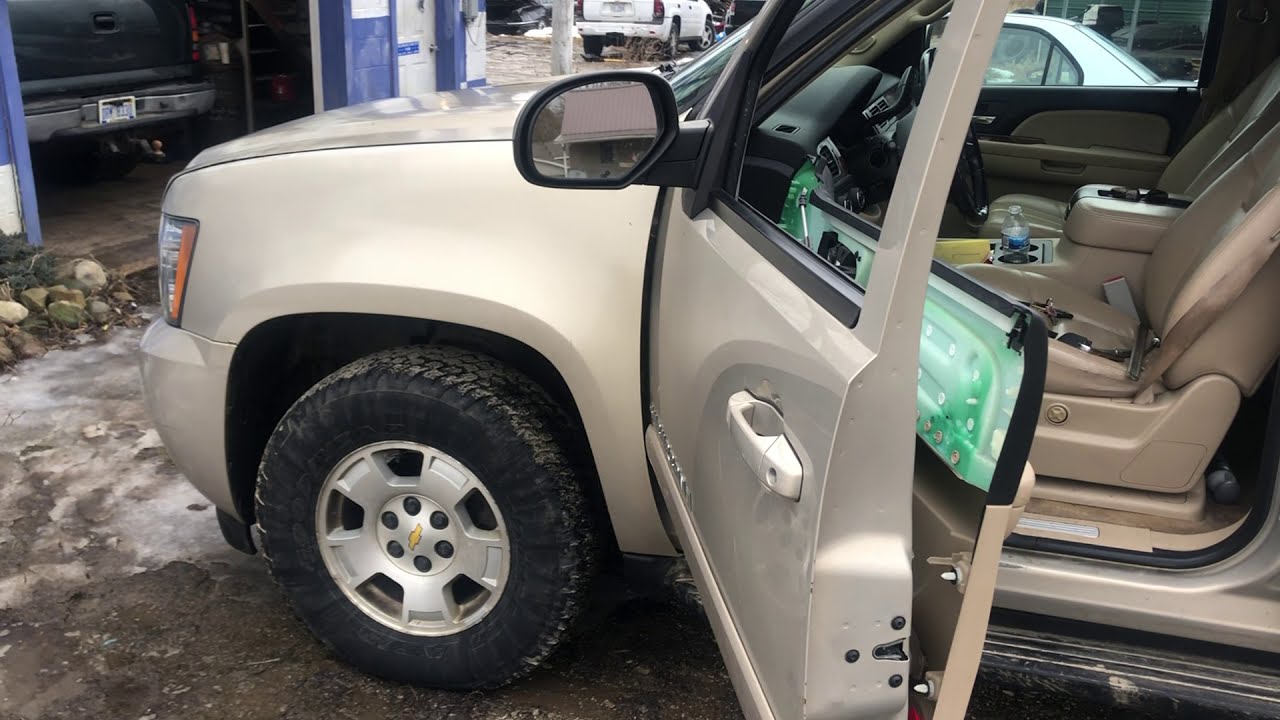
When an insurance adjuster first inspects your truck, they typically perform a visual estimate. This initial estimate usually covers the obvious: the outer door skin, paint, and perhaps a molding. However, the real damage to a 2019 Ram 1500 is often hidden behind the interior trim panel.
Once a technician begins the disassembly or teardown, they often find that the impact energy has transferred through the outer panel into the window regulator, the door latch, and the wiring harness. This leads to an insurance supplement.
A supplement is an additional claim for damages discovered after the original estimate was written. In the case of the Ram 1500, the window regulator—the mechanical track that moves your glass—is easily bent. If it is off by even a few millimeters, the glass may bind, travel slowly, or eventually shatter. Because the initial adjuster cannot see through steel, the estimate must change once the door is opened up.
The Complexity of the Door Wiring Harness
Modern trucks are essentially rolling computers. The wiring harness inside a 2019 Ram 1500 rear door does much more than power a speaker; it carries vital data for:
- Power door locks and latch synchronization.
- Window motor communication.
- Security system sensors.
- Blind-spot monitoring (depending on trim level).
During an impact, these wires can be pinched against the inner steel reinforcements. Even if the window works today, a pinched wire can lead to intermittent electrical failures or a parasitic battery drain weeks later. A qualified repair facility must inspect the harness connectors for hairline cracks and the wiring insulation for stretching.
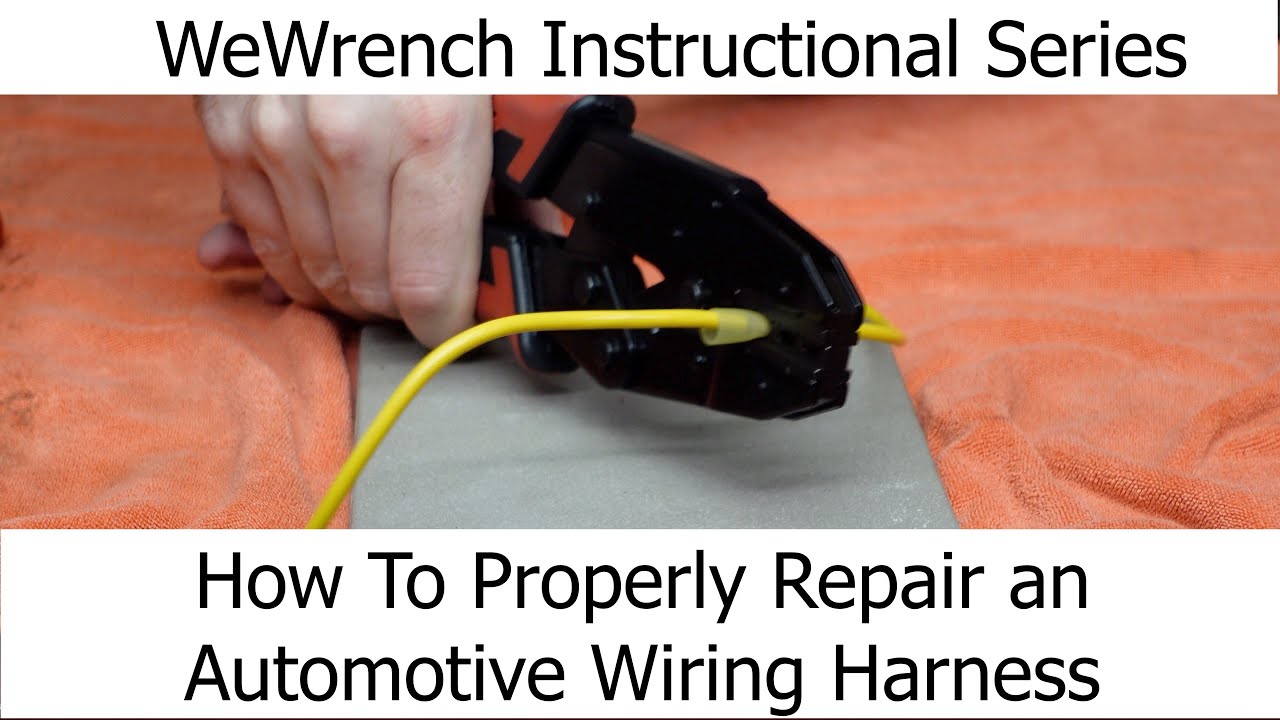
Repair vs. Replace: Some manufacturers allow for wire splicing, while others require a complete harness replacement to maintain the integrity of the data network. Your shop should follow manufacturer-specific repair procedures for your VIN.
Why does my repair cost more than the door itself?
A common question from owners is why a simple door replacement involves so much labor. The answer lies in the adjacent cab structure.
The rear door of a Ram 1500 hangs on hinges attached to the B-pillar and latches onto a striker on the C-pillar or rear cab corner. If the impact was heavy enough to crush the door shell, that energy likely reached the pillars.
If the cab structure is slightly misaligned, a brand-new door will not seal correctly. This results in:
- Whistling wind noise at highway speeds.
- Water leaks during rain or car washes.
- A door that requires excessive force to close.
A professional shop will use electronic measuring equipment to ensure the cab opening meets factory specifications before hanging a new door. This structural labor is necessary but often overlooked in quick insurance estimates.

OEM, Recycled, and Aftermarket Parts: What is the difference?
Your estimate may list various part types. It is important to understand how these affect a 2019 model:
- OEM (Original Equipment Manufacturer): Parts made by Mopar specifically for your Ram. These ensure the best fit and finish.
- Recycled/LKQ: Parts salvaged from another vehicle. If a recycled door is used, the shop must verify it comes from a truck with the exact same wiring configuration and internal reinforcements.
- Aftermarket: Parts made by third-party companies. While often cheaper, an aftermarket window regulator must match the speed and resistance of the factory motor. If it does not, the auto-up safety sensors—which stop the window if a finger is in the way—may fail to calibrate.
Insurance policies often dictate which parts they will pay for based on the vehicle's age. Review your policy’s limit of liability or parts language and consult with your shop if you have concerns about part quality.
Why did the shop charge for a Diagnostic Scan?
A 2019 Ram 1500 should receive a pre-repair and post-repair diagnostic scan. These scans identify soft codes—errors that do not trigger a dashboard light but indicate electrical faults in the door module or restraint system. If a sensor was unplugged or pinched during the accident, the computer needs to be told that the new part is present and functioning. Without these scans, your smart features may not work correctly.

Practical Steps for the Vehicle Owner
If you are researching repairs for your Ram 1500 after a side impact, take the following steps before authorizing the final bill:
- Test the Window: Does it move smoothly? If you hear a grinding or popping sound, the regulator is likely damaged.
- Check the Locks: Ensure the power locks cycle quickly and quietly from both the driver’s switch and the key fob.
- Inspect the Gaps: Look at the reveal (the space between the door and the cab). It should be uniform all the way around.
- Ask About the Harness: Confirm if the shop performed a visual inspection of the wiring and a digital scan of the door modules.
- Review the Supplement: If the cost increased, ask the shop to show you the bent internal components or pinched wires.
The Bottom Line: Vehicle damage is more than skin deep. By understanding that a door hit on a modern truck involves mechanical, structural, and electrical systems, you can better navigate the claims process. Always consult with a certified collision professional and review your specific insurance policy to understand your rights and responsibilities.



No Comments Yet
Be the first to comment on this article.