Curtis.Castiglione@ROzebra.com

2019 Nissan Rogue Front-End Repair: Radiator Supports and ADAS
If you own a 2019 Nissan Rogue and have recently been in a front-end collision, you might be surprised by your repair estimate. What looked like a simple fender bender involving a buckled hood and a cracked bumper often spirals into a multi-thousand-dollar repair.
The question most owners ask is: Why did my initial insurance estimate double after the car got to the shop?
The answer lies beneath the plastic skin of your vehicle. On a modern SUV like the 2019 Rogue, the hood and bumper are merely cosmetic covers for a highly complex foundation. Understanding the relationship between the radiator support, the latch system, and onboard safety technology is essential before you authorize any repairs.
The Radiator Support: The Foundation of Your Front End
The most critical component in a Rogue front-end collision isn't the hood—it is the radiator support.
In older vehicles, this was a heavy steel frame welded to the chassis. In the 2019 Nissan Rogue, the radiator support is a precision-engineered component, often a mix of lightweight materials, that serves as the mounting point for:
- The radiator and cooling fans
- The hood latch and safety striker
- The headlamp assemblies
- The front bumper reinforcement bar
- Various ADAS sensors (Advanced Driver Assistance Systems)
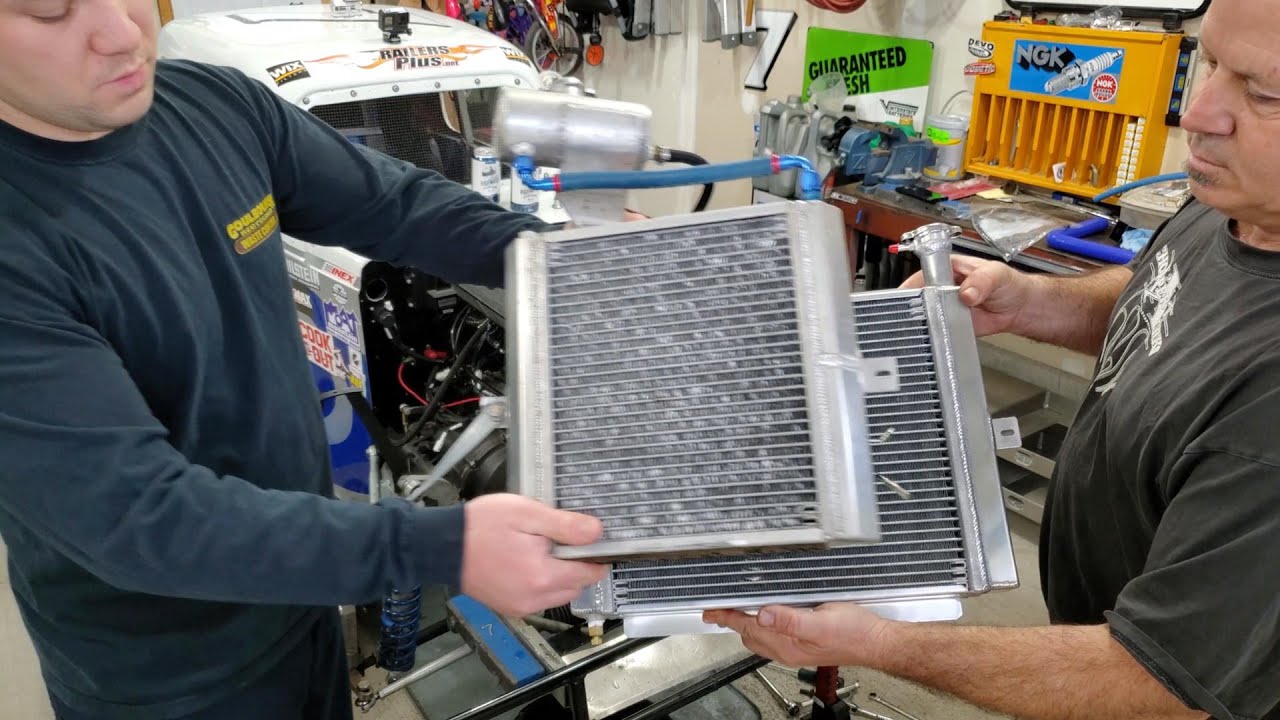
If the radiator support is pushed back even two or three millimeters, the hood latch moves with it. You may be able to bolt on a brand-new hood, but it will never align with the fenders, or worse, it may fail to latch securely. A latch that is not perfectly centered is a massive safety risk; if the primary latch fails at highway speeds, the hood could fly open, obstructing your vision entirely.
Why Your Insurance Estimate Will Likely Change
It is a standard industry practice for insurance companies to write an Initial Visual Estimate. If you used a photo-claim app or had an adjuster look at the car in your driveway, they likely only wrote for the visible damage—the hood and the bumper cover.
The Teardown and Supplement Process
Once the vehicle arrives at a professional collision center, the teardown begins. Technicians remove the bumper and hood to inspect the underlying structure. This is where they find:
- Cracked Headlamp Tabs: Headlamps are expensive. Often, the lens looks fine, but the plastic mounting tabs on the radiator support have snapped off.
- Deformed Support Structure: The radiator support may be cracked or bent, requiring replacement to ensure the car’s cooling and safety systems sit in their factory-specified locations.
- Hidden Cooling Damage: The AC condenser or radiator might be slightly bowed, which may not leak immediately but will fail prematurely if not addressed.
When these items are found, the shop submits a Supplement to the insurance company. This is a request for additional funds to cover the actual damage found during teardown. Do not be alarmed if you see one or two supplements; it is a sign that your shop is being thorough rather than just slapping a hood on.
The Hidden Cost: Sensors and Calibration
The 2019 Nissan Rogue is a rolling computer. Depending on your trim level, your Nissan Intelligent Mobility suite includes forward-facing radar (usually located behind the front emblem or lower grille) and cameras.
If the radiator support or bumper reinforcement is slightly out of alignment, the radar sensor will be aimed incorrectly.
- Mechanical Diagnosis: Even if the sensor itself is not broken, the bracket holding it might be.
- Calibration: Nissan requires specific Pre-Repair and Post-Repair scans. After the structural repairs are done, the shop must perform a Radar Calibration. This involves using specialized targets and software to ensure the Automatic Emergency Braking (AEB) system sees the road correctly.

If your estimate does not include Calibration or Diagnostic Scans, your safety systems may not function correctly in the next emergency.
Parts Selection: OEM vs. Aftermarket
Insurance policies vary wildly on parts usage. You may see terms like Like Kind and Quality (LKQ) or Quality Replacement Parts (Aftermarket) on your estimate.
- The Risk with Aftermarket Radiator Supports: Because the radiator support is the anchor for the headlamps and hood latch, an aftermarket part that is off by just a fraction of an inch can lead to panel gap issues. Your hood may look crooked, or your headlights may have large gaps underneath them.
- The Insurance Reality: Unless you have an OEM Parts Endorsement on your policy, the insurance company may only pay for aftermarket parts. If the shop cannot get the aftermarket part to fit correctly, they must document the failure to fit to justify an upgrade to an Original Equipment Manufacturer (OEM) part from Nissan.
What Should You Do? (A Practical Checklist)
If you are reviewing an estimate for a 2019 Rogue front-end hit, ask your shop foreman these three questions:
- Has a full teardown been performed? Do not trust an estimate based only on photos. Ensure the bumper has been removed to inspect the radiator support and headlamp mounts.
- Are the ADAS sensors being calibrated? Ask for the Post-Repair Scan report. This is your proof that the safety systems are active and error-free.
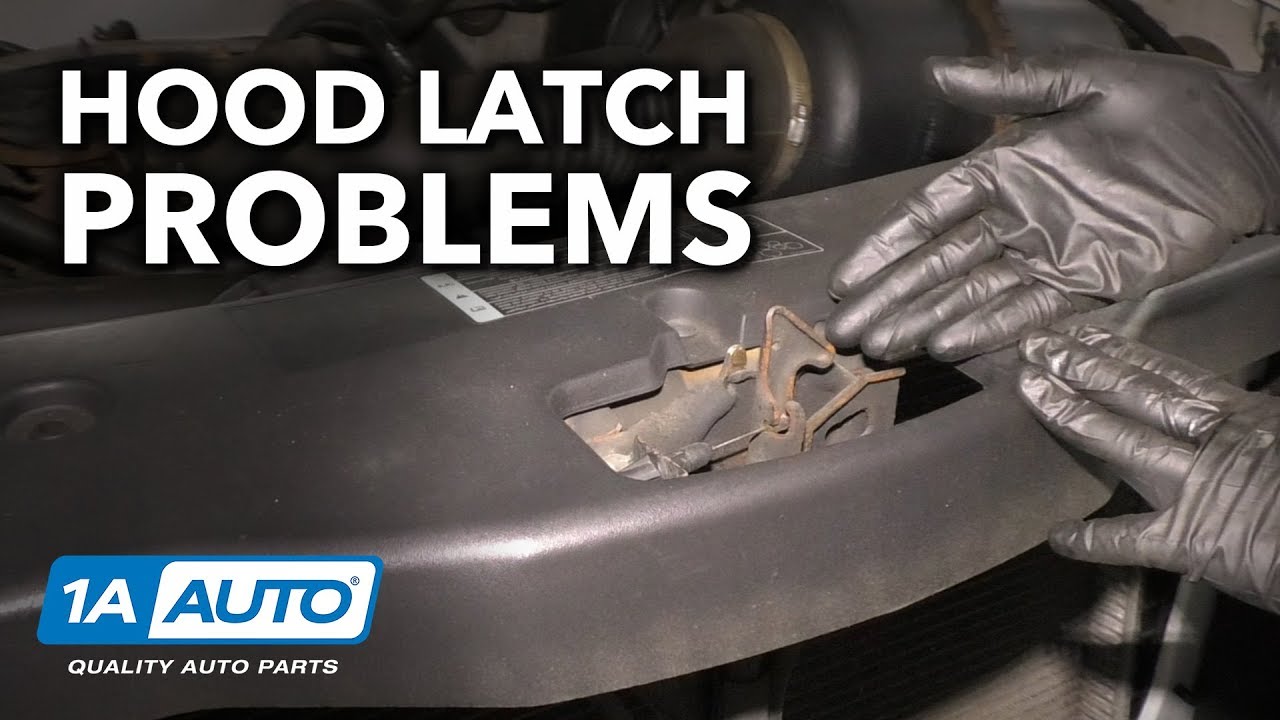
- Is the hood latch being replaced or reused? If the striker (the hook on the hood) or the latch was impacted, it should generally be replaced to ensure the structural integrity of the locking mechanism.
Final Thoughts on Repair Responsibility
While your insurance company pays for the loss, the contract for repair is between you and the shop. You have the right to choose a facility that follows Nissan’s recommended repair procedures. If the insurance company refuses to pay for a necessary safety calibration or a structural repair documented by the shop, consult your policy’s Appraisal Clause.
A 2019 Nissan Rogue is a safe, high-tech vehicle, but it only stays that way if the foundation—the radiator support—is restored to factory specifications. Do not settle for a repair that is only skin deep.



No Comments Yet
Be the first to comment on this article.