Curtis.Castiglione@ROzebra.com

2019 Mazda3 Front Collision: Hidden Damage and Repair Costs
It is a common scenario: you are involved in a minor front-end fender bender in your 2019 or newer Mazda3. On the surface, the damage looks like a few scratches and a slightly misaligned bumper. The insurance adjuster writes an initial estimate for 1,200 dollars. However, once the car arrives at the body shop and the bumper is removed, that estimate jumps to 4,500 dollars.
Why does this happen? The answer lies in the hidden architecture of modern vehicles. While the exterior of a Mazda3 is designed to look good and withstand minor impacts, the components underneath are designed to sacrifice themselves to protect the engine and passengers.
Why Did My Mazda3 Repair Estimate Change?
The primary reason for a supplement—an additional insurance claim for damage found after the initial inspection—is that plastic bumper covers are resilient. They often flex inward during an impact and pop back into their original shape.
The structural and mechanical components behind that plastic, however, do not flex. They bend, crack, or shift. When a shop performs a teardown (the process of removing damaged outer panels to inspect the structure), they often find that the impact energy traveled much deeper into the vehicle than the insurance appraiser could see in a driveway.
The Radiator Support: The Backbone of the Front End
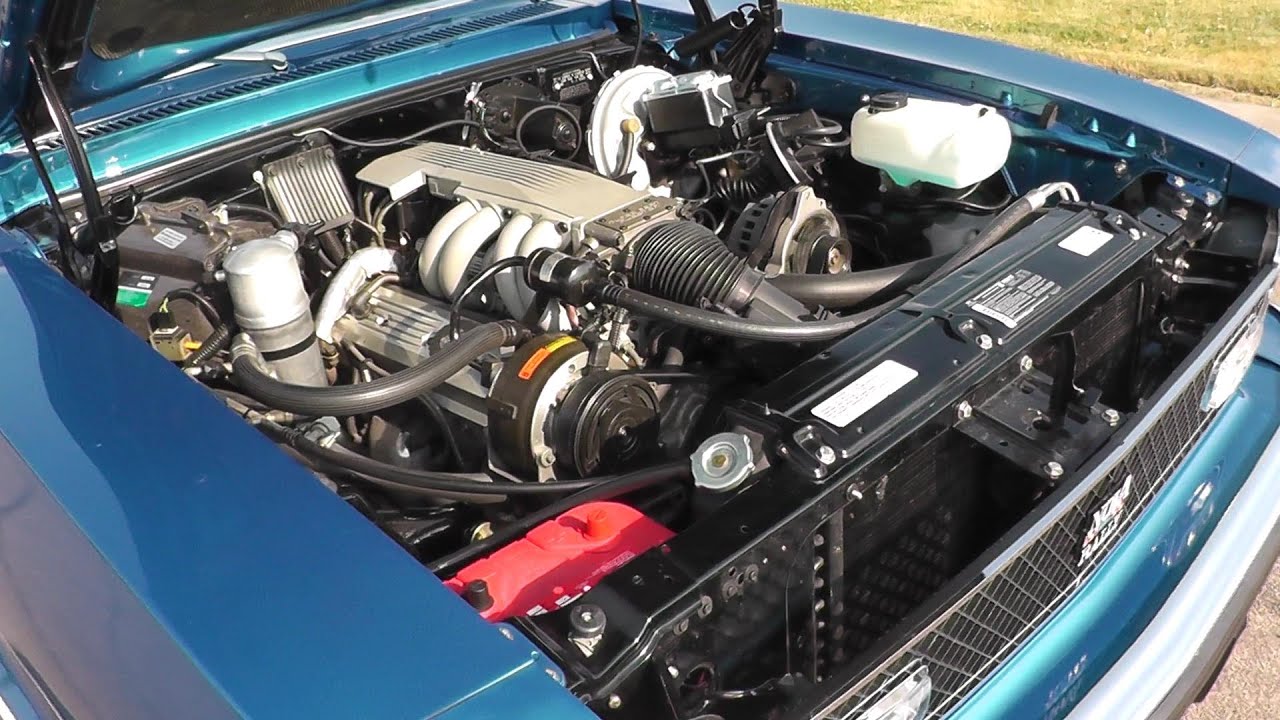
The radiator support is a framework that holds the cooling system, the headlights, and the hood latch in place. On the 2019 Mazda3, this support is often made of lightweight composite materials or thin-gauge high-strength steel.
Even a low-speed impact can shift this support by just a few millimeters. While that may sound minor, it creates a domino effect of repair issues:
- Headlight Misalignment: Your beams may point too high or too low.
- Body Gaps: The front fenders and hood will no longer line up perfectly.
- Structural Integrity: If the support is cracked, it can no longer properly hold the cooling components during normal vehicle vibration.
The Hidden Danger of the Hood Latch
One of the most critical safety items to inspect after a front-end collision is the hood latch assembly. If the radiator support has shifted or bent, the latch may no longer be perfectly centered.
A latch that is forced to engage on a bent support is a safety hazard. It may fail to hold the hood down at highway speeds, leading to a catastrophic hood flip that obscures the driver’s vision. Conversely, the latch may jam, preventing you from opening the hood for routine maintenance or emergency services. A professional repair must verify that the latch engagement and release functions meet manufacturer specifications.
Mechanical Damage: Cooling Fans and Overheating
A common mistake vehicle owners make is assuming that if the car is not leaking coolant, it is safe to drive. This is often untrue.
On the 2019 Mazda3, the radiator fans and their plastic shrouds are positioned extremely close to the radiator and A/C condenser. An impact can push the radiator support backward, forcing the fan blades into the radiator fins or cracking the plastic shroud.
- Interference: If the fan blade is touching a piece of broken plastic, the motor will burn out.
- Vibration: A cracked shroud causes excessive vibration, which can eventually lead to a radiator leak weeks after the accident.
- The Insurance Risk: If you continue to drive a car with a compromised cooling system and the engine overheats, the insurance company may deny the claim for engine replacement. They may argue that the engine damage was consequential and caused by your failure to stop driving a damaged vehicle, rather than being caused directly by the accident.
The Role of ADAS and Calibration
Modern Mazda3s are equipped with Advanced Driver Assistance Systems (ADAS). This includes radar sensors (often located behind the Mazda emblem) and cameras that control adaptive cruise control and automatic emergency braking.
If the radiator support or bumper reinforcements have moved even slightly, these sensors must be recalibrated. This is a specialized labor operation involving diagnostic computers and target boards. If an estimate doesn't include pre- and post-repair scans and calibration, the safety features you rely on may not function correctly when you need them most.

What Should You Do if You Have Had a Front-End Impact?
- Do Not Assume It is Just Cosmetic: Even if the car looks fine, have a professional shop inspect the area behind the bumper.
- Request a Full Teardown: Ask the shop to document the disassembly with teardown photographs. This provides the objective evidence needed to justify a supplement to the insurance company.
- Check for Fan Interference: With the engine off, look through the grille or from under the hood to see if any plastic is touching the radiator or fan blades.
- Review the Parts List: Ask if the shop is using OEM (Original Equipment Manufacturer), aftermarket, or recycled parts. Insurance policies often allow for non-OEM parts, but manufacturer procedures may require specific components to ensure ADAS sensors work correctly.
- Review Your Policy: Understand that your insurance coverage usually pays for the loss (the damage from the accident), but it does not cover wear and tear or damage caused by continuing to drive the car after the collision.
The Bottom Line: A 2019 Mazda3 is a sophisticated machine. What looks like a simple bumper repair is often a complex mechanical and structural project. To ensure your vehicle is safe and retains its value, prioritize a thorough inspection and professional calibration over a quick and cheap visual estimate.



No Comments Yet
Be the first to comment on this article.