Curtis.Castiglione@ROzebra.com

2019 Jeep Grand Cherokee Wheel Impact Damage and Repair
When a 2019 Jeep Grand Cherokee sustains an impact to a front wheel—whether from a collision with another vehicle, a deep pothole, or a slide into a curb—the damage is rarely limited to what you can see on the surface. While a scratched or cracked wheel is an obvious starting point for an insurance claim, the real concern lies in the kinetic energy that traveled through that wheel and into the critical steering and suspension components.
Understanding the relationship between the impact, the mechanical components, and the insurance claim process is essential to ensuring your vehicle is returned to a safe, roadworthy condition.
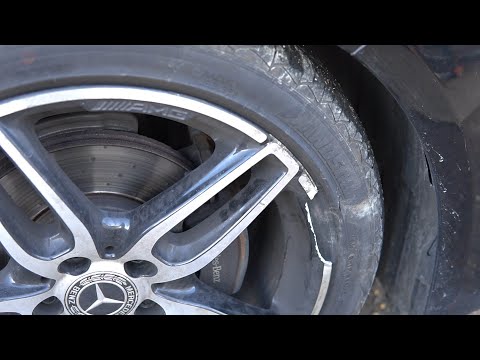
Why Does My Insurance Estimate Only Show the Wheel?
If you receive an initial estimate from an insurance adjuster that only includes the cost of a new wheel and tire, you are likely looking at a preliminary document.
In the insurance world, adjusters typically write estimates for "line-of-sight" damage. Because they cannot see inside a sealed wheel hub or detect a three-millimeter bend in a steering knuckle with the naked eye, those parts are often left off the first draft.
The Importance of the Teardown and Supplement
This is where the repair facility’s role becomes vital. A proper repair requires a teardown. Once the wheel is removed, a technician must inspect the internal components. If the shop finds damage not listed on the original estimate, they submit a supplement—a request for additional funds and parts—to the insurance company. This is a standard part of the repair process, but it can only happen if the shop knows to look past the first broken part.
Tracing the Force: Components That Require Inspection
On a vehicle like the 2019 Jeep Grand Cherokee, the front suspension is an interconnected system. The wheel is the point of impact, but the energy follows a path through several critical parts:
- Wheel and Tire: Even if a tire holds air, it may have suffered internal belt damage (a "bruise") that will cause a blowout later.
- Hub and Bearing: The wheel is bolted to the hub. A side impact often "flat-spots" the bearings inside. You might not hear it immediately, but a damaged bearing will eventually begin to hum or growl, leading to mechanical failure.
- Steering Knuckle: This is a cast component that acts as the backbone of your front suspension. It can bend or crack under high stress. A bent knuckle will throw off your vehicle’s alignment geometry.
- Brake Rotor and Caliper: The brake rotor sits directly between the wheel and the hub. A side-impact can warp the rotor or crack the mounting ears on the brake caliper.
- ABS Wiring and Sensors: Modern Jeeps use sensors at each wheel to manage traction control and emergency braking. A pinched wire or a damaged sensor ring can disable these safety systems.
- Control Arms and Tie Rods: These components manage the direction and stability of the wheel. Even a slight bend can make the vehicle pull to one side.
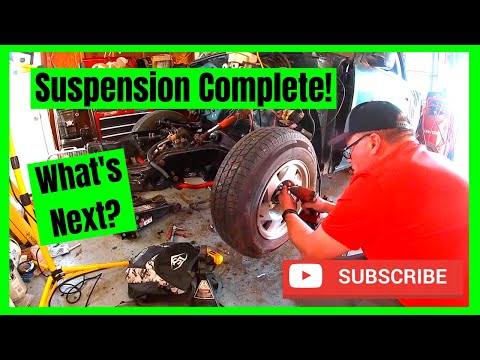
Why a Visual Inspection Isn’t Enough
A wheel can be replaced, and the car might look fine, but mechanical damage often hides in the numbers.
Alignment readings are the "truth-teller" of suspension health. If a shop cannot bring the alignment back to factory specifications (specifically camber or caster), it is a definitive sign that a structural component like the knuckle or a control arm is deformed. Always ask for a copy of the pre-repair and post-repair alignment readings. These documents serve as proof of mechanical damage for your insurance records.

Insurance Coverage vs. Maintenance Responsibility
A common point of friction in insurance claims is the distinction between collision damage and wear and tear.
- Pre-loss Condition: Insurance is designed to return your Jeep to the condition it was in the second before the accident.
- Betterment and Depreciation: If your Jeep had a pre-existing suspension rattle or a worn-out ball joint, the insurance company may "depreciate" those parts, meaning they may only pay for a portion of the replacement, leaving you responsible for the difference.
- Parts Selection: Whether the insurer pays for Original Equipment Manufacturer (OEM) parts, aftermarket parts, or recycled (used) parts depends on the specific language in your policy and your state’s regulations. Many Jeep owners prefer OEM suspension components to ensure the metallurgy matches the original design; you should review your policy to see what you are entitled to.
Does Insurance Cover Hidden Suspension Damage?
Yes, provided the damage can be logically linked to the accident. If you have already had your wheel replaced but notice a new vibration or a humming sound, you may need to reopen the claim. This is why documenting the "force path" is so important. If the wheel was hit hard enough to break, it was hit hard enough to damage the bearing it was attached to.
Critical Questions to Ask Your Repair Facility
Before you authorize the final repair or pick up your vehicle, ask these four specific questions:
- Was the hub bearing checked for play or noise?
- Was the steering knuckle measured for straightness or inspected for cracks?
- Was the brake assembly (rotor and caliper) examined for runout or impact damage?
- Were alignment readings recorded, and do they match Jeep’s factory tolerances?

Final Verification: The Road Test
The final step of any suspension repair is a road test. The vehicle should be driven at various speeds to check for:
- Vibration: Indicates an unbalanced wheel or a damaged hub/axle.
- Pulling: Indicates alignment or control arm issues.
- Steering Abnormalities: If your 2019 Grand Cherokee has Advanced Driver Assistance Systems (ADAS), the steering angle sensor may require recalibration after an alignment to ensure the lane-keep assist and stability control function correctly.
The most important issue is tracing the collision force through the entire wheel assembly rather than stopping at the first broken part. By being proactive and asking the right questions, you ensure your Jeep remains as safe and reliable as it was before the impact.
Disclaimer: Insurance policies and state laws vary. You should review your specific policy and consult with your insurance company or a qualified repair professional regarding your claim.



No Comments Yet
Be the first to comment on this article.