Curtis.Castiglione@ROzebra.com

2019 Hyundai Tucson Rear Bumper and ADAS Repair Guide
If you have been involved in a rear-corner collision in a 2019 Hyundai Tucson, you might be surprised when a seemingly minor "fender bender" results in a repair bill or insurance estimate that totals thousands of dollars. From the outside, the damage may look like a simple plastic cover that needs to be replaced and painted.
However, modern vehicle architecture—specifically the Advanced Driver Assistance Systems (ADAS) found in the Tucson—transforms what used to be a cosmetic fix into a complex electronic and mechanical repair. Understanding the "why" behind these costs is essential for any owner navigating the insurance claim and repair process.
Why did my insurance estimate change after the bumper was removed?
When an insurance adjuster or an appraiser first looks at your vehicle, they typically write a visual estimate (also known as a preliminary estimate) based on what can be seen without taking the car apart.
On a 2019 Tucson, the rear bumper cover is a flexible plastic skin. Because of the material's properties, it can "oil-can"—meaning it pops back into its original shape after an impact—hiding the damage underneath. Once the repair facility performs a teardown (the process of removing the bumper cover), they often find that the bumper reinforcement bar, the mounting brackets, or the rear body panel are bent.

If the shop finds additional damage or needs to perform extra labor operations that were not on the original paperwork, they submit a supplement to the insurance company. This is a standard part of the collision repair process and is the primary reason why the final cost is often significantly higher than the first "quick" estimate you received in your driveway or at a drive-in claims center.
The Hidden Technology: Blind-Spot Collision-Warning (BCW)
Why can't a technician just put a new plastic bumper on and call it a day? The 2019 Hyundai Tucson utilizes radar units located behind the corners of the rear bumper. These sensors are responsible for:
- Blind-Spot Monitoring: Detecting vehicles in your adjacent lanes.
- Rear Cross-Traffic Alert: Warning you of oncoming vehicles when you are backing out of a parking space.

These units are mounted on brackets attached to the vehicle's body, directly in the "crush zone" of a rear-corner impact. Even if the sensor itself was not cracked or smashed during the collision, the bracket or the metal body panel it is attached to may have shifted by just a few millimeters.
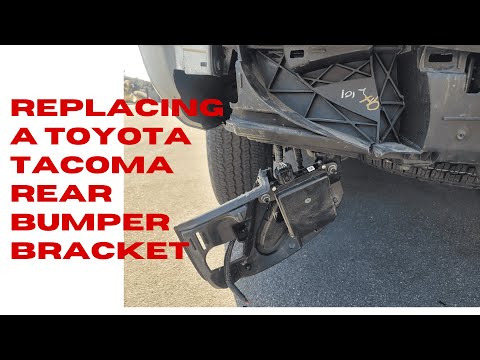
If the mounting angle is disturbed, the radar will not "aim" correctly. It might fail to detect a car next to you, or it might provide false alerts. Because these are safety systems, Hyundai provides specific repair requirements that include inspecting these components and, in many cases, performing a calibration procedure.
What is a calibration and why is it expensive?
Calibration is a specialized labor operation where a technician uses diagnostic software and physical targets to ensure the sensor is "seeing" the road correctly. This is not a simple "on/off" test.
A proper calibration for a 2019 Tucson typically requires:
- A Level Floor: Even a slight incline can throw off the sensor's pitch.
- Controlled Environment: Specific lighting and a significant amount of open space around the vehicle to prevent radar interference.
- Specialized Equipment: An OEM-compatible scan tool and precision targets.
- Technician Training: Labor hours for a specialist to interpret the data and verify the system is communicating with the vehicle's central computer.

Insurance policies generally cover these procedures because they are required to return the vehicle to its pre-loss condition. However, they are rarely included in the initial estimate because the adjuster cannot know if the sensor is misaligned until the bumper is off and the vehicle is scanned.
Why the Wiring Inspection Matters
In a corner impact, the wiring harness that feeds the sensors and the rear lighting can be pinched between the bumper reinforcement and the body. Damage to wiring isn't always a total break; a "pinched" wire can lead to intermittent signal loss or increased resistance, which may cause the system to fail months after the repair is completed.

A thorough inspection includes checking these harnesses for fraying or smashed connectors before the new bumper is installed. Replacing a wiring harness after the car has already been painted and reassembled is much more expensive than catching it during the initial teardown.
Frequently Asked Questions (FAQs)
Does insurance cover the cost of electronic calibrations? Generally, yes. If the manufacturer (Hyundai) requires a calibration as part of the repair procedure following a collision, it is considered a necessary part of the "restoration to pre-accident condition." However, you are still responsible for your policy's deductible.
What happens if I skip the calibration? If the blind-spot system is active but not calibrated, it may provide inaccurate information. It could fail to warn you of a car in your blind spot, leading to another accident. From a liability standpoint, skipping manufacturer-required safety calibrations is a significant risk.
Can I choose my own repair parts? You should review your policy regarding OEM (Original Equipment Manufacturer) versus aftermarket or recycled parts. For electronic components like blind-spot sensors, many technicians recommend OEM parts because aftermarket versions may not communicate correctly with Hyundai's proprietary software.
What should I do if my blind-spot warning light is on?
If your dashboard displays a warning light after an accident, the vehicle has detected a hard fault. However, the absence of a light does not mean the system is working. A sensor can be misaligned but not "broken" enough to trigger a fault code.
When you drop your Tucson off at a repair facility, ask these four questions:
- Will you be performing a pre-repair scan to see if the sensors are communicating?
- Are you inspecting the sensor mounting brackets for any structural deformation?
- Does Hyundai require a post-repair calibration for this specific impact?
- Will I receive a documentation report showing that the safety systems were tested and passed?
Common Mistakes to Avoid
The most common mistake owners make is assuming that a "new bumper" means the car is fixed. The bumper is just a cover. The real work happens with the high-strength steel structures and the radar electronics underneath.
Another mistake is choosing a repair shop based solely on the lowest price. If a shop's estimate is significantly lower than others, they may be skipping the diagnostic scans and calibration procedures required to make the electronic safety systems functional.
Modern collision repair is no longer just about hammers and paint; it is about ensuring the computers and sensors that protect you are back in their precise factory positions. Always consult with a qualified professional and ensure all safety inspections are documented for your insurance records.



No Comments Yet
Be the first to comment on this article.