Curtis.Castiglione@ROzebra.com

2019 Honda Pilot: Hidden Collision Damage to Cooling and AC Systems
When a 2019 Honda Pilot is involved in a front-end collision, the damage is rarely limited to what you can see on the surface. While a plastic bumper cover may pop back into shape or show only minor scuffs, the components hidden directly behind it are fragile and vital to the vehicle's operation.
A common frustration for Honda owners is discovering a puddle of fluid or a warm air-conditioning system weeks after a minor fender bender. Understanding how the cooling system is packaged and how the insurance claim process works can help you ensure your vehicle is returned to a safe, pre-accident condition.
Why did my insurance estimate change after the repair started?
It is standard practice for an insurance adjuster to write a preliminary estimate based only on what is visible during a walk-around inspection. This initial estimate often includes only the 'skin' of the car—the bumper cover, grille, and perhaps a headlight.
However, once a repair facility begins the teardown (removing the damaged exterior panels), they often discover 'hidden damage.' In the case of a 2019 Honda Pilot, the impact energy that deformed the bumper usually travels directly into the cooling stack.
When the shop finds a crushed condenser or a cracked radiator support, they submit a supplement. This is a request for additional funds to cover the mechanical repairs that were not visible during the first inspection. As long as the technician can document that the damage is collision-related and not a result of old age or wear-and-tear, insurance companies typically approve these costs.
Understanding the Cooling Stack
Modern vehicles like the Honda Pilot use a 'stack' design to save space and improve efficiency. This means several different components are layered on top of each other at the very front of the engine bay:
- Air Conditioning Condenser: This is usually the first component behind the grille. Made of thin aluminum fins, it acts as a sacrificial barrier. Even a low-speed impact can cause a hairline fracture. You might not notice the AC failing immediately, but as the pressurized refrigerant slowly leaks out, the system will eventually stop blowing cold air.
- Engine Radiator: Located directly behind the condenser, the radiator holds the engine coolant. If the impact was hard enough to push the condenser back, it likely stressed the radiator's plastic tanks or aluminum core.
- Radiator Support and Shrouds: These are the brackets and frames that hold the cooling package in place. If these are bent even slightly, it can misalign the cooling fans.
- Cooling Fans: If the fans are pushed into the engine, the blades can strike other components or seize up, leading to rapid engine overheating.
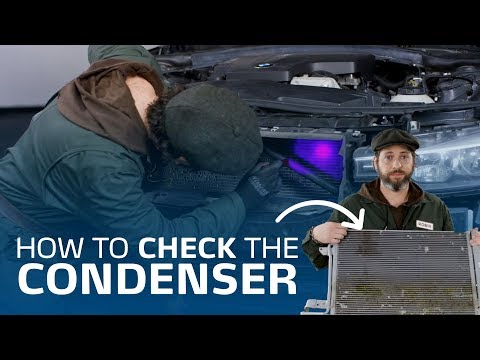
Modern Tech: Why a Radiator Repair Involves Your Car's Brain
The 2019 Honda Pilot is equipped with sophisticated technology, specifically the Honda Sensing suite. This system often includes a radar unit mounted behind the front grille or emblem.
Because the cooling stack and the radar unit share the same mounting area, a collision that damages a radiator often affects the safety sensors as well. If the cooling package is replaced, the vehicle's computer system must be scanned for fault codes. Furthermore, if the brackets holding the sensors were moved or replaced, a calibration is required. Without this precise electronic aiming, your adaptive cruise control and emergency braking systems may not function correctly.

OEM vs. Aftermarket Parts: What You Need to Know
When it comes to cooling components, the type of parts used can significantly affect the repair's longevity.
- OEM (Original Equipment Manufacturer): These parts are made by Honda specifically for your Pilot. They are guaranteed to fit the mounting brackets and handle the specific pressure requirements of your vehicle.
- Aftermarket Parts: These are third-party replacements. While often cheaper, they may have slight fitment variations. If an aftermarket condenser does not sit perfectly, it can create vibrations that lead to premature leaks.
- Recycled (Used) Parts: These are salvaged from other vehicles. While they are original equipment, their history is unknown.
Your insurance policy may dictate the use of aftermarket or recycled parts to save costs. However, you should discuss with your repair facility whether these parts meet Honda's specific requirements for airflow and sensor mounting.
What should I do if my car was hit in the front?
If you are involved in a front-end collision, do not assume the car is fine just because it still drives. Follow these steps to protect your investment:
- Check for Fluid Leaks: Look under the front bumper for puddles. Engine coolant is usually bright blue (for Honda), green, or orange with a sweet smell. AC refrigerant is often invisible but leaves an oily residue at the point of the leak.
- Request a Pressure Test: Ask your repair shop to perform a cooling system pressure test and an AC performance test as part of the diagnostic process.
- Ensure a Complete Teardown: Don't authorize cosmetic-only repairs until the shop has removed the bumper to inspect the components behind it.
- Confirm Scanning and Calibration: Ask the shop if they performed a pre-scan and post-scan of the vehicle's computers to ensure no sensors were damaged.
Conclusion: The Danger of Skin-Deep Repairs
Replacing exterior panels without evaluating the mechanical components behind them can leave a vehicle looking repaired while serious problems remain. A damaged radiator that goes unnoticed can lead to a total engine failure—a cost that insurance may refuse to cover if you have already closed your claim and the failure happens months later.
Always consult with a qualified collision repair specialist who understands the complexity of the 2019 Honda Pilot's structure. Review your insurance policy and don't be afraid to ask your shop for documentation of the mechanical inspection.
Written by Curtis Castiglione
This article is for informational purposes. Insurance coverage and repair procedures vary by state, policy, and manufacturer. Consult with your insurance provider and a certified repair professional regarding your specific situation.



No Comments Yet
Be the first to comment on this article.