Curtis.Castiglione@ROzebra.com

2019 Honda Passport Front Collision: Hidden Damage and Repair Costs
If you have been involved in a front-end collision with a 2019 Honda Passport, you might be surprised—and frustrated—when the initial estimate from your insurance company or repair shop grows significantly once the work begins. On the surface, a cracked grille or a scuffed bumper seems like a straightforward fix.
However, modern SUVs like the Passport house a complex network of cooling components, aerodynamic aids, and safety sensors directly behind that plastic exterior. Understanding the relationship between hidden damage and the insurance supplement process is essential for any vehicle owner navigating a claim.

The Reality of the Preliminary Estimate
Most insurance claims begin with a preliminary estimate, often written based on photos or a quick visual inspection. From the perspective of a repair professional, these are almost never complete. The plastic bumper covers on a 2019 Passport are designed to flex and pop back into shape, while the rigid components behind them—like the radiator support and active shutters—stay bent or broken.
The real work begins with the teardown, where the shop removes the damaged exterior parts to see what lies beneath. This is where the price usually increases because the estimator can finally document the mechanical and structural components that were obscured.
Hidden Component 1: Active Grille Shutters
One of the most common reasons for an estimate increase on a 2019 Passport is the Active Grille Shutter (AGS) system.
- What they are: These are motorized blinds located behind the main grille. They open and close to manage airflow, which improves fuel economy and helps the engine warm up faster.
- Why they break: These shutters are made of thin plastic blades and powered by a sensitive electric motor. Even a low-speed fender bender can snap the mounting tabs or strip the motor gears.
- The Insurance Conflict: Many photo-based insurance estimates miss these components because they are tucked away. Furthermore, if the motor is damaged, the vehicle may eventually throw a diagnostic trouble code (DTC) or a check engine light. This is considered mechanical damage resulting from the collision and must be documented as such to be covered.
Note: Not every Passport is equipped with this system. Your shop must identify the vehicle by its VIN and a physical inspection to confirm if you have them.
Hidden Component 2: The Radiator Support
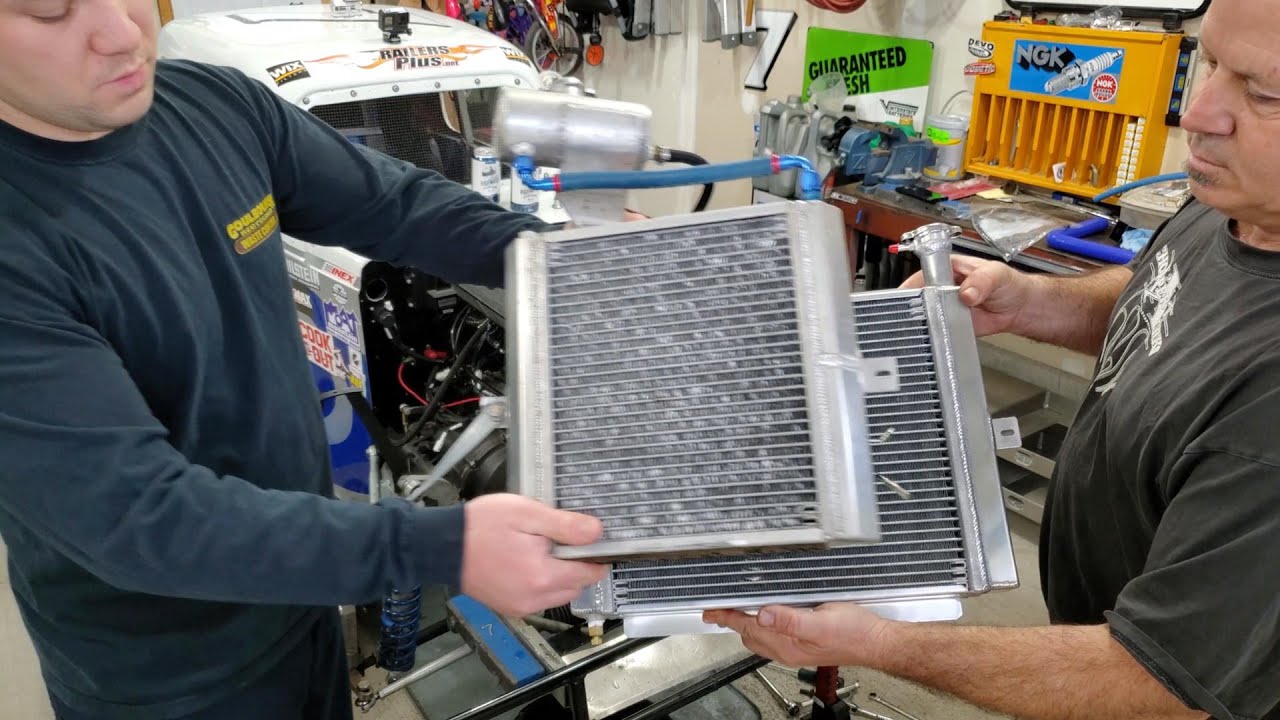
The radiator support is the structural frame that holds your cooling system and provides the mounting points for your headlights and grille.
In older vehicles, these were heavy steel components. On a 2019 Honda Passport, this structure is a sophisticated assembly designed to manage impact energy. Even if the radiator and AC condenser are not leaking, the support structure itself can become distorted.
If the support is shifted by only a few millimeters:
- New grille and headlights will not align properly.
- Gaps will appear in the bodywork, making the car look poorly repaired.
- Cooling fans may experience interference or rubbing against the shroud.
During the teardown, a technician will measure this support. If it is moved, it must be replaced or pulled back to factory specifications. This discovery is a primary driver of the insurance supplement.
The Role of Supplements in Your Claim
A supplement is an additional request for funds sent by the repair shop to the insurance company. It is a standard and necessary part of the collision repair industry. When a shop discovers hidden damage—like a cracked shutter motor or a bent radiator support—they document the damage with photographs and add the specific parts and labor to the estimate.
Parts: OEM vs. Aftermarket
The supplement process often sparks a debate over parts. Your insurance policy may mandate the use of alternative or aftermarket parts to save costs. However, for a 2019 Passport, these parts can be problematic:
- Fitment: Aftermarket radiator supports may not have the precise tolerances needed for modern headlight alignment.
- Communication: If an aftermarket active shutter assembly does not talk correctly with the Passports onboard computer, the shop will need to document this failure to justify a more expensive Honda factory (OEM) part.
ADAS and Honda Sensing Technology
The 2019 Passport often features Honda Sensing, which includes radar sensors and cameras. A hit to the front grille often requires a post-repair calibration.

This is not just a quick check. It requires specialized scan tools and specific floor space in a shop to ensure the Automatic Emergency Braking and Adaptive Cruise Control function correctly. If your estimate does not include a Pre-Repair Scan and a Post-Repair Calibration, the repair is likely incomplete.
Practical Steps: What Should You Do?
If you are researching a repair before authorizing work, follow these steps to ensure your Passport is returned to factory standards:
- Authorize a Full Teardown: Do not assume the initial estimate is the final word. Give the shop permission to remove the bumper to find the hidden damage early.
- Ask for Diagnostic Scans: Ask the facility for copies of the pre-repair and post-repair scans. These document whether the collision damaged the active shutter motor or other electronic sensors.
- Check Your Policy: Review your policy regarding hidden damage and OEM parts. While most insurers cover hidden damage once documented, their rules on part types vary by state and policy language.
- Choose the Right Shop: In most states, you have the right to choose your repair facility. Select a shop that is transparent about the supplement process and explains the mechanical necessity of each repair.
A front-end collision on a modern Honda is no longer just a body work job; it is a complex mechanical and electronic recalibration. Proper documentation is the only way to ensure your insurance company pays for a safe and complete repair.



No Comments Yet
Be the first to comment on this article.