Curtis.Castiglione@ROzebra.com

2019 Honda Accord Side-Impact Damage & Repair
By Curtis Castiglione
When a 2019 Honda Accord sustains a side-impact collision, the most visible damage is typically the dented or crushed exterior door skin. However, in the modern collision repair industry, the skin is often the least complex part of the repair. To properly restore a vehicle to its pre-accident condition, an inspector must look past the paint and metal to understand how the impact affected the internal mechanical and electrical systems.
The tenth-generation Accord is a sophisticated machine packed with safety technology, high-strength steel, and intricate electronics. What looks like a simple insurance claim can quickly evolve into a complex mechanical and electrical restoration once the door panel is removed.
Why Your Insurance Estimate Changes After the Door is Removed
It is common, and almost expected, for an initial insurance estimate to be lower than the final repair bill. This discrepancy occurs because of the gap between a visual inspection and a professional teardown.
- The Visual Estimate: Most insurance adjusters write a preliminary estimate based on what is visible from the outside. They see a dented door and write for a door shell and paint.
- The Teardown (Blueprinting): Once the car is at the repair facility, a technician performs a teardown. They remove the interior trim panel and the damaged door itself to see what lies beneath.
- The Supplement: This is the process of finding additional damage. Once the door is off, technicians often find hidden damage, such as a severed wiring harness or a bent window regulator. The shop then submits a supplement to the insurance company, which is a request for additional funds to cover these newly discovered necessary repairs.
The Hidden Mechanics: Beyond the Exterior Skin
Modern vehicles like the 2019 Accord are designed with sophisticated safety cells. Inside the door, several critical components require inspection after a side impact:
- High-Strength Steel (HSS) Reinforcement Beams: These beams are designed to protect passengers by absorbing and redirecting energy. Once these beams are compromised, the door typically requires replacement rather than repair to maintain its structural integrity.
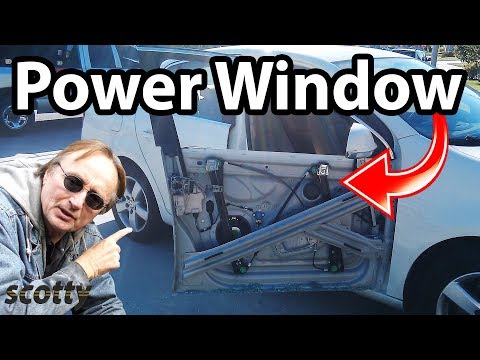
- The Window Regulator and Latch: Even if the glass is not broken, the regulator (the mechanism that moves the window) can be bent or jarred out of alignment. If the latch or the power lock actuator is damaged, the vehicle may no longer be secure.
- The Wiring Harness: A side impact can easily pinch or sever the wires that control your windows, locks, and speakers. In some cases, damage to this harness can even affect the side-impact airbag sensors.
Advanced Technology and the Need for Calibration
The 2019 Accord features Advanced Driver Assistance Systems (ADAS). Depending on the trim level, the door or the side mirrors may house sensors related to the Blind Spot Information (BSI) system.
If the impact was severe enough to affect the vehicle structure or the mounting points of the door, these sensors may require recalibration. A door that is slightly out of alignment, even by a few millimeters, can cause these sensors to see the road incorrectly. This can lead to false warnings or a failure to alert you to a vehicle in your path.
Insurance typically covers these operations, but they require a diagnostic scan of the vehicle computers to identify fault codes and ensure all systems are communicating correctly.

Navigating Parts: OEM, Aftermarket, and Recycled
One of the biggest points of discussion in an insurance claim is the type of parts used. Your insurance policy language often dictates which parts the insurer is required to pay for based on the age of the vehicle and state regulations.
- OEM (Original Equipment Manufacturer): New parts made by Honda.
- Aftermarket: Parts made by a third party.
- Recycled/LKQ: Used parts from a donor vehicle.
For a 2019 Accord, many repairers recommend OEM wiring harnesses and structural components. Aftermarket electronics can sometimes have different resistance levels, which may cause communication errors with the vehicle's central computer. If your estimate includes aftermarket electronic components, you should consult with your repair facility about potential compatibility issues.
Steps to Take Before Authorizing Repairs
If you are researching a repair for your Accord, do not just focus on the exterior paint match. To ensure your vehicle is safe and functional, follow these practical steps:
- Ask for a Blueprint: Confirm if the repair facility has performed a full teardown. You want to ensure the internal regulator, latch, and wiring were inspected before parts were ordered.
- Verify a Post-Repair Scan: Ensure the shop performs a diagnostic scan after the repair is complete. This confirms that the new door components and sensors are communicating correctly with the vehicle's central computer.
- Check All Functions at Pickup: Before leaving the shop, roll the window all the way down and up. Test the power locks and ensure the door opens and closes with the same ease as the undamaged doors.
- Review the Supplement: If the final cost was higher than the initial estimate, ask the shop to explain what hidden damage was found. This documentation is important for your vehicle's service history.
Summary
A side-impact collision involves more than just bodywork; it is a mechanical and electrical repair. While your insurance company is responsible for covering the cost of the loss according to your policy, it is your responsibility as the owner to ensure the repair facility is looking deep enough into the vehicle's systems. By prioritizing manufacturer-recommended repair procedures, you ensure your Accord remains as safe as the day it left the factory.
Disclaimer: Insurance coverage and state laws vary significantly. Always review your specific policy and consult with a qualified collision professional or your insurance representative regarding your claim.



No Comments Yet
Be the first to comment on this article.