Curtis.Castiglione@ROzebra.com

2019 Honda Accord Rear-End Collision Damage Guide
By Curtis Castiglione
If you own a 2019 Honda Accord that has been hit from behind, your first instinct might be to look at the plastic bumper cover and assume the damage is minor. However, modern vehicles like the tenth-generation Accord are designed with complex energy-management systems. What looks like a simple scuff often hides structural, mechanical, and electronic issues that can affect the safety and value of your car.
Understanding how these vehicles are inspected and repaired will help you navigate the insurance claim process and ensure your car is returned to pre-accident condition.
Why did my estimate change after the bumper was removed?
Most insurance claims begin with a preliminary estimate, often written from photographs sent through a mobile app. These estimates are almost always incomplete because cameras cannot see through plastic or steel.
On a 2019 Honda Accord, the outer bumper cover is made of a flexible polymer designed to "pop" back into shape after a low-speed impact. While the plastic might look fine, the components underneath—the impact bar, the rear structure, and the exhaust—absorb the actual force of the collision.

A professional repair facility performs what is called a teardown. This involves removing the bumper cover to inspect the rear body panel, the trunk floor, and the frame rails. If the impact bar is crushed or the mounting points are bent, the repair cost will increase. This leads to a supplement, which is a request sent by the repair shop to the insurance company to cover the additional parts and labor discovered during the physical inspection.
Does insurance cover exhaust damage if there is no noise?
Yes, insurance typically covers mechanical damage resulting from a collision, but it must be documented.
The 2019 Honda Accord features an exhaust system that runs the length of the underbody. In a rear-end collision, the exhaust tips or the muffler can be pushed forward. Even if the exhaust is not leaking or making a loud noise, the impact can:
- Bend or stress exhaust hangers.
- Crack or displace heat shields.
- Put significant stress on the exhaust manifold and catalytic converter located near the engine.
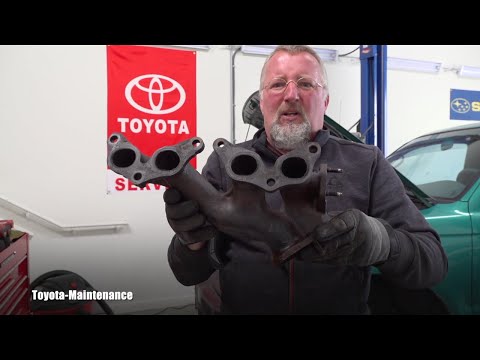
If the exhaust system is shoved forward even an inch, it can cause vibrations or long-term fatigue on engine mounts. A qualified technician should check the alignment of the entire exhaust path. If your insurance estimate does not include an inspection of the underbody, you should specifically ask the shop to document any displacement of the exhaust components.
The Complexity of Sensors and ADAS Systems
The 2019 Honda Accord is equipped with Honda Sensing technology. Depending on your trim level, there may be Blind Spot Information (BSI) radar sensors located behind the corners of the rear bumper.
These sensors are highly sensitive. Even if the sensor itself isn't hit, the vibration of the impact or a slightly bent mounting bracket can cause the system to fail or provide inaccurate data. Honda specifies that if certain structural repairs are made, or if sensors are removed and reinstalled, a calibration must be performed.
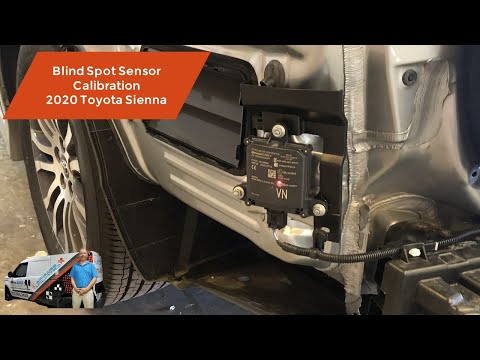
Calibration is a digital diagnostic procedure where a technician uses specialized software and targets to ensure the sensors are aimed correctly. While most insurance policies cover these "scans" and "calibrations," they are almost never included on initial photo-based estimates.
Structural Integrity and High-Strength Steel
The 2019 Accord utilizes a mix of high-strength and ultra-high-strength steel in its Advanced Compatibility Engineering (ACE) body structure. This steel is designed to protect the cabin by deforming in specific ways to dissipate energy.
However, this material often cannot be "pulled" or straightened like the mild steel used in older vehicles. If the rear structure or trunk floor is kinked, Honda’s repair procedures may require the replacement of the entire panel rather than a repair. Attempting to straighten ultra-high-strength steel can weaken it, compromising the car's safety in a future accident.
Using Recycled or Aftermarket Parts vs. OEM Parts
One of the biggest points of disagreement in insurance claims is the type of parts used. Your insurance policy likely contains language allowing the use of "Like Kind and Quality" (LKQ) or aftermarket parts.
- OEM (Original Equipment Manufacturer): New parts made by Honda.
- Aftermarket: New parts made by a third party.
- Recycled/LKQ: Used parts salvaged from another vehicle.
Honda provides specific repair position statements regarding the use of aftermarket parts, especially when they might interfere with radar sensors or structural integrity. You should review your policy to see if you have an "OEM parts endorsement" or if you will be responsible for the price difference if you insist on new factory parts.
What happens if the trunk floor is damaged?
If the impact was hard enough to buckle the trunk floor, the repair becomes significantly more involved. Because the 2019 Accord is a unibody vehicle, the trunk floor is a structural member.
Repairing a trunk floor requires:
- Removing interior trim, carpeting, and wiring harnesses.
- Potential removal of the rear glass to prevent breakage during structural pulling.
- Precise welding and seam sealing to prevent future water leaks and corrosion.
Improper repairs in this area can lead to musty odors, wind noise, and a loss of structural rigidity.
What should I do if I suspect hidden damage?
First, do not assume the insurance company’s initial check is the final word on the cost of the repair; it is merely a starting point. Second, choose a repair facility that is familiar with Honda’s specific repair procedures and has the equipment to perform electronic diagnostics.
Ask the shop the following questions before authorizing repairs:
- Did you put the vehicle on a lift to inspect the exhaust system and floor pan for displacement?
- Are there any fault codes or alignment issues in the blind spot monitoring (BSI) system?
- Does the rear body panel require a pull on a frame rack, or does the manufacturer require replacement?
- Will the ADAS (Honda Sensing) systems require recalibration after the bumper is replaced?
Owner Responsibility and Diminished Value
While the insurance company pays for the repairs (minus your deductible), you are the person authorizing the work. You have the right to choose your repair facility in most states.
Additionally, because a 2019 Honda Accord is a modern and valuable vehicle, a significant collision record can lead to diminished value. This is the loss in market value a vehicle suffers even after it has been perfectly repaired. You may want to consult a professional to see if a diminished value claim is appropriate for your situation, though coverage for this varies by state and policy type.
In summary, a rear-end collision on a 2019 Honda Accord is rarely as simple as it looks. By ensuring a thorough teardown and insisting on a mechanical inspection of the exhaust and electronic sensors, you protect both your safety and your financial investment. Always consult your policy and work closely with a technician who prioritizes manufacturer-recommended repair procedures over insurance company shortcuts.



No Comments Yet
Be the first to comment on this article.