Curtis.Castiglione@ROzebra.com

2019 GMC Acadia Side Impact: Hidden Damage and Repair Costs
When a 2019 GMC Acadia sustains a side impact, the visible dent in the door is often the least expensive part of the equation. To the untrained eye, a side-swipe or a low-speed T-bone collision looks like a simple matter of swapping a door shell and applying some paint. However, modern SUVs like the Acadia are engineered with complex structural reinforcements and intricate electrical networks that make side-impact repairs significantly more involved than they were a decade ago.
If you are looking at a repair estimate and wondering why the numbers are so high, or if you are preparing to file an insurance claim, you need to understand the relationship between the exterior sheet metal and the critical systems hidden beneath it.
Why did my estimate change after the shop took the car apart?
The most common point of frustration for vehicle owners is the supplement process. Insurance adjusters often write an initial estimate based only on what they can see from the outside. This is known as a preliminary estimate.
Once a qualified technician begins the teardown—removing the interior door panels, the weatherstripping, and the rocker molding—hidden damage is almost always discovered. On a GMC Acadia, a side impact often pinches the wiring harness that runs through the door jamb or crushes the window regulator tracks inside the door cavity. These items cannot be accurately assessed until the door is disassembled. When the shop finds this damage, they submit a supplement to the insurance company to cover the additional parts and labor.
The Critical Role of the Rocker Panel
The rocker panel is the structural beam located below the doors. It is one of the most rigid parts of the vehicle frame because it is designed to prevent the cabin from collapsing during a crash.
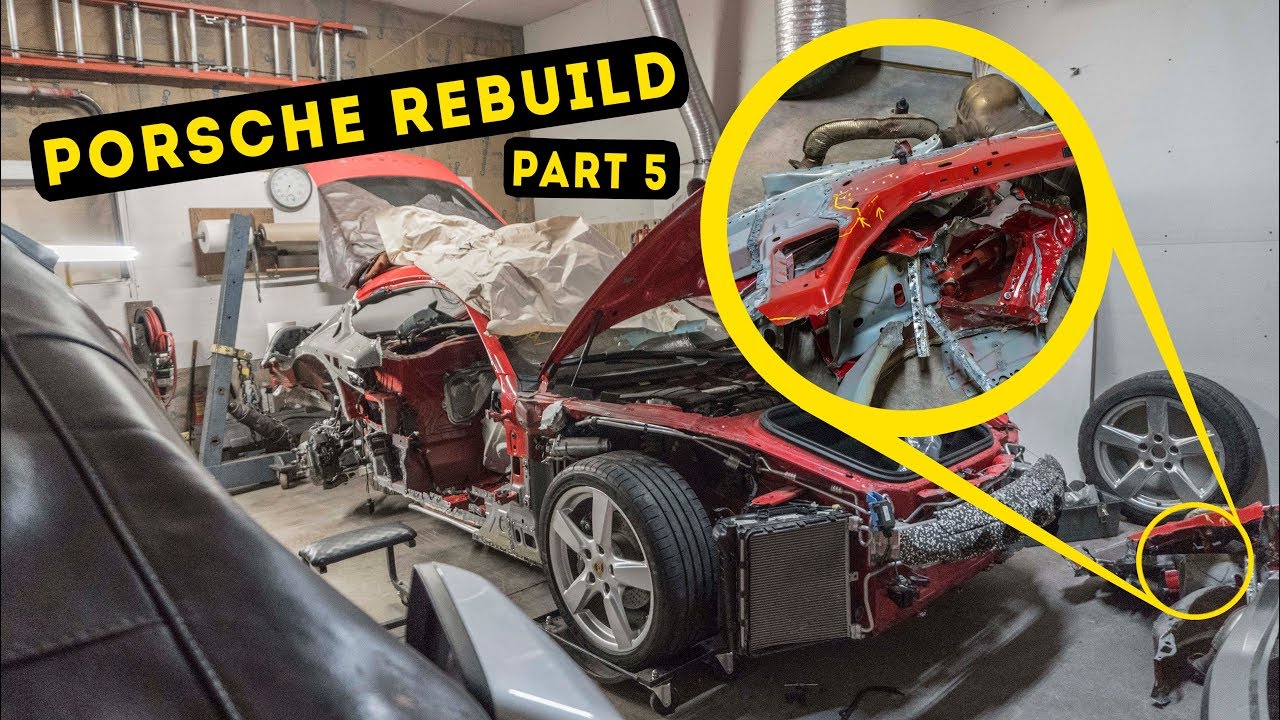
- Structural Integrity: The 2019 Acadia utilizes high-strength steel in its structural reinforcements. If the rocker panel is physically deformed, it isn't just a cosmetic issue; it's a safety issue.
- Frame Alignment: If the impact was low enough to dent this area, a technician must measure the vehicle on a frame rack to ensure the unibody is still in alignment.
- Safety Systems: If the rocker is compromised, it can affect how the doors latch and, more importantly, how the side-curtain airbags deploy in a future accident.
Repairing this area often requires specialized pulling equipment or, in severe cases, sectioning (cutting and replacing) a new structural component according to General Motors' specific repair procedures.
The Smart Door: Wiring, Sensors, and ADAS
A door is no longer just a piece of metal with a handle. In a 2019 Acadia, the door houses a complex wiring harness that controls power locks, window motors, heated mirrors, and side-impact sensors.

During a collision, the force of the impact can pinch these wires against the inner steel bracing. Even if the windows work immediately after the crash, a pinched wire can lead to intermittent electrical failures, parasitic battery drains, or communication errors with the vehicle’s main computer (the Body Control Module).
This is why a professional repair includes a pre-repair and post-repair diagnostic scan. This allows the technician to identify fault codes in the electrical system that aren't visible via a dashboard warning light. This is especially critical for vehicles equipped with blind-spot monitoring radar units or other Advanced Driver Assistance Systems (ADAS).
Window Glass and Regulator Alignment
Even if the window glass did not shatter, the internal regulator—the mechanical arms that move the glass up and down—may be bent. A slight misalignment in the regulator can cause the window to bind, move slowly, or create wind noise at highway speeds.

After a side impact, the window should be tested through its full range of motion. If there is any grinding or hesitation, the internal components likely need replacement. Insurance companies generally cover these mechanical repairs if they can be tied directly to the impact, which is why documenting the intrusion pattern of the damaged metal is vital.
Does insurance cover OEM parts or aftermarket parts?
This is a variable issue that depends on your specific insurance policy and state regulations.
- LKQ (Like Kind and Quality): Many policies allow the use of recycled doors from a salvage yard. For a 2019 Acadia, using a recycled door can actually be a benefit because it often comes as a factory-assembled unit.
- Aftermarket: These are parts made by a third party. If an insurance company specifies an aftermarket door shell, the shop must transfer all your original internal components (wiring, glass, latch) into that new shell. This is a labor-intensive process, which is why labor hours on an estimate can sometimes exceed the cost of the parts themselves.
- OEM (Original Equipment Manufacturer): These are new parts from GMC. Some policies have an OEM endorsement that guarantees these parts, while others may require you to pay the price difference.
What should I do if I disagree with the repair plan?
If you feel the repair is not addressing structural concerns like the rocker panel or electrical glitches, you have the right to discuss the manufacturer's repair procedures with the shop.
General Motors provides specific Position Statements regarding how their vehicles should be repaired. You should ask your repair facility if they are following the OEM guidelines for structural pulls and electronic calibrations. If there is a disagreement between the shop and the insurer, you may need to consult your policy's Appraisal Clause, though this varies significantly by state.
Practical Steps for the Vehicle Owner
- Demand a Teardown: Ensure the shop performs a complete disassembly before the final insurance settlement is reached. This prevents hidden costs from falling on you later.
- Document the Intrusion: Take your own photos of the damage, especially showing how deep the dent goes. This helps prove that internal wiring and structural components were likely affected.
- Post-Repair Testing: Once you pick up the vehicle, test every button on the affected door. Check the locks, window switches, and mirror adjustments. Listen for wind noise or whistling while driving at higher speeds.
- Review the Policy: Insurance coverage, deductibles, and parts requirements vary. Always review your policy and consult with a certified collision professional to understand the specific requirements for your vehicle and jurisdiction.
Repairing a side impact on a modern SUV is a multi-stage process involving bodywork, mechanical repair, and digital diagnostics. By understanding that the rocker panel and internal wiring are just as important as the exterior paint, you can ensure your 2019 GMC Acadia is returned to its pre-accident safety standards.



No Comments Yet
Be the first to comment on this article.