Curtis.Castiglione@ROzebra.com
2019 Ford F-250 Rear Collision and Hitch Inspection Guide
If your 2019 Ford F-250 Super Duty has been rear-ended, you might be looking at a bumper that appears slightly pushed in or a trailer hitch that looks perfectly straight. In many cases, owners are surprised when a seemingly minor "fender bender" results in a repair estimate totaling thousands of dollars.
The primary question vehicle owners ask is: Why is the repair cost so high when the damage looks so small?
The answer lies in how heavy-duty trucks are engineered to handle towing loads and collision energy. On an F-250, the trailer hitch is not just a bolt-on accessory; it is a structural component tied directly to the frame. When an impact occurs, the hitch receiver acts as a lever, transferring the force of the collision past the bumper and directly into the frame mounting points.
The "Lever Effect": How Hitches Transfer Damage
In a standard passenger car, the bumper reinforcement and plastic crush zones are designed to deform and absorb impact energy. However, on a 2019 F-250 equipped with a heavy-duty tow package, a hit to the trailer hitch bypasses those traditional energy-management systems.
Because the hitch is a rigid steel structure, it does not crush. Instead, it shoves. Even a low-speed impact can pull or twist the frame rails. When a repair facility begins an inspection, they are looking for more than just dented chrome.
A professional teardown involves removing the rear bumper assembly to inspect:
- The Bumper Reinforcement: The inner structure that provides strength and supports the outer shell.
- Hitch Mounting Hardware: Checking for stretched or fatigued bolts. Many modern F-Series trucks use torque-to-yield hardware that cannot be safely reused once stressed.
- The Frame Web: Looking for buckles, ripples, or cracks in the steel where the hitch attaches to the frame rails.
- Mounting Holes: Checking if the force elongated the bolt holes in the frame, which compromises future towing safety and structural integrity.
Why Did My Insurance Estimate Change After the Teardown?
It is common for an initial insurance estimate to be significantly lower than the final repair bill. This is because insurance adjusters often write field estimates based only on what is visible from the exterior. They may see a scratched bumper but cannot see a bent hitch reinforcement or a buckled spare tire crossmember hidden behind it.
Once the vehicle is at a repair facility, the shop will perform a supplement process. This involves documenting hidden damage with photographs and manufacturer repair procedures to submit to the insurance company.
For example, if the hitch receiver is bent even slightly, Ford’s service guidelines generally recommend replacement rather than repair. This ensures the vehicle maintains its original Gross Combined Weight Rating (GCWR). If your insurance policy allows for Original Equipment Manufacturer (OEM) parts, the shop will advocate for a factory hitch to ensure the safety and liability of your future towing endeavors.
Modern Tech: Sensors, ADAS, and Calibration
Modern F-250s are more than just steel and high-strength aluminum; they are sophisticated rolling computers. Most Super Duty trucks are equipped with advanced driver assistance systems (ADAS) that include:
- Blind Spot Information Systems (BLIS): Sensors often located in the taillights or near the rear corners of the vehicle.
- Rear Parking Sensors: Ultrasonic sensors mounted directly in the bumper face.
- Rearview Cameras: Integrated into the tailgate or handle assembly.
Even if the sensors appear intact, the brackets holding them may be shifted, or the wiring harness may be pinched between the bumper and the frame. A proper repair requires a diagnostic scan to check for fault codes and may require recalibration. If these sensors are off by even a few millimeters, your safety systems may provide false alerts or fail to detect a vehicle in your blind spot while towing.

Critical Questions for the Vehicle Owner
When researching your repair or talking to a collision center, ask these specific questions to ensure your truck is being returned to factory safety standards:
- Was the receiver inspected for squareness? A hitch that is diamonded (pushed to one side) can cause a trailer to dog-track down the highway, leading to dangerous handling.
- Were the frame mounting points checked? Ensure the shop looked for sway or sag in the rear frame rails using computerized measuring equipment.
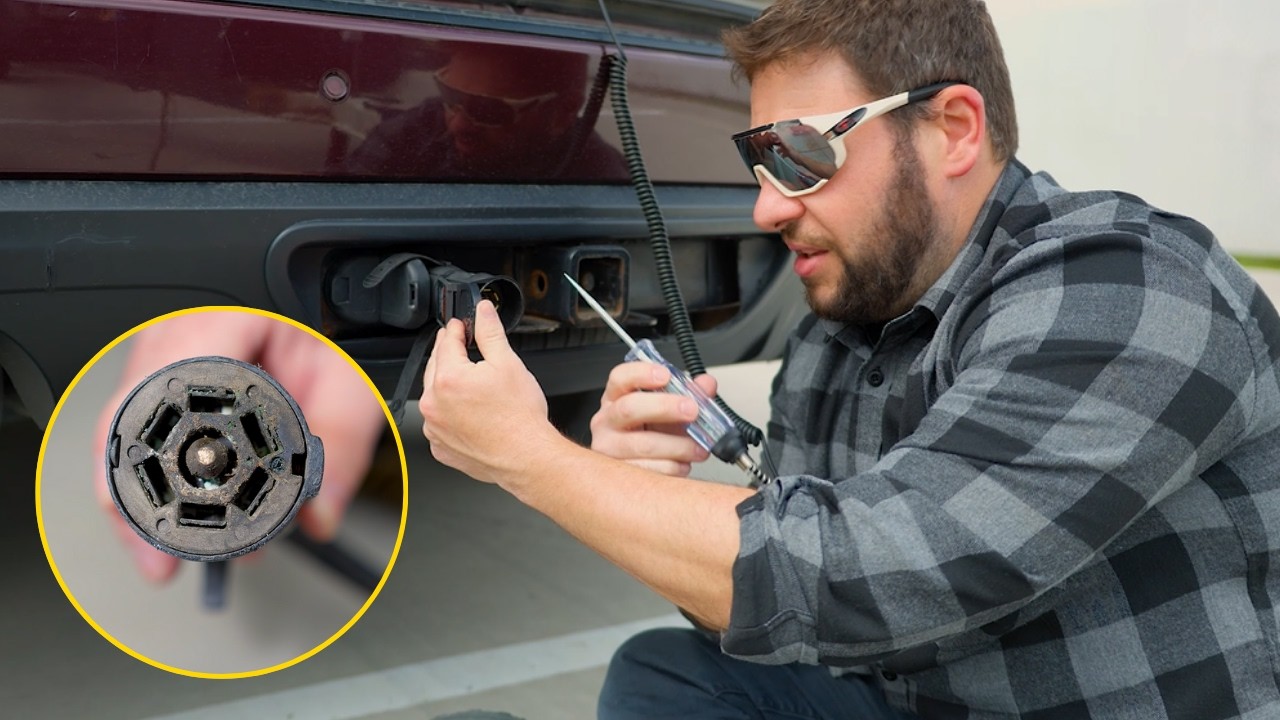
- Was the trailer connector tested? The electrical plug for your trailer is often mounted to the bumper or hitch. An impact can crack the internal plastic or fatigue the wiring, leading to trailer light failure months later.
- Is the spare tire carrier functional? The winch mechanism that holds your spare tire is located in the rear sub-structure. An impact can jam this mechanism, leaving you stranded with a flat tire you cannot reach.
Common Mistakes: The Visual Check
One of the biggest mistakes an owner can make is accepting a visual check of the hitch. Just because a trailer ball still fits in the receiver does not mean the hitch is safe. If the internal structure has been fatigued, the hitch could fail under the stress of a heavy load.
Another often-overlooked factor is Diminished Value. A heavy-duty truck with a history of structural or frame repair may have a lower resale value than an undamaged version. Depending on your state laws and the specifics of the accident, you may be entitled to a diminished value claim through the at-fault party's insurance.
Final Verification Before You Tow
Before you sign off on the repairs and return your F-250 to service, perform a final walk-around:
- Alignment: Ensure the bumper is correctly aligned with the bed sides and the tailgate opens and closes without rubbing.
- Frame Documentation: If the shop performed frame repairs, ask for a copy of the computerized frame alignment report. This document proves that the truck's dimensions have been restored to factory specifications.
- Circuit Test: Ask the shop if they performed a pin-out test on the trailer wiring to ensure 12V power and lighting circuits are active.
On a heavy-duty pickup, the towing hardware must be treated as a critical safety component. While insurance policies vary and you should always review your specific policy regarding parts and coverage, it is the responsibility of the repair facility to identify the full extent of the damage to keep you safe on the road. Written by Curtis Castiglione.



No Comments Yet
Be the first to comment on this article.