Curtis.Castiglione@ROzebra.com

2019 Ford F-150 Rear-End Collision: Hidden Damage and Tech Repairs
If you drive a 2019 Ford F-150 and have been involved in a rear-end collision, you may be surprised to see an initial insurance estimate that seems low—perhaps only covering a bumper replacement. However, once the truck arrives at a professional collision center, that estimate often doubles or triples.
This isn’t insurance gamesmanship or a shop trying to overcharge. Rather, it is the reality of how modern trucks—specifically those with aluminum-alloy bodies and integrated technology—handle impact energy. Understanding the relationship between the bumper, the bed, and the safety electronics is essential for navigating your insurance claim.
Why did my insurance estimate change after the shop started working?
The most common question owners ask is why the final bill is so much higher than the initial estimate. Insurance adjusters typically write a visual estimate based on what can be seen without taking the vehicle apart. In a rear-end hit, the chrome or painted bumper cover might only show a small dent or scratch. However, the bumper is merely the outer aesthetic layer.
Once a technician performs a teardown—the process of removing the bumper and trim—they often find:
- Bent Bumper Brackets: These are designed to sacrifice themselves to protect the frame.
- Damaged Bumper Reinforcements: The heavy bar behind the cover that actually absorbs the hit.
- Electrical Harness Damage: Wiring for backup sensors and towing plugs that was pinched during the impact.
When these items are discovered, the shop submits a supplement to the insurance company. This is a standard part of the collision repair process where the shop requests additional funds for parts and labor that were hidden during the first inspection.
Can a rear-end hit affect my truck bed and tailgate alignment?
Yes. The 2019 Ford F-150 features an aluminum-alloy body mounted to a high-strength steel frame. While this makes the truck lighter and rust-resistant, aluminum reacts differently to stress than steel.
Even if the vehicle that hit you never touched your tailgate, the force of the impact travels through the bumper and into the frame. This energy can cause the entire pickup bed to shift on its mounting bolts.
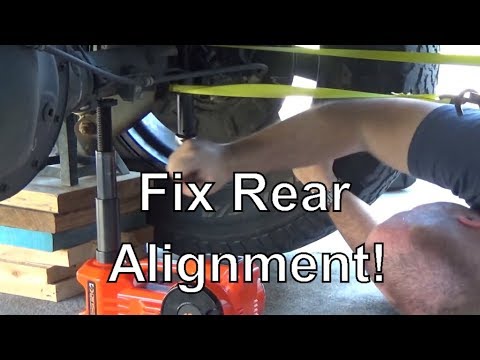
Common signs of bed and tailgate misalignment include:
- The tailgate is harder to open or requires a slam to close.
- The gaps (the space between the tailgate and the bedside) are wider at the top than the bottom.
- The bed is no longer perfectly aligned with the cab of the truck.
Technicians must check the bed-to-cab alignment. If the bed has shifted, it requires mechanical labor to loosen the mounting hardware, realign the structure to factory specifications, and re-torque the bolts. If this step is skipped, your tailgate hinges and latches will wear out prematurely.
What happens to the backup camera and ADAS sensors?
On the 2019 F-150, the backup camera is usually housed in the tailgate handle assembly. If your tailgate was damaged or even just removed for painting, the camera system must be addressed.
Modern trucks are equipped with Advanced Driver Assistance Systems (ADAS). This includes backup cameras, proximity sensors in the bumper, and sometimes 360-degree bird’s-eye view systems.

- Diagnostics: After a collision, a shop should perform a Pre-Repair Scan to see if the sensors are communicating correctly.
- Calibration: If a camera or sensor is replaced—or even if the mounting position is slightly altered by a bent bracket—the system may need to be calibrated. This is a technical process using specialized software to ensure the guidance lines on your screen actually reflect where the truck is headed.
If your camera looks grainy or the Object Detected beeps seem delayed after a repair, the system likely requires a professional calibration that was missed during the initial estimate.
Can I choose between OEM and aftermarket parts?
This is a frequent point of contention. Your insurance policy is a contract, and in many cases, it allows the insurance company to specify Aftermarket parts (made by a third party) or LKQ (Like Kind and Quality/Recycled) parts.
- OEM (Original Equipment Manufacturer): Parts made by Ford specifically for your vehicle.
- Aftermarket: New parts made by a company other than Ford.
- Recycled/LKQ: Used parts sourced from a salvage yard.
While insurance companies prefer the lower cost of aftermarket or recycled parts, Ford often issues Position Statements recommending OEM parts for structural integrity and sensor compatibility. You should check your policy for an OEM Parts Choice endorsement. Regardless of which parts are used, the repair shop is responsible for ensuring the fit and finish meet professional standards.
What should I do if my truck feels different after the repair?
If you pick up your truck and the tailgate feels heavy, the gaps look off, or the backup camera isn't clear, the repair is not complete.
Practical steps for the F-150 owner:
- Inspect the Gaps: Look at the space between the bumper and the bed, and the tailgate and the bedsides. They should be uniform and match the factory appearance.
- Test the Tech: Engage the backup camera and parking sensors in a safe environment before leaving the shop.
- Ask for the Scan Report: Request documentation of the Post-Repair Scan to prove all electronic modules are clear of fault codes.
- Review the Supplement: Ask the shop to explain what hidden damage was found during the teardown and ensure it was actually repaired.
- Consider Diminished Value: If your late-model F-150 sustained significant structural or bed damage, its resale value may be affected even after a perfect repair. You may want to consult a professional regarding a diminished value claim.
A rear-end collision on a modern F-150 involves much more than just a bumper. By ensuring your shop checks the bed alignment, performs a full teardown, and calibrates the safety electronics, you can ensure your truck is as safe and functional as it was the day it left the factory.
Written by Curtis Castiglione



No Comments Yet
Be the first to comment on this article.