Curtis.Castiglione@ROzebra.com

2019 Ford Explorer Rear-End Collision Repair Guide
By Curtis Castiglione
If you own a 2019 Ford Explorer and were recently involved in a rear-end collision, you might be surprised to find that the final cost of repairs is significantly higher than the initial estimate provided by your insurance company. This is not necessarily a sign of a dishonest shop; rather, it is a common reality in the collision repair industry, particularly with modern SUVs that pack a significant amount of technology and structural complexity behind a plastic bumper cover.
Why Did My Estimate Change After the Repair Started?
The primary reason an estimate changes is the difference between a visual inspection and a physical teardown. Many insurance companies now write initial estimates based on photographs uploaded through a mobile app. While this is convenient, a camera cannot see through the plastic bumper cover or beneath the interior trim of your liftgate.
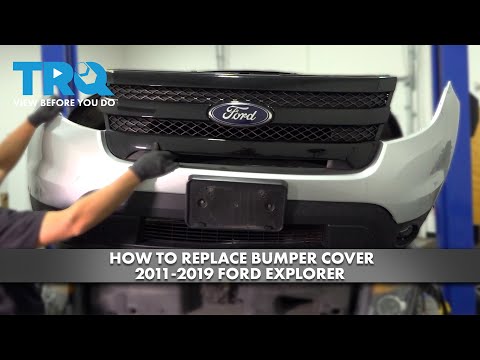
On a 2019 Ford Explorer, the rear bumper cover is made of a poly-plastic designed to flex. In a low-to-mid-speed impact, the cover often pops back into its original shape, masking serious damage underneath. Once a technician removes the bumper—a process known as teardown or blueprinting—we often find:
- Crushed Bumper Reinforcement: The metal bar designed to absorb impact energy is often bent or collapsed.
- Damaged Mounting Brackets: These hold the bumper in the correct position; if they are tweaked, the bumper will never align correctly.
- Rear Body Panel Deformation: The actual frame-like structure of the vehicle may be pushed inward, requiring structural pulling or replacement.
When these items are discovered, the shop submits a supplement. This is a formal request sent to the insurance company to add newly discovered damage and the necessary labor operations to the original claim.
The Hidden Complexity of the Rear Liftgate
The liftgate on a 2019 Explorer is more than just a piece of sheet metal; it is a complex assembly of electronics and precision-aligned hardware. It contains the backup camera, license plate lights, rear wiper motor, and the electronic latching mechanism for power-liftgate functions.
Even if the liftgate appears to open and close normally after an accident, the impact can nudge the hinges out of alignment or slightly deform the rear roof pillars where the hinges attach. If these structural points are even a few millimeters out of place, it can lead to:
- Water leaks during rain or car washes.
- Excessive wind noise at highway speeds.
- Premature failure of the power-liftgate motor due to increased resistance.
A professional repair facility will check the gaps and flushness of the door against the body to ensure the vehicle’s structural integrity is restored to Ford’s original specifications.
Sensors, Cameras, and ADAS Calibration
Modern vehicles are equipped with Advanced Driver Assistance Systems (ADAS). In the rear of a 2019 Explorer, this includes the backup camera and ultrasonic parking sensors embedded in the bumper.
A common misconception is that these parts can simply be plugged back in like a household appliance. However, Ford often requires these systems to be calibrated after they have been removed or if the mounting surface (the bumper) has been repaired or replaced.
- Digital Aiming: If the camera is disturbed, it may require a digital aiming procedure to ensure the lines on your screen accurately represent where the car is heading.
- Diagnostic Scans: Shops should perform a pre-scan to identify hidden fault codes and a post-scan to ensure every safety system is communicating correctly before the car is returned to you.

These calibrations require specialized tools and software, adding labor costs that are almost never included in a preliminary photo-based insurance estimate.
Parts Selection: OEM, Aftermarket, and Recycled
When the estimate is revised, you will likely see a discussion regarding the type of parts used. Your insurance policy—not the repair shop—usually dictates what the insurance company will pay for:
- OEM (Original Equipment Manufacturer): New parts made by Ford.
- Aftermarket: Parts made by a third-party company.
- Recycled: Used parts taken from a donor vehicle in a salvage yard.
While aftermarket parts are cheaper, they may not always fit the complex contours of the Explorer’s rear body as perfectly as OEM parts. Furthermore, Ford has specific position statements regarding the repairability of high-strength steel components in the rear structure. If a shop insists on an OEM part for safety reasons and the insurance company only pays for aftermarket, the owner may be responsible for the price difference. This is often referred to as a short-pay situation.
Who Pays for the Extra Repairs?
In most cases, the insurance company will pay for the hidden damage found during teardown, provided the shop documents the damage with photos and follows manufacturer repair procedures.
However, it is important to remember that you are the customer of the repair shop, not the insurance company. You are the one who authorizes the repairs. If there is a disagreement between the shop’s repair methods (based on Ford’s recommendations) and the insurance company’s willingness to pay, you may need to consult your policy to see if you have an appraisal clause or other means of resolving the dispute.
What Should You Do Before Authorizing Repairs?
If you are researching a repair for your 2019 Ford Explorer, follow these practical steps to ensure a safe and complete repair:
- Insist on a Teardown: Do not allow the shop to order parts based only on the insurance company's initial photo estimate. Ensure they take the bumper off to see what is actually broken.
- Check the Rear Wiring: Ask the technician to inspect the wiring harness tucked behind the bumper. Pinched or frayed wires can cause intermittent electrical issues months after the repair is finished.
- Confirm Scans and Calibrations: Ask the shop for a copy of the pre-scan and post-scan reports. This is your proof that the safety electronics are functioning as intended.
- Review Your Policy: Understand your deductible and your rights regarding shop choice. In most states, you have the right to choose the repair facility you trust, regardless of which shop the insurance company suggests.
By understanding that the initial estimate is just a starting point, you can better prepare for the reality of modern collision repair and ensure your Ford Explorer is returned to you in a safe, roadworthy condition.
Disclaimer: Insurance policies and state laws vary significantly. Review your specific policy and consult with your insurance company and a qualified repair professional regarding your claim.



No Comments Yet
Be the first to comment on this article.