Curtis.Castiglione@ROzebra.com
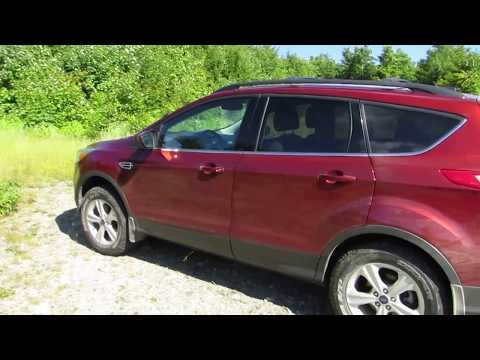
2019 Ford Escape Rear-Corner Collision Repair Guide
It is a common scenario for many 2019 Ford Escape owners: you back into a parking bollard or get tapped in a low-speed rear-end collision. At first glance, the damage seems minor—perhaps a cracked tail lamp and a scuff on the bumper. You file a claim, send photos to your insurance company through an app, and receive an initial check for a few hundred dollars.
Then, you take the vehicle to a professional collision center. Two days later, the shop calls to tell you the actual repair cost has tripled.
This discrepancy is rarely a sign of a shop trying to overcharge you. Instead, it reflects the reality of modern vehicle construction and the sophisticated technology hidden behind the "skin" of your Ford Escape. Understanding the relationship between visual damage, hidden components, and insurance supplements is key to ensuring your vehicle is returned to a safe, roadworthy condition.
The Visual-Only Estimate vs. The Teardown
The most important thing to understand about an initial insurance estimate is that it is often a visual-only document. Adjusters or photo-estimating software can only write for what they can see. They cannot see through plastic bumper covers or behind exterior sheet metal.
In the collision industry, we use a process called the Supplement. Once your vehicle is at the shop, a technician will perform a teardown—removing the bumper cover, the tail lamp, and the interior trim. This reveals the true extent of the damage. The shop then documents these findings with photos and part prices, submitting a supplemental request to the insurance company to cover the additional costs.

Hidden Technology Behind the Quarter Panel
The rear corner of a 2019 Ford Escape is a high-tech hub. While the outer bumper is just plastic, the area directly behind it contains critical safety systems.
1. Blind Spot Information System (BLIS)
Many 2019 Escape trim levels are equipped with radar-based blind-spot sensors. These sensors are mounted on brackets attached to the lower quarter panel, tucked just behind the bumper corner.
- The Problem: Even a minor impact that doesnt crack the bumper can bend the mounting bracket or jar the sensor.
- The Consequence: If the sensor is misaligned by even a few millimeters, it will not "aim" correctly. This can cause the system to fail to detect a vehicle in your blind spot or trigger "ghost" warnings, creating a significant safety hazard.

2. The Integrated Tail Lamp Assembly
On a modern Escape, the tail lamp is not just a plastic lens with a bulb. It is a sealed electronic component integrated into the vehicle’s communication network.
- The Problem: The lens may look perfect, but the plastic mounting tabs or the electrical connector behind it may be snapped.
- The Consequence: A lamp with broken tabs will eventually vibrate loose, causing "chatter" noises, or worse, allowing water to leak into the inner quarter panel. Moisture in this area can lead to the premature failure of the expensive blind-spot radar or cause corrosion in the wiring harness.

3. Wiring Harness Integrity
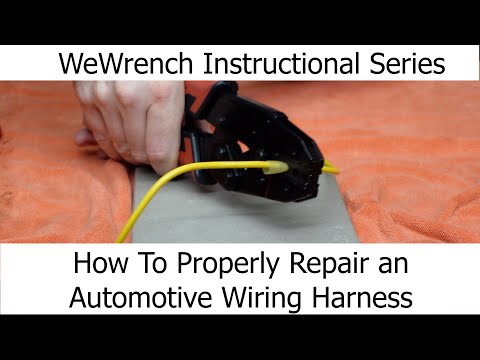
The wiring harness that powers your lights and sensors is often routed between the inner structure and the outer quarter panel. In a collision, these wires can be pinched, stretched, or crushed.
- The Reality: A "pinched" wire might work today but fail months from now due to internal resistance or corrosion. A professional repair requires a full inspection of the harness to ensure no conductors are compromised.
Structural Concerns: Inner Quarter Damage
The "quarter panel" is the metal body part that wraps around the rear side of the vehicle. However, beneath that visible panel is the inner quarter structure—the skeleton of the vehicle. If the impact was strong enough to dent the metal, it may have moved the inner structure. This can affect:
- Liftgate Alignment: If the inner structure is even slightly out of place, your rear liftgate may not close properly, leading to air and water leaks.
- Bumper Reinforcement: The steel or aluminum bar behind the plastic cover is designed to absorb energy. Once it is bent, its ability to protect you in a subsequent accident is compromised.
The Necessity of Diagnostics and Calibration
In the past, you fixed the metal, painted it, and the job was done. With a 2019 Ford Escape, the repair is not complete until the electronics are verified.
- Pre- and Post-Repair Scans: Shops use diagnostic tools to communicate with the car's computers. A pre-scan identifies existing faults caused by the crash, while a post-scan ensures all systems are communicating correctly after the repair.
- ADAS Calibration: If a blind-spot sensor was replaced or the mounting area was repaired, the system must be calibrated. This is a specialized labor operation where a technician uses software to "teach" the sensor its exact position on the vehicle. Insurance companies may initially omit this from an estimate, but it is a non-negotiable safety requirement according to manufacturer procedures.
Practical Steps for the Vehicle Owner
If you are researching a repair for your Ford Escape, do not authorize a "quick fix." To ensure your vehicle is repaired correctly, ask your collision center these four questions:
- Was the inner quarter panel inspected? Ensure they looked behind the exterior metal for structural movement or damage to mounting points.
- Did you inspect the tail lamp mounting tabs and harness? Don’t assume a visually "clean" lamp is a functional one.
- Is a calibration required for the Blind Spot Information System? If the sensor area was touched or the sensor was replaced, ask for the manufacturer's documentation regarding calibration.
- How are you handling the insurance supplement? A reputable shop will handle the documentation, photography of hidden damage, and communication with the insurance carrier for you.
A Note on Insurance Coverage
While insurance policies generally aim to return your vehicle to its "pre-loss condition," the specifics depend on your policy and state laws. Some policies allow for the use of aftermarket or recycled parts, while others may allow for Original Equipment Manufacturer (OEM) parts.
Because the 2019 Ford Escape uses sensitive radar sensors, many repair experts recommend OEM parts to ensure safety systems function exactly as designed. You should review your policy or consult your insurance agent to see if you have an "OEM Parts Endorsement" or to understand your rights regarding parts selection.
The goal of a rear-corner repair is not just to make the car look good, but to ensure that the technology designed to protect you is actually working when you get back on the road. Always prioritize a thorough teardown and electronic diagnosis over a quick cosmetic fix.



No Comments Yet
Be the first to comment on this article.