Curtis.Castiglione@ROzebra.com
2019 Ford Edge Rear Collision Repair Guide
It is a common scenario for a 2019 Ford Edge owner: You are stopped at a light, someone taps your rear bumper at ten miles per hour, and the initial insurance estimate shows a simple bumper cover replacement for about 1,000 dollars. However, once the vehicle is at the collision center and the bumper is removed, the final bill reaches 4,000 or 5,000 dollars.
This discrepancy occurs because modern crossovers like the Ford Edge are designed to manage impact energy by transferring it through the vehicle structure. This design protects the passengers but often damages expensive components hidden behind the plastic exterior. Understanding the difference between a visual estimate and a comprehensive repair is key to navigating your insurance claim.
The Difference Between Visible and Structural Damage
The rear bumper on a Ford Edge is not a single piece of metal; it is a complex assembly. What you see is the plastic bumper cover, which is purely aesthetic and aerodynamic. Behind it sits a foam or plastic energy absorber and a high-strength steel or aluminum reinforcement bar.

While the plastic cover might pop back into its original shape after an impact, the components underneath are often crushed or bent. When the reinforcement bar is hit, it transfers that force into the rear body panel and the frame rails.
How Force Travels
If the impact force is significant enough, it can pull the liftgate opening out of alignment. Even if the liftgate itself was not directly hit, the shifting of the rear body structure can cause:
- The hatch to rub against the quarter panels.
- Water leaks around the weatherstripping.
- Failure to latch or unlatch properly.
A professional shop must measure the liftgate opening to ensure the vehicle is still square. This is a labor-intensive process involving specialized measuring systems that are rarely included in a preliminary visual estimate.
The Hidden Complexity of the Backup Camera and ADAS
On the 2019 Ford Edge, the backup camera and parking sensors are integrated into the rear trim and bumper assembly. A common mistake owners make is assuming that because the camera still shows a picture, it is undamaged.

In a rear-end collision, the mounting brackets for the camera are frequently distorted. If the camera is tilted even a few degrees, the distance markers and the perspective shown on your dashboard screen will be inaccurate. This is a safety concern, as the vehicle’s Advanced Driver Assistance Systems (ADAS) rely on precise positioning to function.
Furthermore, Ford specifies calibration procedures after these components are removed or replaced. This involves using diagnostic software and sometimes physical targets to teach the sensors their new position. This requires specialized labor and scanning tools that significantly increase the total repair cost.
Why the Exhaust System is at Risk
The exhaust system on a Ford Edge ends in tips that are often integrated into the lower bumper valance. When the bumper is pushed forward, it can shove the entire exhaust system toward the front of the car.

This movement can:
- Bend or snap exhaust hangers.
- Crack the exhaust manifold.
- Damage expensive catalytic converters or resonators further up the line.
A technician must inspect the entire length of the exhaust. If a pipe is simply bent back into place, it can create vibrations, cabin noise, or dangerous exhaust leaks. Most insurance companies will pay to replace damaged exhaust components with parts that meet Original Equipment Manufacturer (OEM) specifications to ensure the vehicle meets emissions and noise standards.
Understanding the Supplement Process
When an insurance company writes an initial estimate in your driveway or via a photo app, they are providing a sheet metal or visual estimate. They only write for what they can see without taking the car apart.
Once the shop performs a teardown—removing the bumper cover and trim—they will almost always find additional damage. This is when the shop submits a supplement.
- What is a supplement? It is a request for additional funds and labor hours to cover the damage discovered during teardown.
- Is it normal? Yes. It is a standard part of the collision repair process.
- The Adjuster’s Role: The insurance company may send an adjuster to the shop to verify the new damage before authorizing the additional cost.
Parts Choice and Your Responsibility
Whether your repair uses OEM parts, aftermarket parts, or recycled (used) parts depends largely on your specific insurance policy language and state regulations.
- LKQ Parts: Most policies allow for Like Kind and Quality parts, which often means aftermarket or used components.
- The Price Difference: If you insist on brand-new Ford factory parts but your policy only pays for aftermarket, you may be responsible for the price diff (the difference in cost).
Always review your policy and consult your insurance company or repair facility regarding parts usage.
What You Should Ask Your Repair Facility
To ensure your Ford Edge is returned to its pre-accident safety and functional standards, ask the shop these five questions:
- Did you perform a pre-repair and post-repair diagnostic scan? This checks for soft codes in the sensors that do not always trigger a dashboard light.
- Was the rear body panel measured? Ensure the liftgate opening is within factory tolerances.
- Did the impact affect the exhaust system? Ask if they checked the hangers and the manifold for movement-related stress.
- Is the backup camera being recalibrated? Ensure this specific labor operation is documented.
- Are there open items on the estimate? Ask if the insurance company has refused to pay for any manufacturer-recommended procedures.
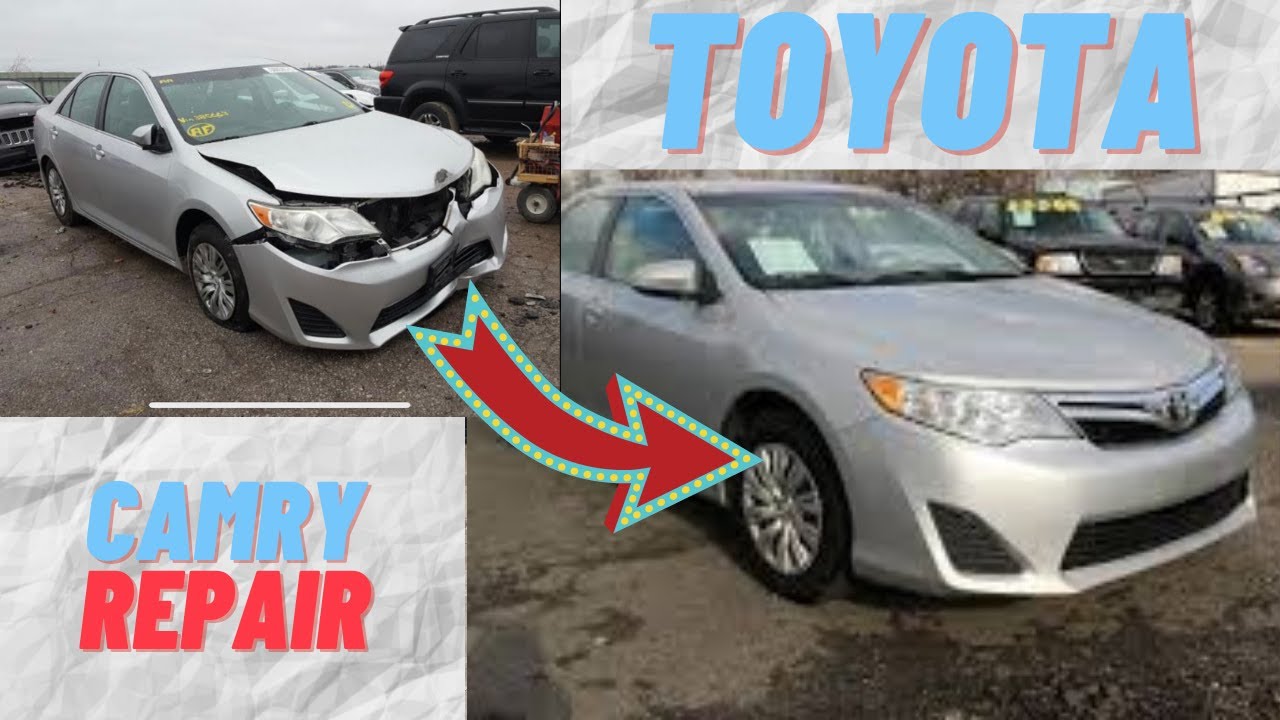
The Bottom Line: Professional documentation is your best defense. If a shop finds structural damage or sensor misalignment, they should provide photographs and diagnostic reports. This documentation justifies the repair cost to the insurance company and ensures that your vehicle’s safety systems will function correctly if you are ever in another accident.



No Comments Yet
Be the first to comment on this article.