Curtis.Castiglione@ROzebra.com

2019 Chevrolet Tahoe Front-End Collision and Hidden Repair Costs
By Curtis Castiglione
If you have been involved in a front-end collision with a 2019 Chevrolet Tahoe, you may be surprised to see an initial repair estimate that starts at 2,000 dollars but ends up closer to 6,000 dollars or more. This discrepancy rarely involves a shop trying to overcharge you; rather, it is a direct result of how modern vehicles are engineered and how the insurance claim process functions.
On a vehicle like the Tahoe, the front bumper cover is a flexible plastic skin designed for aerodynamics and aesthetics. In a low-speed impact, this plastic can flex inward, crush the rigid components behind it, and then 'pop' back into its original shape. To an insurance adjuster or an owner looking at the vehicle in a parking lot, it may look like a simple scuff. However, the cooling package and structural supports located directly behind that plastic are not flexible.
Why Does My 2019 Chevrolet Tahoe Estimate Change After the Bumper is Removed?
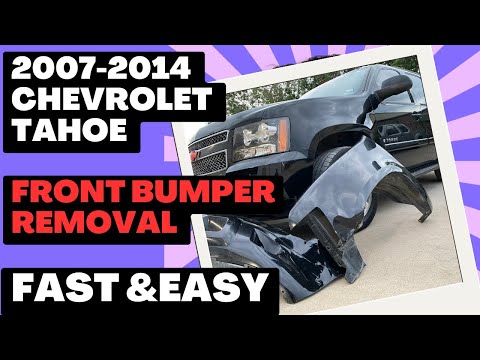
Insurance companies typically write a preliminary estimate based only on what is visible during the initial inspection. If the bumper is still on the truck, the adjuster cannot see if the radiator support is cracked or if the cooling fan shroud is rubbing against the fan blades.
Once you authorize a repair facility to begin work, they perform a 'teardown.' This involves removing the bumper cover, grille, and impact bar to expose the underlying components.
- The Supplement Process: When the shop finds a leaking radiator, a broken sensor, or a bent bracket that was hidden, they must document it with photos and part numbers. This documentation is sent to the insurance company as a 'supplement.'
- What is a Supplement? A supplement is simply a request for additional funds to cover collision-related damage that was not caught during the first look. This is a standard and necessary part of the automotive repair process.
The 'Cooling Package' Sandwich
The front end of a 2019 Tahoe contains a dense 'sandwich' of cooling components. Even if your truck is still drivable, an impact can cause significant mechanical damage to several critical systems.

- The Radiator and Condenser: These are made of thin-gauge aluminum that can easily bend, crack, or leak when pressured by the bumper reinforcement bar.
- Active Grille Shutters: Many Tahoes are equipped with motorized slats behind the grille that manage airflow for fuel efficiency. Made of brittle plastic, these are often the first things to break, even in minor impacts.
- Transmission Oil Cooler: Often bundled in this area, damage here can lead to transmission failure if a leak goes undetected.
- Mounting Points: If the brackets holding these units are bent, the cooling package will not sit at the correct angle, leading to hose fatigue or interference with engine cooling fans.
Mechanical Damage vs. Cosmetic Damage
It is a common mistake to assume that if the Tahoe starts and drives, the mechanical components are fine. A 2019 Tahoe can have a hairline crack in the radiator tank or a crimped air conditioning line and still drive perfectly for a few days.
Eventually, the coolant level will drop, the engine will overheat, or the air conditioning will stop blowing cold. A proper collision inspection must determine whether the cooling package remains correctly positioned and whether there are 'hidden' fault codes in the vehicle's computer system.
The Role of Technology: Sensors and ADAS
Modern Tahoes are equipped with Advanced Driver Assistance Systems (ADAS). This includes parking sensors embedded in the bumper and radar sensors located behind the grille for adaptive cruise control or automatic emergency braking.

- Calibration: Even a minor nudge can misalign these sensors. A proper repair estimate must include the labor to scan these systems and, in many cases, perform a digital recalibration.
- Wiring: Impact damage can pinch wiring harnesses, leading to intermittent electronic 'ghosts' that may not appear until weeks after the repair if not properly diagnosed during teardown.
Parts: OEM vs. Aftermarket and Recycled
A major point of contention in collision repairs is the choice of parts.
- Policy Provisions: Your insurance policy may have a provision allowing for 'Like Kind and Quality' (LKQ) or aftermarket parts.
- The Risks: While an aftermarket bumper cover may be acceptable for aesthetics, an aftermarket radiator or condenser may have different cooling capacities than Original Equipment Manufacturer (OEM) parts. For a Tahoe used for towing, the efficiency of the cooling package is critical.
- Your Choice: Review your policy or speak with your claims handler to understand what your insurance is required to pay for and whether you have the option to pay the difference for OEM components.
Practical Steps for the Vehicle Owner
As the owner, you are the person who authorizes repairs, not the insurance company. To ensure your Tahoe is repaired correctly, follow these steps:
- Ask for a Post-Repair Scan: Ensure the shop scanned the vehicle computer to check for 'hidden' fault codes related to the shutters or ambient temperature sensors.
- Verify the Cooling System: Ask if the shop performed a cooling system pressure test and if the air conditioning system was properly evacuated and recharged.
- Check the Fluids: Ensure the cooling system was refilled with the correct Dex-Coolant, not generic fluid.
- Monitor Your Vehicle: If you notice a fluid leak or the engine temperature climbing a week after the repair, contact the shop immediately. Most reputable facilities provide a warranty on their labor.
Because insurance policies and state laws vary, you should always review your specific policy and consult with a qualified professional. Do not assume a 'simple' bumper repair is strictly cosmetic. Choose a repair facility that prioritizes a thorough teardown and uses a formal supplementation process to ensure your Tahoe is returned to its pre-accident safety and performance standards.



No Comments Yet
Be the first to comment on this article.