Curtis.Castiglione@ROzebra.com

2019 Chevrolet Impala Front-End Collision Repair Guide
By Curtis Castiglione
If you own a 2019 Chevrolet Impala and were recently involved in a front-end collision, you might be frustrated to find that the initial repair estimate provided by your insurance company or the body shop has grown significantly after the car was dropped off. This is a common experience in the collision repair industry, particularly with modern sedans where styling often hides complex structural components.
The reality of automotive repair is that a vehicle’s exterior—the plastic bumper cover and the sheet metal hood—is designed to look good, while the structure underneath is designed to sacrifice itself to protect the occupants. When an estimate increases, it is rarely a sign of a dishonest shop; rather, it is usually the result of discovering hidden damage during the teardown process.
The Visual Estimate vs. The Teardown
When an insurance adjuster first inspects your Impala, they typically write a visual estimate. This is a preliminary document based only on what can be seen without removing parts. Because the 2019 Impala features a large plastic front bumper cover and a wide hood, nearly all of the critical structural and cooling components are obscured from view.
The real work begins during the teardown. This is when the shop removes the damaged outer panels to inspect the inner structure.
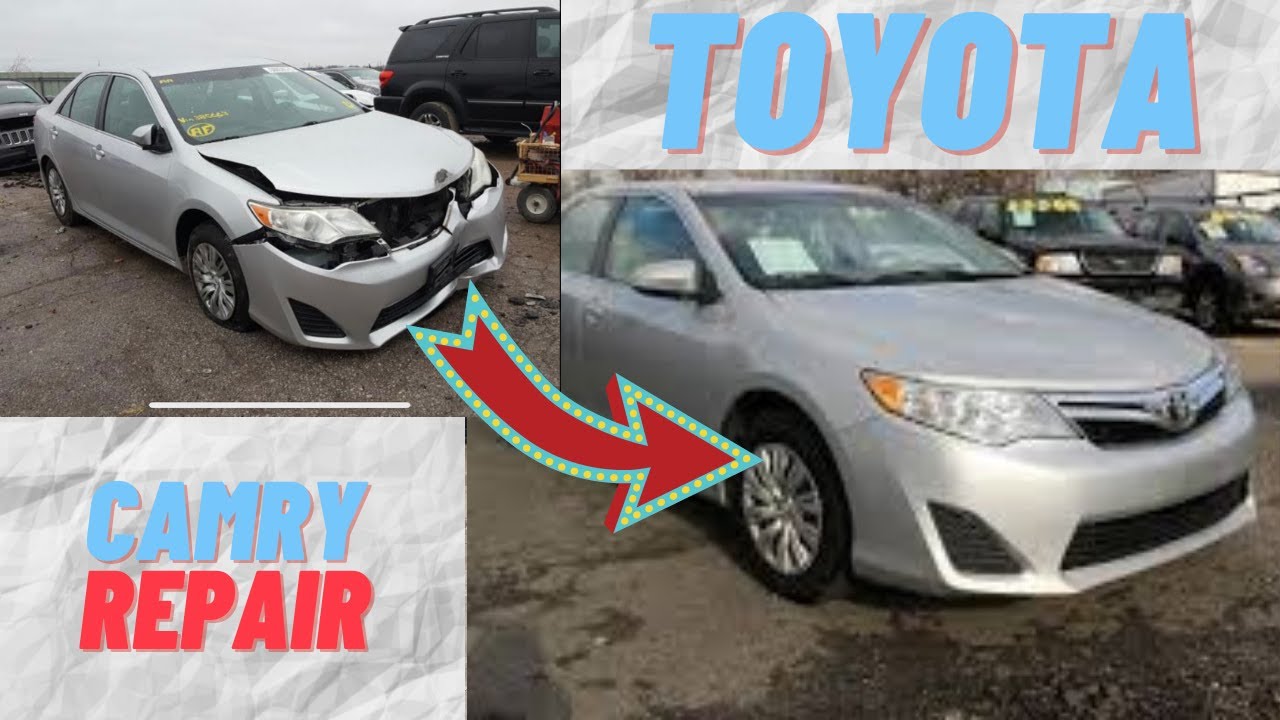
Why the Estimate Changes: The Supplement Process
Once the vehicle is disassembled, the shop will almost certainly find damaged components that were not visible before. They then document this damage with photos and measurements and submit a supplement to the insurance company. A supplement is simply a secondary request for additional parts, labor, or sublet services (like wheel alignments or computer calibrations) required to return the vehicle to its pre-accident condition. This is a standard part of modern collision repair.
The Radiator Support: The Skeleton of Your Front End
On a 2019 Impala, the radiator support is a critical component that often causes estimate costs to rise. This is the structural framework that holds:
- The radiator and cooling fans
- The A/C condenser
- The headlamp assemblies
- The hood latch
In a front-end impact, the bumper reinforcement bar (the metal bar behind the plastic) can transfer energy directly into this support. Even if the radiator support is not crushed, it can be racked or shifted by just a few millimeters. Because everything else bolts to it, a slight shift in the support means your headlamps will not line up, and your hood may not close safely.
Safety Critical: Hood Latch and Striker Alignment
One of the most dangerous oversights in front-end repairs is the hood-latching system. A hood can appear to be closed even when the latch or striker alignment has been compromised.
On the 2019 Impala, if the radiator support has moved, the primary latch might not fully engage, leaving the hood held down only by the secondary safety catch. The repair facility must verify the operation of the latch independently of the hood panel. If the mounting area is deformed, the support must be professionally pulled back into alignment or replaced to ensure the hood does not fly open while you are driving at highway speeds.

Why Minor Headlamp Damage is Often Major
Owners are often surprised when a shop recommends replacing a headlamp that still lights up and has no cracks in the lens. However, modern headlamps are secured by specialized plastic mounting tabs.
On the 2019 Impala, these tabs are designed to be the weakest point so that the headlamp can move slightly during an impact to absorb energy. Once those tabs are cracked or the mounting points on the radiator support are pushed back, the headlamp cannot be securely aimed. If the shop attempts to rig a broken headlamp onto a damaged support, the light beam will likely point too high or too low, creating a safety hazard for you and other drivers.

Modern Tech: Sensors and Calibration
The 2019 Impala may be equipped with Advanced Driver Assistance Systems (ADAS), such as front-collision warning sensors or adaptive cruise control. These sensors are often located behind the front grille or bumper.
If these sensors are moved—even by a fraction of an inch—they must be re-calibrated. This requires specialized software and targets. If your estimate includes Pre- and Post-Repair Scans or ADAS Calibration, these are non-negotiable safety procedures required to ensure your vehicle’s computers are communicating correctly.
Parts Selection: OEM vs. Aftermarket
Your insurance policy dictates what type of parts are used.
- OEM (Original Equipment Manufacturer): Parts made by General Motors.
- Aftermarket: Parts made by a third party.
- Recycled: Used parts from a salvage yard.
For structural components like the radiator support or safety components like the hood latch, fitment is everything. If an aftermarket support is slightly off in its dimensions, the rest of the front end will never fit correctly. You have the right to discuss parts selection with your shop; in some cases, you may choose to pay the price difference out of pocket to ensure OEM parts are used if your policy does not cover them.
Practical Steps for the Vehicle Owner
If your 2019 Impala is in the shop and the costs are rising, take these steps to stay informed:
- Ask for the Teardown Photos: Most insurance companies require these for supplements. Reviewing them will help you see the cracked plastic or bent metal that was hidden behind the bumper.
- Inquire About the Latch: Specifically ask: Was the hood latch checked for alignment independently of the hood?
- Confirm Calibration: If your car has front sensors, ask the shop for a copy of the calibration report to ensure the safety systems are active.
- Review Your Policy: Insurance coverage varies by state and contract. If you have questions about why certain parts are being used, consult your insurance representative or review your policy’s Limits of Liability section.
A front-end collision is complex, but understanding the relationship between the radiator support, the hood latch, and the insurance supplement process can help you ensure your Impala is repaired correctly and safely.
Disclaimer: Insurance policies and state laws vary. This article is for informational purposes and does not constitute legal or financial advice. Always consult with your insurance provider and a qualified collision repair professional regarding your specific claim and vehicle.



No Comments Yet
Be the first to comment on this article.