Curtis.Castiglione@ROzebra.com

2019 Chevrolet Colorado Rear-Corner Collision Repair Guide
At first glance, a rear-corner impact on a 2019 Chevrolet Colorado can seem like a minor inconvenience. The truck remains drivable, the tailgate might still open, and perhaps only a tail lamp is cracked. However, in the world of collision repair, these corner hits are notorious for concealing significant structural and electrical issues that can compromise the vehicle’s safety and utility.
If you are navigating an insurance claim for this type of damage, it is vital to understand that the initial estimate provided by an adjuster is rarely the final word. Here is what actually happens to your truck during the inspection and repair process.
Why Did My Initial Insurance Estimate Change?
It is common for a truck owner to receive an initial estimate from an insurance company—often based on photos uploaded to an app—that seems surprisingly low. This is because these preliminary estimates typically only account for visible damage.
On a 2019 Colorado, the plastic bumper cover and the tail lamp assembly can mask significant underlying damage. To get an accurate figure, a repair facility must perform a teardown. This involves removing the bumper, the lamp, and potentially the bed liner to see the structure beneath.
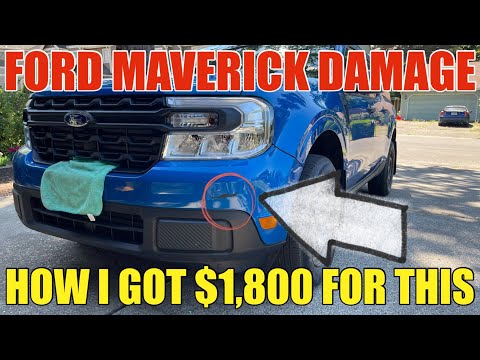
When a shop finds damage not listed on the original estimate, they submit a supplement. This is a standard part of the collision repair process where the shop provides documentation, such as photos and manufacturer-specific repair procedures, to the insurer to prove that additional labor or parts are required. If your estimate increases significantly after the bumper comes off, it is usually because the impact energy traveled deeper into the vehicle than the adjuster could see from the exterior.
The Hidden Danger of Electrical and Trailer Wiring
One of the most overlooked aspects of a rear-corner collision is the electrical system. The 2019 Colorado is often used for towing, and both the trailer connector and the tail lamp harness are located exactly where the impact energy is highest during a corner hit.
Even if the lights appear to be working, "it still works" is not a high enough standard for a safe repair. A crushed or stretched wire may still maintain a circuit immediately after an accident, but automotive wiring is highly sensitive to vibration and moisture.
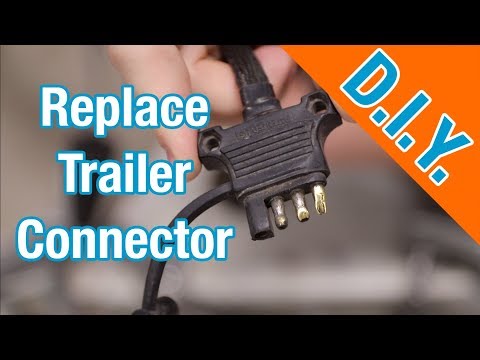
A marginal connection might function in the shop but fail two weeks later on a bumpy road or during a rainstorm. This can lead to:
- Intermittent trailer brake failure or lighting issues.
- Ghost codes (fault codes) in the vehicle's computer system.
- Hidden corrosion that eventually eats through the copper wire, leading to expensive diagnostic fees later.
A professional repair should include a physical inspection of the wiring harness for signs of pinching or tension, along with a diagnostic pre-scan and post-scan to ensure the vehicle's modules are communicating correctly.
Inspecting the Bed and Frame: Is Your Truck Square?
The bed of a pickup is a large metal box bolted to the frame. When one corner is struck, it can rack the entire bed. Even if the primary dent is localized, the force can shift the bed on its mounting points or bend the brackets.

Technicians look for several key indicators of structural movement:
- The Cab-to-Bed Gap: If the gap between the back of the cab and the front of the bed is narrower on one side than the other, the bed has shifted or the mounting points are bent.
- Bumper Reinforcement: Behind the plastic bumper cover is a heavy steel bar designed to absorb impact. If this bar is even slightly bowed, it has lost its structural integrity and must be replaced to ensure it can protect the vehicle in a future accident.
- Rear Body Structure: In severe corner hits, the impact can reach the rear body structure of the truck, requiring frame measurements to ensure the vehicle is still within factory specifications.
Does Insurance Cover OEM or Aftermarket Parts?
Whether your Colorado receives brand-new Chevrolet parts (OEM), aftermarket parts (third-party), or recycled parts (LKQ - Like Kind and Quality) depends on your specific insurance policy and state regulations.
For a 2019 model, insurers often attempt to use aftermarket or recycled components to manage costs. However, technology plays a major role here. If your Colorado is equipped with Rear Park Assist sensors or Blind Spot Monitoring, the fitment of the bumper and tail lamp is critical.

Sensors require precise calibration and specific material thicknesses to see through the bumper properly. In some cases, the vehicle manufacturer may have position statements explaining why an OEM part is necessary to maintain the integrity of these safety systems. You should discuss part selection with your repair facility and review your policy to understand what you are entitled to.
What Should I Do Before Authorizing Repairs?
Before you sign off on a repair, ensure the shop has looked beyond the surface paint. A 2019 Chevrolet Colorado is a sophisticated machine, and its rear corners are hubs for electrical and structural integrity. Ask the following four questions to ensure a complete repair:
- Was the trailer wiring harness tested? Confirm that the trailer connector was checked for full functionality, including the brake and auxiliary circuits.
- Were the bed mounts inspected? Ask if the bed is still square on the frame and if the mounting bolts were checked for damage.
- Did you perform a diagnostic scan? Modern trucks may have soft codes stored in the computer that do not trigger a dashboard light but indicate electrical faults.
- Are the gaps within factory specifications? Check the alignment of the tailgate, the tail lamps, and the spacing between the bed and the cab.
By focusing on the mechanical and structural details, you can ensure your truck remains safe, functional, and holds its value.
Disclaimer: Insurance coverage and repair regulations vary by state and policy. Always review your specific policy and consult with a qualified professional for your repair needs.



No Comments Yet
Be the first to comment on this article.