Curtis.Castiglione@ROzebra.com

2019 Chevrolet Blazer Front-Corner Collision: Repair and Insurance Guide
By Curtis Castiglione
If you have been involved in a front-corner collision with your 2019 Chevrolet Blazer, you might be surprised to see a repair estimate that includes dozens of line items for what looked like a minor fender bender. From the outside, the damage may appear to be a simple dented fender and a scratched headlight. However, modern vehicle architecture and insurance claim processes turn these seemingly small hits into complex technical repairs.
Why a Functional Headlamp Often Needs Replacement
One of the most common points of contention in a Blazer repair estimate involves the headlamp assembly. On the 2019 Blazer, the headlamps are complex units held in place by specific plastic mounting tabs.

During a collision, the impact energy often bypasses the lens and snaps these internal or external brackets. While the light may still turn on and appear undamaged from the outside, a headlamp with broken tabs is no longer secure. This leads to several safety and functional issues:
- Vibration: The lamp can vibrate while driving, causing the beam to flicker and distracting other drivers.
- Misalignment: Broken mounts prevent the light from being aimed correctly, which is a significant safety concern for nighttime visibility.
- Structural Integrity: Most manufacturers, including General Motors, do not recommend the use of "tab repair kits" if they compromise the structural integrity of the light housing.
If your insurance adjuster writes for a repair but your technician finds broken mounts during the teardown, a supplement will be required to replace the entire assembly.
Hidden Damage: What Lies Behind the Fender and Liner
The fender on a 2019 Blazer is more than just a piece of sheet metal; it serves as a mounting point for the inner wheel-well liner and various electronic components. When a fender is pushed back, it often distorts the mounting flange or shears off the plastic clips holding the liner in place.

The Teardown
During the initial inspection, an adjuster might only see the exterior dent. It is not until the vehicle undergoes a "teardown"—where the bumper and fender are removed—that the full extent of the damage to the apron or support structures is revealed.
The Liner
If the wheel-well liner is even slightly warped, it can rub against the tire during sharp turns. Documenting these missing clips and distorted sections is vital for an accurate insurance claim and to ensure the vehicle is returned to its pre-accident aerodynamic and protective state.
Mechanical Complications: The Wheel-Speed Sensor and ABS
If the impact was low enough to hit the wheel or the area directly behind it, you may notice an ABS or traction control warning light on your dashboard. This is often caused by damage to the wheel-speed sensor or its wiring harness.

Why did my ABS light come on after a fender bender? In some cases, the sensor itself is fine, but the impact shifted the steering knuckle or damaged the "tone ring" the sensor reads. This is considered mechanical damage resulting from a collision.
Does insurance cover this? Generally, insurance policies cover mechanical damage caused by the accident. However, they typically do not cover pre-existing wear and tear items found during the inspection. A technician must document the direct link between the impact and the sensor failure (such as a frayed wire or impact marks on the hub) to ensure the insurance company pays for the repair. This requires a diagnostic scan with a professional-grade tool.
Why Estimates Change After the Repair Starts
It is a common misconception that the first estimate provided by an insurance company is the final word on the repair cost. That document is usually a preliminary estimate based only on what is visible.
Once the shop begins the teardown, they will likely find hidden damage, such as a cracked washer fluid reservoir or a bent mounting bracket. The shop then submits a supplement to the insurance company. This is a standard part of the collision repair process. The supplement explains the connection between the collision and the newly discovered damage.
Pro Tip: As the owner, you should ensure your shop is performing a thorough teardown before they order parts to avoid long delays mid-repair.
Choosing Parts: OEM, Aftermarket, and Recycled
Your insurance policy typically dictates what type of parts will be used for the repair.
- Original Equipment Manufacturer (OEM): Parts made by Chevrolet specifically for your Blazer.
- Aftermarket: Parts made by third-party companies.
- Recycled: Used components sourced from salvage yards.
While you have the right to choose which parts go on your Blazer, your policy may only pay for the cost of aftermarket or recycled components if the vehicle is past a certain age or mileage. If you insist on OEM parts and your policy does not cover the price difference, you may be responsible for that "markup" out of pocket. Always review your policy’s parts provision section and consult your insurance company.
The Importance of Calibrations and Alignments
Modern Blazers are equipped with Advanced Driver Assistance Systems (ADAS). Even a corner impact can shift the sensors used for lane-keep assist or automatic emergency braking.
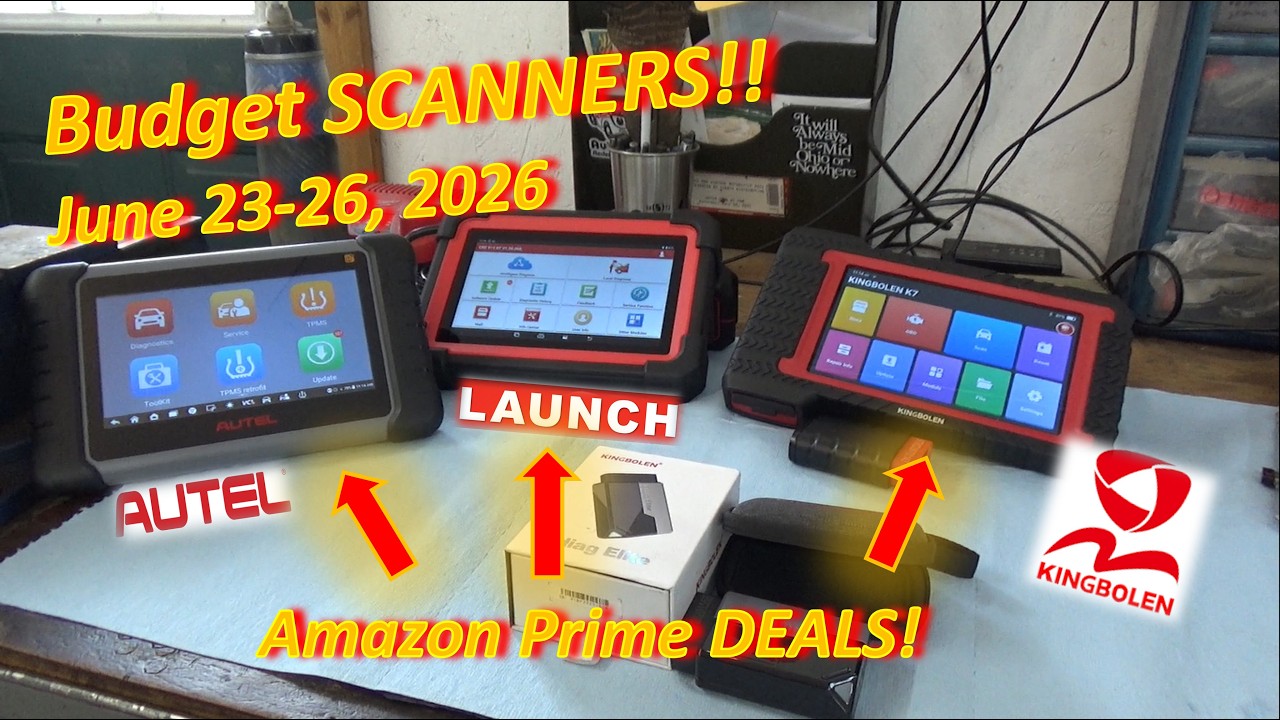
After the fender and headlamp are replaced, the vehicle may require:
- A Four-Wheel Alignment: To ensure the suspension wasn't moved or bent during the hit.
- Sensor Calibration: To ensure the vehicle’s "eyes" (cameras and radar) are pointing exactly where they should be.
If your estimate does not include a diagnostic scan or calibration, ask your repairer why. A vehicle that looks repaired but has an uncalibrated sensor is not truly restored to its pre-accident safety condition.
Recommended Next Steps
If you are researching this before authorizing repairs, follow these steps:
- Request a Detailed Estimate: Ask your shop for a line-item breakdown of labor and parts.
- Ask About the Pre-Repair Scan: Ensure they have checked for hidden fault codes in the computer system that could indicate sensor damage.
- Know Your Rights: In most states, you have the legal right to choose your own repair facility. However, using a shop outside of the insurance network may mean you have to handle more of the communication regarding supplements yourself.
Because insurance policies and state laws vary, always review your specific policy and consult with a qualified collision professional who can provide a documented blueprint for the repair of your 2019 Chevrolet Blazer.



No Comments Yet
Be the first to comment on this article.