Curtis.Castiglione@ROzebra.com

2019 BMW 3 Series Front-End Collision Repair and Insurance Guide
If you own a 2019 BMW 3 Series and have been involved in a front-end collision, you might look at a cracked bumper or a missing kidney grille and assume the repair is a simple unbolt and replace job. However, beneath the plastic skin of a modern BMW lies a sophisticated ecosystem of cooling components, aerodynamic sensors, and driver-assistance technology.
In the world of collision repair, the 2019 3 Series represents a shift toward high-tech mechanical integration. Understanding how these parts interact—and how your insurance company views them—is the key to ensuring your vehicle is safe and reliable after the repair.
Why did my initial insurance estimate change after the shop took the car apart?
It is common for an initial insurance estimate, often written by an adjuster in a driveway or via a smartphone app, to be significantly lower than the final bill. This is because the most critical components of the 2019 3 Series are hidden.
Professional repairers use a process called a teardown. This involves removing the bumper cover and trim to inspect the internal structure. On this specific vehicle, the radiator, A/C condenser, and cooling fan are housed within a modular radiator support.

Damage that looks skin deep often reveals:
- Fractured Radiator Mounts: The radiator may not be leaking yet, but if the plastic mounting tabs are snapped, the unit is no longer secure.
- Bent Condenser Fins: Even slight distortion in the A/C condenser can lead to restricted airflow or future refrigerant leaks.
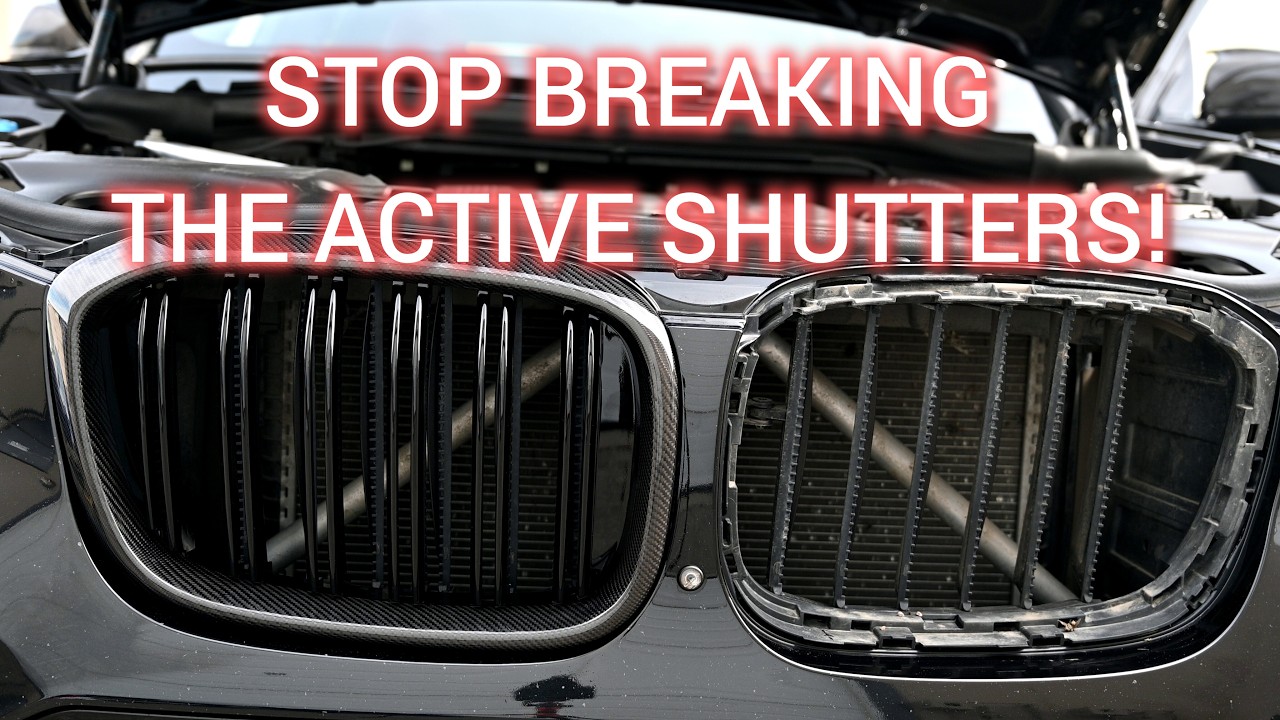
- Active Shutter Obstruction: These are motorized slats located behind the grille that regulate engine temperature. Even if the exterior grille looks fine, the internal linkage or the motor itself may be jammed or cracked.
Because these issues are found after the first estimate is written, the shop must submit a supplement—a request for additional funds and parts from the insurance company.
Who pays for the mechanical repairs in a collision?
A frequent point of confusion for BMW owners is the distinction between a mechanical breakdown and collision damage. If your 2019 3 Series began running hot because the radiator was punctured or the active shutters were crushed in an accident, this is considered collision damage. It is typically covered under your collision policy, subject to your deductible.
However, insurance coverage is specific to the loss event. If the shop discovers a pre-existing oil leak or a worn-out belt while they are replacing the radiator, the insurance company will likely not pay for those repairs. This is why a professional diagnostic inspection is vital; the shop must document exactly how the impact affected the cooling package to ensure the carrier pays for the necessary mechanical restoration.
The Role of Active Grille Shutters
The 2019 BMW 3 Series utilizes an active air-management system. These shutters stay closed to help the engine warm up faster and improve aerodynamics at high speeds, then open when maximum cooling is required.
Why this matters for your claim:
- Check Engine Lights: Because the shutters are linked to the vehicle computer (the Engine Control Module), a physical obstruction or a broken motor will often trigger a Check Engine light or an emissions fault.
- Hidden Costs: A shutter assembly is a precision electronic part. If the insurance company misses this in the initial estimate, your car may look repaired but will fail to function correctly.
The Debate: OEM vs. Aftermarket Parts
When repairing a cooling system on a precision machine like a BMW, the type of parts used is often a point of contention. Insurance policies frequently allow for the use of Like Kind and Quality (LKQ) or aftermarket parts to control costs.
In a 2019 3 Series, using an aftermarket cooling fan or active shutter assembly carries technical risks:
- Communication Errors: These components communicate via the vehicle data bus. If an aftermarket part has a slightly different electrical resistance, the car computer may reject it, keeping the warning lights on.
- Calibration Issues: Many BMW components require a software handshake or initialization once installed. Aftermarket parts do not always support these factory procedures.
You should ask your shop if they are using Original Equipment Manufacturer (OEM) parts and whether those parts require specific BMW software updates.
What happens if the sensors or cameras are affected?
The front end of a modern BMW is the brain center for Advanced Driver Assistance Systems (ADAS). This includes radar sensors for adaptive cruise control and cameras for parking assistance.
Even if the impact did not hit the sensor directly, replacing the radiator support or the bumper can shift the sensor mounting position by a fraction of a millimeter. This requires a digital calibration. If your repair estimate does not include a pre-repair and post-repair diagnostic scan, your car’s electronic health has not been fully verified.

Insurance companies generally cover these calibrations, but they must be documented as a necessary safety step.
Practical Steps for the Vehicle Owner
If you are navigating a front-end repair on a 2019 BMW 3 Series, follow these steps to protect your investment:
- Demand a Full Teardown: Ensure the shop removes the bumper and inspects the cooling package before they finalize the parts order. This prevents delays and ensures the insurance company sees the full scope of damage early.
- Ask for a Scan Report: Request a printout of the pre-repair and post-repair diagnostic scans. This is proof that the active shutters, cooling fans, and sensors are communicating correctly.
- Review Your Policy: Check if you have an OEM Endorsement. If you do not, the insurer may only pay for the cheapest available part. You may have the option to pay the difference to get genuine BMW parts.
- Verify Function: Before taking delivery of the car, ensure there are no warning lights on the dashboard and ask the shop if the cooling fan and active shutters were function-tested.
Every insurance policy and state regulation is different. Always consult with a qualified collision repair professional who specializes in European vehicles. A BMW is a precision-engineered machine; your repair should be treated as a mechanical restoration, not just a cosmetic fix.



No Comments Yet
Be the first to comment on this article.