Curtis.Castiglione@ROzebra.com
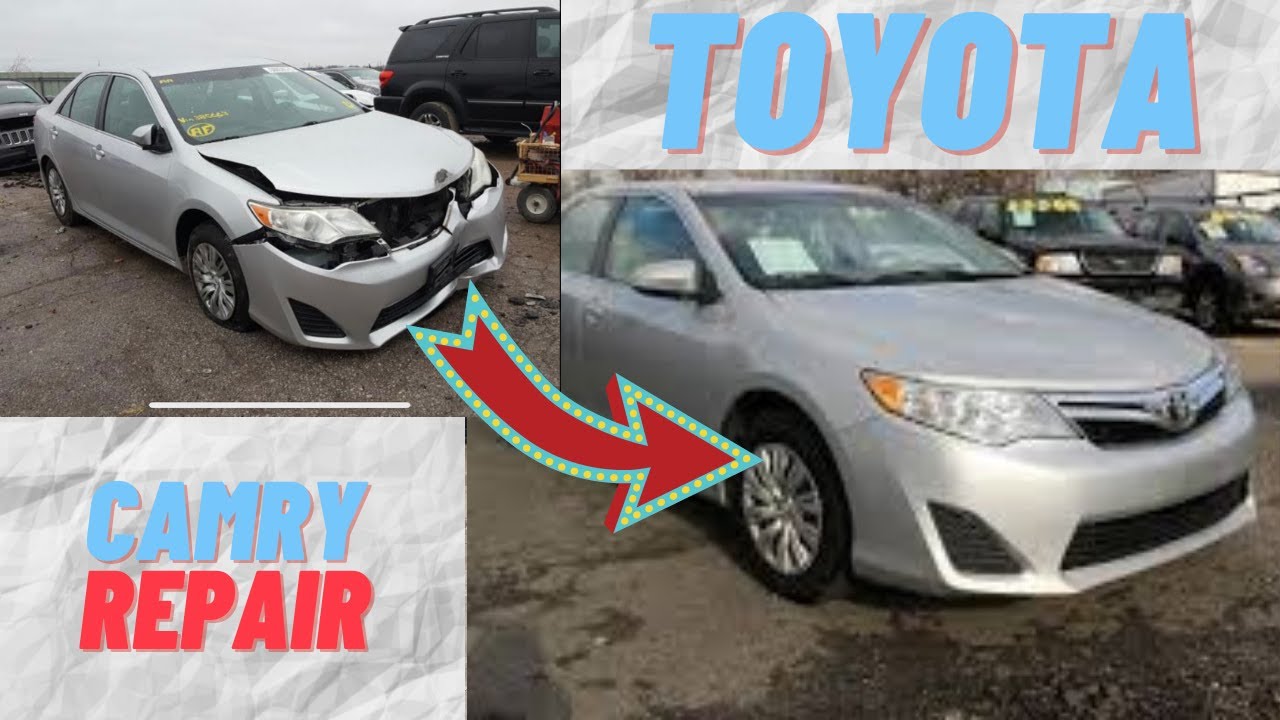
2018 Toyota Corolla Front-Corner Collision Repair Analysis
When a 2018 Toyota Corolla is involved in a front-corner collision, the visible damage usually centers on the bumper cover, the fender, and perhaps a cracked headlamp. To a vehicle owner, this looks like a straightforward body repair—a "fender bender" that should take a few days and a simple coat of paint.
However, from a technical inspection standpoint, a hit to the corner of a vehicle often triggers a chain reaction of damage that extends far beyond the surface sheet metal. Understanding why your repair estimate might grow after the initial inspection requires looking at how modern vehicles are built and how insurance claims handle hidden damage.
The Problem with Plastic Brackets and Mounting Tabs
One of the most common issues in a Corolla front-impact claim involves the headlamp and fender mounting points. Modern headlamps are complex, expensive components held in place by thin plastic tabs.
In a collision, the fender or bumper may flex inward and then "pop" back out. While the exterior might look mostly intact, that momentary flex often snaps the plastic headlamp brackets or bends the metal mounting flanges on the fender apron (the internal structure of the car).

Why this matters for your repair:
- Alignment: If these brackets are broken, the headlamp cannot be properly aimed, and the gaps between the body panels will never be uniform.
- The "Teardown": During the estimating process, a shop must perform a "teardown," which involves removing the bumper cover to inspect these hidden components.
- The Supplement: If your insurance company wrote an initial estimate based only on what they could see from the outside (a "photo estimate"), your repair facility will likely need to submit a supplement. This is a request for additional funds to cover the broken brackets and internal structures discovered only after disassembly.
When Cosmetic Damage Becomes a Mechanical Issue
If the impact to your Corolla occurred near the front wheel, the repair is no longer just about aesthetics; it is about safety and drivability. Even a low-speed impact that strikes the tire can transfer energy directly into the steering and suspension systems.
Suspension Components to Watch
Because many modern parts are designed to be lightweight for fuel efficiency, they can bend slightly without showing obvious cracks or signs of trauma. During inspection, a technician should evaluate:
- The Steering Knuckle: The hub that holds the wheel in place.
- The Lower Control Arm: A critical pivot point for the suspension.
- Tie Rods: The linkages that connect your steering rack to the wheels.

Why You Need a Wheel Alignment
A wheel alignment is a critical diagnostic tool in a collision repair. If the suspension geometry is off by even a fraction of an inch, you will experience rapid tire wear and potentially compromised handling. From an insurance perspective, most policies cover "resultant damage" from a loss. If the collision caused your car to pull to one side, that mechanical diagnostic work and the subsequent alignment should be part of the claim.

Note: Insurance companies may distinguish between collision damage and "wear and tear." If your car had worn-out ball joints or bushings prior to the accident, the insurer might only pay for the portion of the repair directly related to the impact.
The Role of Technology and ADAS
The 2018 Toyota Corolla was equipped with Toyota Safety Sense, which includes features like Pre-Collision Systems and Lane Departure Alert. These systems rely on sensors and cameras.
A front-corner impact can jar these sensors or move their mounting positions. Even if a sensor isn't physically "broken," it may require recalibration once the body panels are replaced and the wheel alignment is completed. Failure to calibrate these systems can result in:
- Safety features that do not deploy when needed.
- "Ghost" braking, where the car triggers an emergency stop when no danger is present.
- Error lights on the dashboard that prevent the vehicle from passing inspection.
When reviewing your estimate, look for line items related to "ADAS Calibration" or "Pre- and Post-Repair Scans." These are necessary steps to ensure the vehicle’s electronic brain recognizes that the physical parts have been moved or replaced.
Practical Steps: How to Handle the Repair Process
If you are researching a repair for your Corolla after a corner impact, follow these steps to ensure a complete and safe repair:
- Request a Detailed Teardown: Do not assume the first estimate is final. Ask the repair facility to remove the damaged bumper and fender to check for broken headlamp tabs and internal splash shield damage before they order parts.
- Document the Damage: If the shop finds a bent suspension component, ask for a photograph and a copy of the alignment printout. This documentation is vital for your insurance adjuster to approve a supplement for mechanical repairs.
- Understand Parts Choices: Depending on your insurance policy and state regulations, the insurer may suggest "Aftermarket" (non-OEM) or "Recycled" (used) parts. For a 2018 model, this is common. However, ensure that any recycled parts, like a fender or a steering knuckle, are inspected for structural integrity and corrosion before they are installed.
- Check the Wheel-Well Area: Inspect the inner liner and splash shields. If the plastic liner is tearing or missing clips, it can interfere with the tire or lead to noise. These small plastic pieces are often overlooked on quick estimates but are essential for protecting the engine bay from road salt and debris.
Conclusion
A front-corner collision on a 2018 Toyota Corolla is rarely just a "dent in the fender." Between the fragile mounting tabs of the headlamp, the precision required for the suspension, and the calibration of safety sensors, the repair process is a complex coordination of bodywork and mechanical diagnostics.
By focusing on a thorough teardown and professional documentation, you can ensure that your vehicle is returned to its pre-accident condition and that your insurance claim accurately reflects the true cost of the damage.



No Comments Yet
Be the first to comment on this article.