Curtis.Castiglione@ROzebra.com

2018 Subaru Forester Rear Collision Repair Guide
By Curtis Castiglione
If you own a 2018 Subaru Forester and have been tapped from behind in traffic, your first instinct is likely to look at the plastic bumper. If it isn't hanging off or severely cracked, you might think you escaped with minor cosmetic damage.
In the world of modern collision repair, however, the plastic you see on the outside—the bumper cover—is merely a wrapper. Beneath that skin lies a complex network of safety steel, exhaust components, and sensitive electronics. What looks like a small scuff can easily turn into a significant repair once a technician performs a proper teardown.
The Hidden Path of Impact: The Exhaust System
One of the most common mistakes owners and even some insurance adjusters make is ignoring the exhaust system during a rear-impact inspection. On a 2018 Forester, the exhaust assembly is a rigid series of connected components that extends to the very edge of the rear bumper.
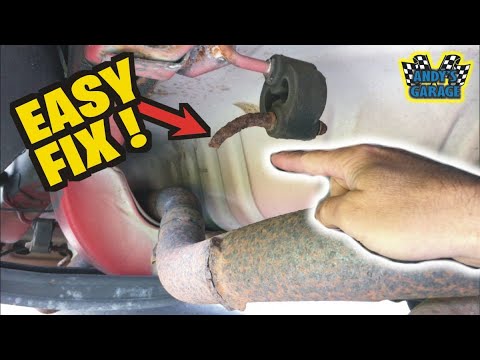
Why exhaust inspection matters:
- The Push-Forward Effect: Even if the tailpipe isn't crushed, the force of the collision can shove the entire exhaust system forward toward the engine. This can stretch or tear rubber exhaust hangers and bend mounting brackets.
- Stress at the Manifold: Because the system is rigid, an impact at the back can create leverage that stresses the exhaust manifold or the catalytic converter connections near the front of the vehicle.
- Post-Repair Vibrations: If a shop simply centers a tailpipe without replacing damaged hangers, you may notice a persistent rattle or a droning sound weeks later. This is caused by the exhaust making contact with the heat shields or the rear body structure.
The Backup Camera: Why 'It Still Works' Is Not Enough
The 2018 Forester features a backup camera that is often housed near the center of the rear liftgate or bumper area. Owners frequently assume that if the camera still shows a picture on the dashboard, it is fine. In reality, a collision creates a high-frequency jar that can damage the internal mounting clips of the camera or pinch the wiring harness behind the bumper reinforcement.

Watch for intermittent failure. If your camera image flickers, cuts out when you hit a bump, or shows blue during rain, you likely have damaged wiring or a compromised connector. A professional repair facility should perform a pre-repair diagnostic scan to check for soft codes in the vehicle’s computer that indicate communication errors with the camera or rear sonar sensors.
Cosmetic vs. Structural: Understanding the Layers
When a Forester is hit, the energy travels through three distinct layers:
- Bumper Cover (Cosmetic): The plastic outer piece. It can often pop back into shape after an impact, hiding the damage underneath.
- Bumper Absorber (Energy Management): Usually a foam or plastic honeycomb piece designed to crush and soak up low-speed impact energy. Once crushed, it cannot be repaired—it must be replaced.
- Reinforcement Bar (Structural): A heavy-duty metal beam bolted to the vehicle's frame. If this bar is bent, it has done its job of protecting the cabin, but it must be replaced to ensure the vehicle is safe for a second accident.
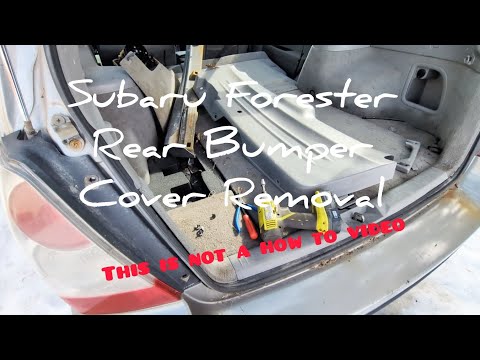
If the impact is severe enough, the reinforcement bar can transfer energy into the rear body panel. If this panel is buckled, your liftgate may no longer seal correctly, leading to water leaks in the spare tire well or wind noise at highway speeds.
Why Did My Estimate Change? The Supplement Process
It is a common source of frustration: the insurance company writes an initial estimate for 1,200 dollars, but the body shop calls you two days later saying the bill is now 2,800 dollars. This is not necessarily a scam. Initial insurance estimates are often field notes based only on what is visible without taking the car apart. The real damage is found during the teardown.
When the shop finds a bent exhaust bracket or a cracked camera housing, they submit a supplement to the insurance company. This is a request for additional funds backed by photographic evidence. To ensure your claim is handled correctly, make sure the shop documents how the collision—and not wear and tear—caused the specific mechanical or electrical failure.
Frequently Asked Questions
Does insurance cover hidden exhaust damage?
Generally, yes. If the damage is a direct result of the collision, it is covered under a standard collision claim. However, insurance will not pay to replace an exhaust pipe that was already rusted through or failing due to age.
Why does my repair cost more than a similar accident?
Modern Foresters are equipped with ADAS (Advanced Driver Assistance Systems). If your vehicle has blind-spot monitoring or rear cross-traffic alert, those sensors may require calibration after the bumper is removed. This requires specialized equipment and labor time that older vehicles did not need.
Can I choose to use only Genuine Subaru (OEM) parts?
This depends on your specific insurance policy and state regulations. Some policies specify the use of Like Kind and Quality (LKQ) or aftermarket parts. If you want only brand-new Subaru parts, you may have to pay the price difference out of pocket unless your policy includes an OEM parts endorsement.
Checklist: Questions to Ask Your Repair Facility
Before you pick up your Forester, verify that the following steps were taken:
- Exhaust: Did you check the hangers and brackets for displacement, or just the tailpipe for scratches?
- Electronics: Was a post-repair diagnostic scan performed to ensure the backup camera and sensors are communicating correctly?
- Structure: Was the bumper reinforcement bar inspected for cracks or bends after the plastic cover was removed?
- Seals: Has the rear liftgate been tested for a proper weather seal to prevent leaks?
The bottom line: A 2018 Subaru Forester is a safety-first vehicle. A repair is only successful if the vehicle’s structural integrity and electronic safety net are fully restored. Never settle for a repair that only addresses the cosmetic side of a rear-end hit.
Disclaimer: Insurance coverage and repair regulations vary by state and policy type. Always review your specific policy and consult with a qualified collision professional regarding your repairs.



No Comments Yet
Be the first to comment on this article.