Curtis.Castiglione@ROzebra.com

2018 Ram 2500 Rear-Corner Collision Repair
If you own a 2018 Ram 2500, you know it is a heavy-duty machine built for work. However, its rugged exterior can be deceiving when it comes to collision damage. What appears to be a simple dent in the rear corner—perhaps from backing into a post or a low-speed impact—often hides a web of structural, mechanical, and electronic issues.
When you receive an initial estimate from an insurance company or a body shop, you might be surprised by the cost. To understand why, you have to look past the sheet metal and understand how these trucks are engineered.
Why did my initial estimate change after the shop took the truck apart?
It is a common source of frustration for vehicle owners: the insurance adjuster writes an estimate for 1,500 dollars, but two days after you drop the truck off at the shop, the bill jumps to 4,500 dollars. This happens because of the teardown and supplement process.
Most initial insurance estimates are visual-only. The adjuster writes for what they can see without removing any parts. On a Ram 2500, the bedside is a massive piece of heavy-gauge steel. It can hide buckled bumper brackets, sheared bed-mounting bolts, or a shifted rear frame section. Once the shop performs a teardown—removing the tail lamp, bumper, and trim—they document this hidden damage and submit a supplement to the insurance company. This is a standard procedure to ensure the truck is actually returned to its pre-accident condition rather than just fixed cosmetically.

The Tail Lamp: More Than Just a Plastic Lens
In a 2018 Ram, the tail lamp is often a sophisticated piece of technology. Depending on your trim level, such as a Laramie or Limited, your truck may be equipped with LED assemblies and Blind Spot Monitoring (BSM) sensors.
- Calibration Requirements: If your truck has BSM sensors, simply replacing the lamp is not enough. These are Advanced Driver Assistance Systems (ADAS). Most manufacturers require a digital scan and a calibration procedure to ensure the sensors are aiming correctly.
- Wiring Harnesses: The wiring for the tail lamps, backup sensors, and trailer towing plugs all converge in the rear corners. A crushed corner can pinch or sever these harnesses, leading to intermittent electrical ghosts that may not show up until weeks after the repair if not properly inspected.
Fuel-Filler Integrity: A Hidden Safety Concern
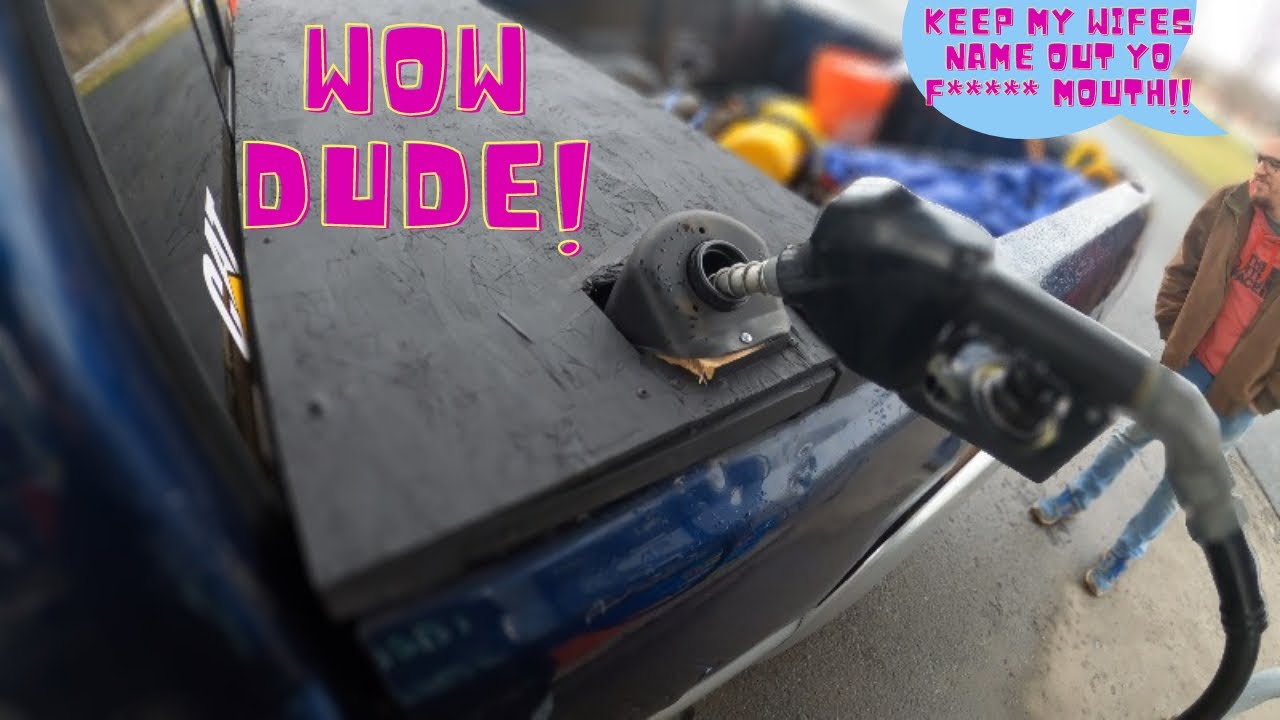
If the impact occurred on the driver side rear corner, the fuel-filler area is a critical inspection point. On the 2018 Ram, the fuel door is mounted to the bedside, but the filler neck is attached to the frame and fuel tank.
Even if the fuel door still opens and closes, the impact may have shifted the bedside enough to put stress on the filler neck or the plastic housing. This can lead to:
- Fuel leaks: Especially during refueling.
- EVAP System Failures: Modern trucks use an Evaporative Emission (EVAP) system to manage fuel vapors. A slight crack in the filler neck or a loose seal caused by deformation can trigger a Check Engine light and prevent you from passing an emissions test.
Bed Alignment and Frame Sway
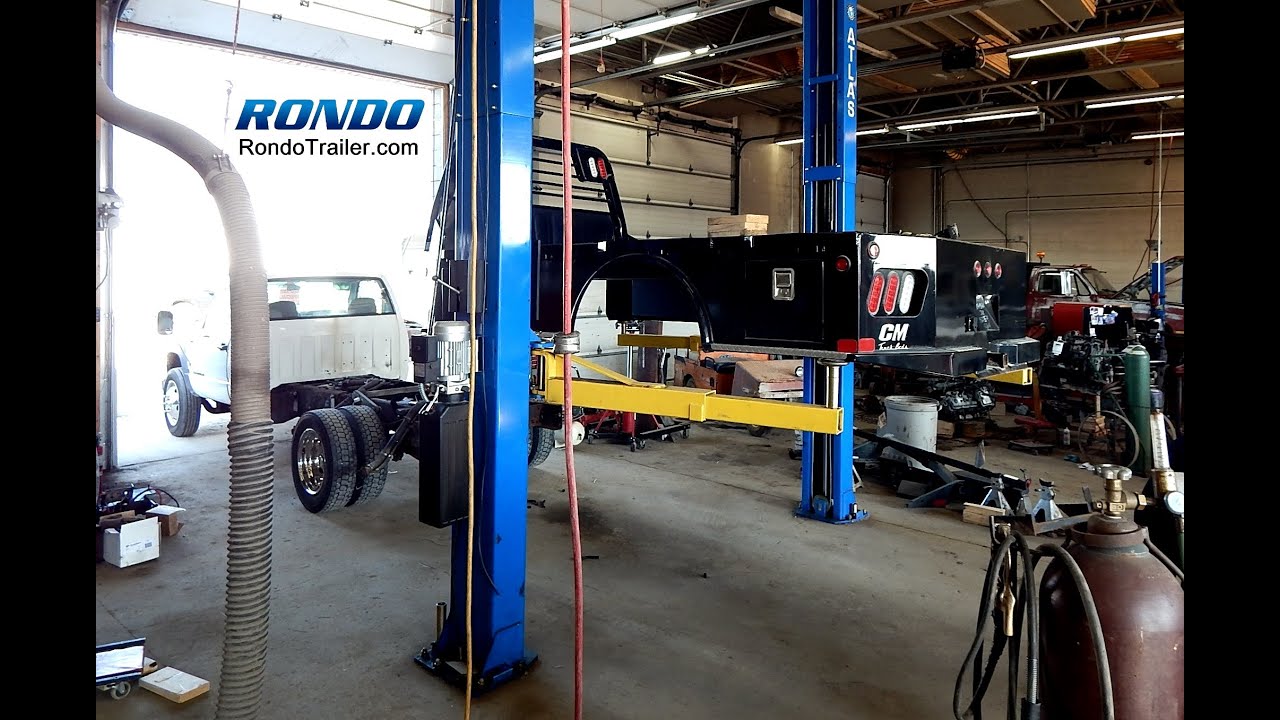
The Ram 2500 is a body-on-frame vehicle. This means the bed is bolted to a rigid steel frame. When a heavy-duty truck takes a hit to the rear bumper or the corner of the bed, that energy has to go somewhere.
- The Sway Factor: If the bumper was hit hard, it can cause the frame rails to sway or bend slightly. If the frame is even a few millimeters out of alignment, the bed will never sit straight.
- Checking Gaps: Look at the vertical gap between the back of the cab and the front of the bed. If the gap is tighter on the left than the right, your bed has shifted, or your frame is swayed. A reputable shop will use a three-dimensional measuring system to verify frame straightness before starting bodywork.
Will insurance pay for Mopar (OEM) parts or aftermarket?
Whether your repair uses Original Equipment Manufacturer (OEM) parts, aftermarket parts, or recycled (used) parts depends largely on your insurance policy provisions and state regulations.
- Aftermarket Fitment: For a 2018 Ram 2500, aftermarket bedsides can sometimes present fitment issues, particularly around the fuel-filler pocket and the tailgate latch area.
- Electronic Compatibility: Aftermarket tail lamps may not always communicate correctly with the truck computer, especially on higher trim levels with LED systems.
- Your Choice: You generally have the right to choose your repair facility, but you may be responsible for the price difference if you insist on brand-new Mopar parts when your policy only covers aftermarket equivalents. Review your policy for an OEM Parts Endorsement.
What should I ask the shop before authorizing repairs?
To ensure your truck is repaired safely and retains its value, ask the following questions:
- Did you perform a pre-repair diagnostic scan? (To identify hidden electrical or ADAS faults).
- Was the fuel-filler neck inspected for stress or cracks? (Critical for safety and emissions).
- Are the bed-mounting points and bolts being inspected for deformation?
- Will you be performing a 3D frame measurement?
- How are you handling the ADAS/Blind Spot calibration?
The Bottom Line
A 2018 Ram 2500 is a significant investment. While a rear-corner hit might seem like a minor inconvenience, the intersection of heavy-duty structural components and sensitive safety electronics makes the repair process complex. By understanding the reasoning behind the inspection and the insurance supplement process, you can ensure your truck remains as reliable and safe as it was the day it left the factory.



No Comments Yet
Be the first to comment on this article.