Curtis.Castiglione@ROzebra.com
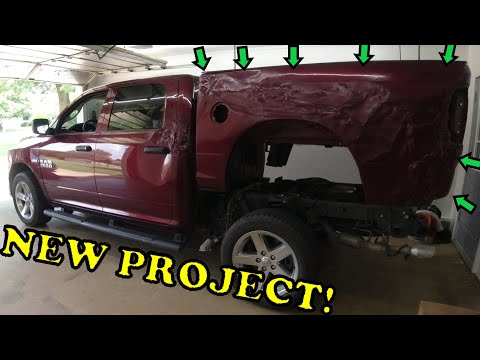
2018 Ram 1500 Collision: Hidden Mechanical and Suspension Damage
By Curtis Castiglione
When a 2018 Ram 1500 is involved in a front-end or front-corner collision, the visible damage to the bumper, grille, and fenders is often only the beginning of the story. Unlike older trucks where a heavy steel bumper protected most of the mechanical vitals, modern pickups are designed with tight packaging.
This means that a relatively minor impact to the front corner can simultaneously damage the steering, the suspension, and the cooling systems. If you are looking at a crumpled bumper and a flat tire, you are not just looking at a body shop bill—you are looking at a complex mechanical repair.
Does insurance cover mechanical damage from a collision?
Generally, yes. If a mechanical failure is a direct result of a covered loss, such as a collision, the insurance company is typically responsible for the cost of the repair, minus your deductible.
However, the challenge is often proving that the mechanical failure was caused by the accident rather than prior wear and tear. On a 2018 Ram 1500, a wheel impact can easily bend a tie rod or damage a steering knuckle. These are not wear items; they are structural steering components that fail under the lateral load of an accident. To ensure coverage, the damage must be documented as impact-related rather than maintenance-related.
Why your initial insurance estimate might be wrong
If an insurance adjuster inspects your truck in your driveway or a storage lot, they are writing a 'visual estimate.' They see the mangled bumper and the cracked headlight, but they cannot see if the steering rack is leaking or if the wheel hub bearing has been compromised.
In the collision industry, we use a process called 'teardown' and 'supplementing.'
- Teardown: Once the vehicle is at the shop, the outer body panels are removed to reveal the structure underneath.
- Supplement: If the technician finds that the cooling package—which includes the radiator, A/C condenser, and transmission cooling lines—has leaks or hairline cracks, the shop submits a supplement to the insurance company. This is a request for additional funds to cover the mechanical repairs that were not visible during the first inspection.
The Relationship Between the Wheel and the Suspension
On a Ram 1500, the front wheel sits in close proximity to the upper and lower control arms, the steering knuckle, and the hub assembly. If the impact hits the tire or wheel directly, that energy has to go somewhere. It travels through the wheel, into the hub, and through the steering linkage.
Hidden Damage to the Hub and Rack
Even if the truck looks straight, a hit to the wheel can cause internal damage to the hub and bearing that might not hum or growl for another 500 miles. It can also bend the steering rack internally.
The Alignment as a Diagnostic Tool
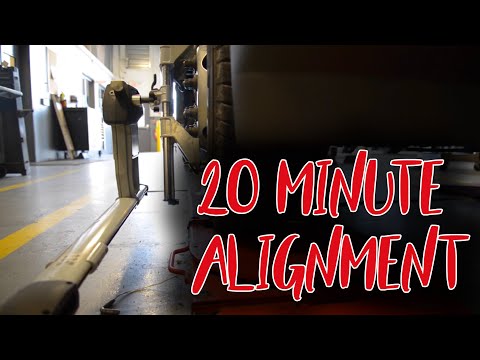
A professional four-wheel alignment is a mandatory diagnostic tool after any front-end impact. If the alignment readings show that the 'camber' or 'caster' is out of specification and cannot be adjusted, it is physical proof that a suspension component is bent. Always ask for an alignment printout to document this for your records.

The Complexity of the Cooling System Stack
The front end of a 2018 Ram 1500 houses a complex cooling stack. This is not just a single radiator; it is a sandwich of components:
- Radiator: For engine coolant.
- A/C Condenser: For the air conditioning system.
- Auxiliary Coolers: Often for transmission or power steering fluid.
- Active Grille Shutters: Small slats that open and close for aerodynamics.
These components are made of thin aluminum and are often held in place by plastic brackets. A collision that pushes the bumper inward can tweak the radiator support. Even if the radiator is not leaking yet, the stress on the plastic tanks can lead to a failure a month later. Furthermore, the active grille shutters are often shattered in a front-end hit and require electronic calibration after they are replaced.
Parts Selection: OEM vs. Aftermarket
Whether the insurance company pays for Original Equipment Manufacturer (OEM) parts or aftermarket/recycled parts depends on your specific policy language and state regulations.
However, for critical steering and suspension components, many manufacturers recommend using only new OEM parts to ensure the safety systems—like Electronic Stability Control (ESC)—function correctly. If the impact was hard enough to trigger a sensor or affect the Electric Power Steering (EPS) motor, using the correct parts is a safety necessity, not just a preference. Review your policy and consult your repair facility if you have concerns about the parts being used.
What should you do to ensure a proper repair?
To ensure your 2018 Ram 1500 is returned to its pre-accident condition, follow these steps:
- Demand a Diagnostic Scan: Ask the repair facility for a copy of the pre-repair and post-repair diagnostic scans. If the collision caused an electrical fault in the power steering motor, the computer will have stored a code.
- Verify the Hub Inspection: If the wheel was hit, insist that the shop check the hub and bearing. If the impact was hard enough to bend a steel control arm, the precision bearings inside that hub were likely stressed.
- Review the Alignment Printout: This document shows the 'before' and 'after' measurements of your truck’s suspension geometry. It is your best evidence that the mechanical systems have been restored to manufacturer specifications.
- Check for Leaks Post-Repair: After picking up the truck, monitor the ground for any fluid leaks and watch for electronic warnings on the dashboard.

The Bottom Line: A front-end collision on a 2018 Ram 1500 is a mechanical event, not just a cosmetic one. By understanding that steering, cooling, and suspension systems are interconnected, you can better advocate for a complete repair. Never authorize a shop to 'just fix the dents' if the truck was hit in the wheel or the cooling package. Professional documentation is the only way to ensure your truck is as safe as it was before the accident.



No Comments Yet
Be the first to comment on this article.