Curtis.Castiglione@ROzebra.com
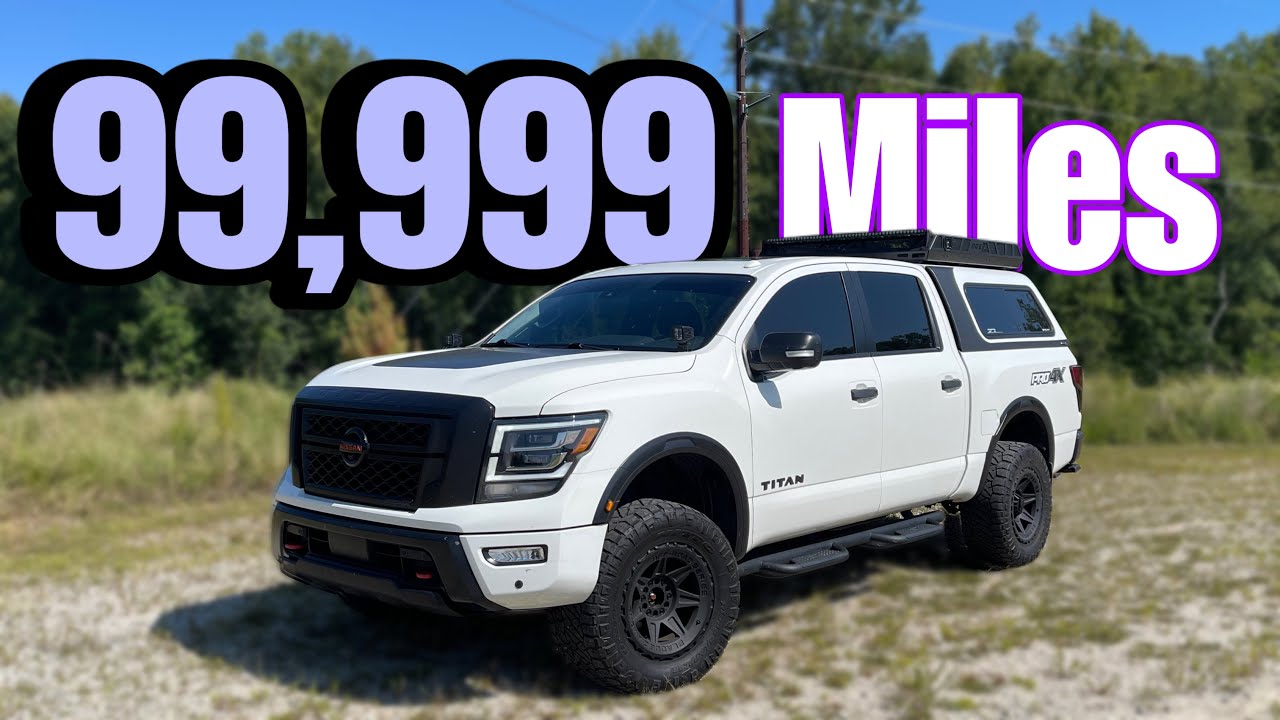
2018 Nissan Titan Rear Collision Repair Guide
When a 2018 Nissan Titan is involved in a rear-end collision, the initial reaction from the owner is often relief: "It was just a low-speed bump; the bumper looks fine." However, in the world of modern collision repair, what you see on the surface rarely tells the whole story.
Because the Nissan Titan is designed for heavy-duty work and towing, its rear assembly is a complex integration of structural steel, electrical systems, and precision-aligned body panels. Understanding how these components react to an impact and how insurance companies handle the resulting claims is the key to ensuring your truck remains safe and functional.
Why did my repair estimate increase after the shop started working?
This is perhaps the most common question truck owners ask. The answer lies in the difference between a visual estimate and a professional teardown.
Most insurance adjusters write an initial estimate based on what is visible while the vehicle is fully assembled. On a 2018 Titan, the chrome or painted bumper face bar may spring back into shape after an impact, looking relatively normal. However, once the shop removes that outer shell, they often find hidden damage to the energy-absorbing components underneath.
The Role of Hidden Bumper Brackets
The bumper on a Titan is an assembly, not a single piece of metal. Underneath the plastic step pads and the outer skin are mounting brackets made of high-strength steel. These are designed to deform or crush to absorb collision energy and protect the truck frame.
- The Issue: Bent brackets are often impossible to see until the bumper is removed.
- The Result: If these one-time use parts are not replaced, your new bumper will be misaligned, may vibrate at high speeds, and will not protect you properly in a second accident.
- Insurance Terminology: This discovery leads to a supplement—an additional request for parts and labor sent to the insurance company once the hidden damage is documented.

Tailgate Integrity: More Than Just a Latch
A 2018 Nissan Titan tailgate is a heavy, precision-fit component. It is a mistake to assume it is undamaged just because it still opens and closes. During a rear impact, the force can transfer through the bumper into the bed rear pillars. Even a slight shift in these pillars can cause:
- Misalignment: Uneven gaps between the tailgate and the bedsides.
- Water Intrusion: Seals no longer seating correctly, leading to rust or damage to cargo.
- Latch Failure: Internal rods and locking mechanisms may be stressed or bent, leading to a tailgate that eventually jams or drops unexpectedly.
A proper inspection requires checking the squareness of the bed box. If the internal structure is kinked, the estimate must include labor hours for structural realignment—a process that requires specialized frame equipment.
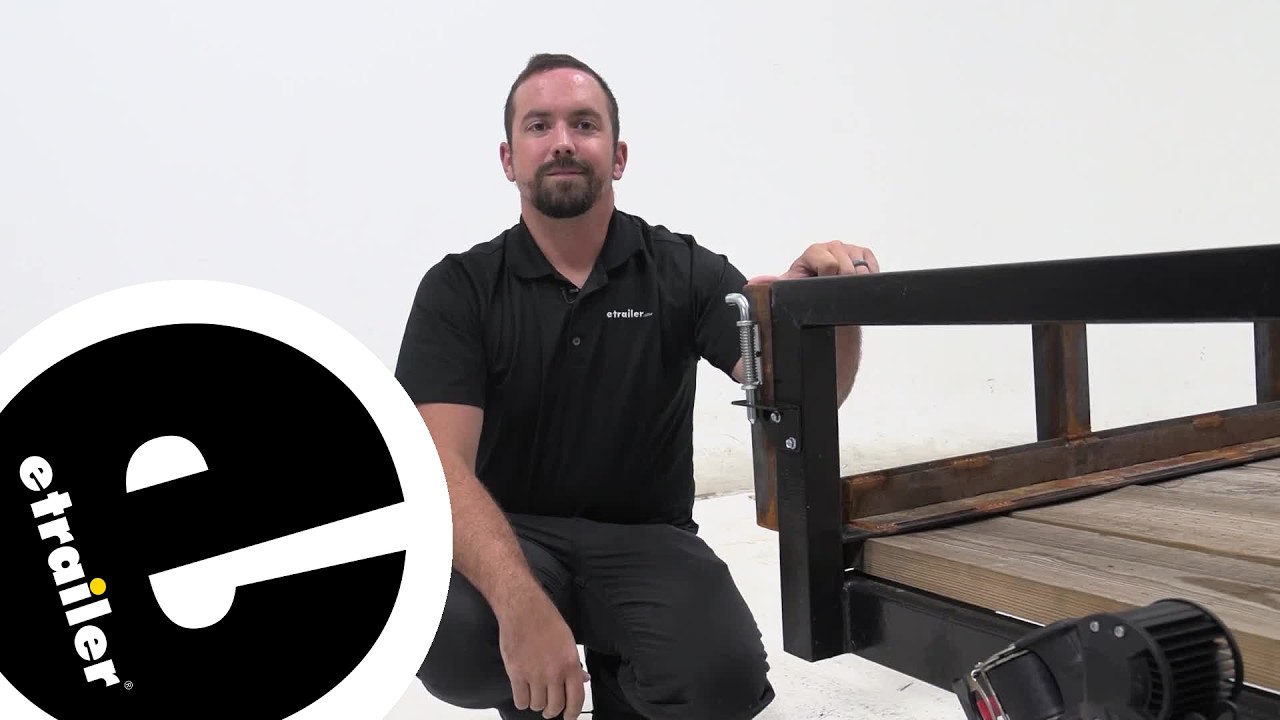
The Silent Damage: Trailer Wiring and Connectors
The trailer wiring connector on the Titan is positioned low, near the center of the bumper—directly in the strike zone for most rear collisions. Even if the plastic housing looks intact, the internal electrical pins can be cracked or pushed back. This creates a significant long-term headache for owners:
- Corrosion: Small cracks allow moisture to enter the harness. Over months, this causes green corrosion to travel up the wires.
- Ghost Signals: You may find that your truck lights work fine, but your trailer blinkers or brakes fail intermittently.
- The Fix: Always insist on a trailer-light function test (a voltage test at the plug) after a rear impact. If the connector is damaged, it is much easier to have the insurance company pay for a new sub-harness now than to try to prove the accident caused your electrical failure six months from now.

ADAS and Electronics: The Need for Recalibration
Modern Titans are often equipped with rear sonar sensors (parking sensors) and a backup camera integrated into the tailgate handle. If your repair involves removing the tailgate handle or replacing the bumper, the vehicle computer system may need to be scanned and the sensors recalibrated.
Recalibration ensures the field of vision for the sensors is accurate. Many insurance policies cover this, but only if the repair facility provides a diagnostic report showing the manufacturer requires the procedure.
Navigating the Insurance Claim: Practical Steps
When dealing with an insurance claim for your Titan, keep these factors in mind:
- OEM vs. Aftermarket Parts: Your policy may allow the insurance company to quote alternative or aftermarket parts. However, for structural items like trailer hitches or high-strength steel brackets, you should consult with your repairer. Some aftermarket parts may not meet the same towing or safety specifications as Original Equipment Manufacturer (OEM) parts.
- Choose Your Shop Wisely: You have the legal right to choose your repair facility in most states. Choose a shop that understands the specific repair requirements for Nissan trucks and is willing to advocate for a complete teardown.
- The Pre-Loss Condition: The goal of an insurance claim is to return the vehicle to its pre-loss condition. This includes the mechanical integrity of the towing system, not just the shiny paint on the bumper.
What should I do before authorizing repairs?
- Ask for a teardown: Do not let the shop order parts based only on a visual estimate.
- Request a scan: Ensure the shop performs a pre-repair and post-repair diagnostic scan of the vehicle computers.
- Test the towing system: Explicitly ask for a voltage test on the 7-pin trailer connector.
- Review the supplement: If the repair cost goes up, ask the shop to show you the damaged internal parts (the brackets or the wiring) so you understand why the initial estimate was insufficient.
By focusing on the hidden structural and electrical components, you can ensure that your 2018 Nissan Titan is just as capable and safe after the repair as it was the day it left the showroom.
Disclaimer: Insurance policies, state laws, and manufacturer repair procedures vary. Always review your specific policy and consult with a qualified automotive professional regarding your vehicle repairs.



No Comments Yet
Be the first to comment on this article.