Curtis.Castiglione@ROzebra.com

2018 Nissan Rogue Wheel Bearing and Suspension Collision Damage
When a vehicle like a 2018 Nissan Rogue is involved in a collision where the front wheel strikes an object—be it another car, a curb, or a deep pothole—the visible damage to the fender or bumper is often the least of your concerns. Even if the body damage appears minor, the mechanical energy from the impact does not simply stop at the tire. It travels through the wheel assembly and directly into the suspension system. This is why a professional inspection and a detailed repair estimate are critical for both your safety and your insurance claim.
The "Lever Effect": How Force Travels Through Your Suspension
In a front-wheel collision, the wheel and tire act as a large lever. When the outer edge of the tire is struck, it multiplies the force applied to the components behind it. Even a low-speed impact can exert thousands of pounds of lateral (side-to-side) pressure on parts designed primarily to handle vertical (up-and-down) loads.
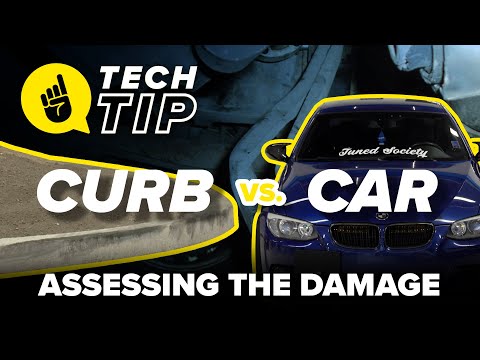
The force of the impact is transferred directly into the following components:
- The Wheel and Tire: Checking for bends, cracks, or "runout."
- The Wheel Bearing (Hub Assembly): The precision component that allows the wheel to spin.
- The Steering Knuckle: The heavy iron or aluminum piece that holds the bearing and connects to the suspension.
- The Strut: The shock absorber and spring assembly that controls ride and height.
- Control Arms and Tie Rods: The "limbs" of the suspension that manage steering and wheel position.
- The Subframe: The structural cradle that holds the engine and suspension.
Why Wheel Bearings Are a Hidden Risk
The most deceptive component in a wheel impact is the wheel bearing. A wheel bearing consists of precision-hardened steel balls or rollers housed in a metal track called a "race." A hard impact can cause a condition known as "brinelling," which occurs when the rollers are slammed into the race with such force that they create microscopic indentations.
You might drive away from the accident scene thinking the car is fine, only to develop a loud humming noise, a vibration, or a loose steering feel weeks or months later. This creates a significant hurdle for your insurance claim:
- Delayed Symptoms: A brinelled bearing may not make noise immediately. It might take 500 or 1,000 miles of driving for those microscopic dents to wear down into a loud growl.
- The "Pre-Existing" Trap: If you wait until the bearing starts making noise months after the accident to tell your insurance company, they may deny the claim, arguing the damage is "wear and tear" rather than accident-related.
- Professional Inspection: A technician can inspect the bearing for "play" and roughness while the vehicle is on the lift for other repairs. Documenting this early is essential for a successful supplement.

Using Alignment as a Diagnostic Tool
An alignment is more than just a maintenance item; it is a vital diagnostic tool. When a technician puts your Rogue on the alignment rack, the computer measures the geometry of the suspension (Camber, Caster, and Toe). If these settings are outside of factory specifications and cannot be adjusted back, it is a definitive indicator that a mechanical component is bent.
Simply adjusting the alignment settings to get the numbers "in the green" on the screen without investigating a bent component is a common mistake. For example, if a steering knuckle is slightly distorted, the car might technically be alignable, but the steering geometry will be compromised. This can lead to erratic handling in emergency maneuvers and premature tire wear.
Insurance Claims and Repair Documentation
When filing an insurance claim for suspension damage, documentation is your most important asset. Insurance companies generally cover "sudden and accidental" damage, but they may balk at replacing mechanical parts if the connection to the accident is not clear.
- Proving the Point of Impact: The repair estimate should explain exactly what was damaged and why replacement is necessary. If the wheel is gouged or scratched, take a photo. This serves as evidence that the force reached the underlying bearing and suspension parts.
- The Supplement Process: It is very common for an initial insurance estimate to cover only the visible bodywork. Once the shop "tears down" the vehicle and puts it on an alignment rack, they may find hidden damage. The shop will then submit a "supplement"—a request for additional funds—to the insurance company.
- OEM vs. Aftermarket Parts: On a 2018 Nissan Rogue, ensuring parts meet original specifications is important because the suspension geometry affects the sensors and cameras used in Advanced Driver Assistance Systems (ADAS). You should review your policy to see if you have "OEM parts" coverage or if the insurer has the right to specify aftermarket or recycled parts.
Practical Steps for the Vehicle Owner
If your 2018 Nissan Rogue has sustained a wheel impact, do not authorize a cosmetic-only repair. Follow these steps to protect your vehicle's value and your safety:
- Request a Pre-Alignment: Ask the repair facility if they are performing a suspension teardown and a diagnostic alignment check. Ask for the printout.
- Document the Wheel: Ensure the technician specifically inspects the wheel bearing for smoothness and the strut for leaks or bends.
- Check for "Setback": Ask the technician if they checked for "wheel setback," which indicates if the wheel has been pushed backward toward the rear of the car—a sign of a bent control arm or subframe.
- Be Prepared for Supplements: If the insurance company's initial estimate only covers bodywork, be prepared for the shop to find more damage during the teardown. A quality repair facility will document these findings with photos and alignment data.
The Bottom Line: For a 2018 Nissan Rogue, a damaged wheel should never automatically be treated as the entire repair. The components behind that wheel are what keep you on the road and ensure your safety systems function as designed.
Disclaimer: Insurance policies, state regulations, and manufacturer procedures vary. Always consult with your insurance provider and a qualified collision repair professional regarding your specific situation.



No Comments Yet
Be the first to comment on this article.