Curtis.Castiglione@ROzebra.com

2018 Nissan Rogue Front-End Damage: A/C and Cooling System Guide
If you have been involved in a front-end collision with a 2018 Nissan Rogue, the damage you see on the surface rarely tells the whole story. While a cracked bumper cover or a broken grille is obvious, the components directly behind those plastic pieces are delicate and essential to the vehicle’s operation. Specifically, the AC condenser and the engine cooling package are often compromised in impacts that appear minor.
Why did my insurance estimate change after the shop took the car apart?
When an insurance adjuster or a body shop writer first looks at your vehicle, they often write a "visual-only" estimate. This document covers only what can be seen without taking the car apart. On a 2018 Rogue, the AC condenser is the first component behind the grille. It is a thin, aluminum heat exchanger that can bend or develop microscopic hairline fractures from an impact that didn't even break the radiator.

In the collision industry, the difference between the initial estimate and the final repair bill is called a "supplement." For a 2018 Nissan Rogue, supplements are common because the cooling package is a "stack" of components. This stack includes:
- The AC Condenser: High-pressure refrigerant lines and thin cooling fins.
- The Radiator: Holds the engine coolant.
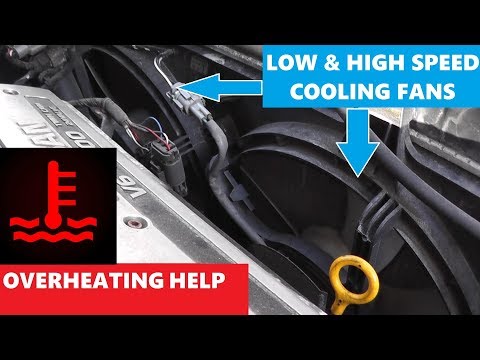
- Cooling Fans: Electric motors and plastic shrouds.
- Radiator Support and Brackets: The frame that holds these components in place.
When the bumper is pushed inward during a crash, it may spring back into its original shape, but the metal brackets and supports behind it stay bent. If these brackets are even slightly out of place, it can cause vibration, rubbing, or stress on coolant hoses, leading to a catastrophic failure down the road. This is why a professional teardown—removing the bumper and fascia—is necessary to identify the true extent of the damage.
Does insurance cover mechanical damage to the AC and cooling system?
Yes, insurance typically covers mechanical damage to the AC and cooling system if it is a direct result of the collision. However, there are important distinctions to understand regarding your policy and the repair process.
The "Wear and Tear" vs. "Accident Damage" Distinction
Insurance companies will not pay for pre-existing issues. If your radiator was already leaking or your AC was already broken before the accident, the insurance company may deny that portion of the claim.
Understanding Betterment
If your vehicle has high mileage and a damaged part is replaced with a brand-new one, the insurance company may apply betterment. This occurs because the new part "betters" the condition of the car compared to its pre-accident state. In these cases, the insurance company might only pay a percentage of the part's cost, leaving the vehicle owner responsible for the remainder.
OEM vs. Aftermarket Parts
Nissan, like most manufacturers, recommends Original Equipment Manufacturer (OEM) parts for the cooling system to ensure proper fitment and cooling efficiency. However, many insurance policies are written to allow for aftermarket or recycled (used) parts. You should review your policy or consult your agent to see if you have an OEM endorsement or if you are required to use alternative parts.
The Hidden Complexity: Sensors and ADAS
Modern 2018 Nissan Rogues are equipped with Advanced Driver Assistance Systems (ADAS). Often, the radar sensor for the Forward Emergency Braking system is located behind the front emblem or bumper area.
An impact that damages the AC condenser is almost certainly an impact that has moved or jarred this sensor. Even if no warning lights are on the dashboard, the sensor may be "out of aim." Proper repair requires:
- A Pre-Repair Scan: To see if the computer has logged any hidden faults.
- Structural Realignment: Ensuring the mounting points for the sensors are perfectly straight.
- Digital Calibration: Using specialized equipment to ensure the radar and cameras "see" the road correctly.

What should I do after a front-end impact?
If you are researching repairs for your Rogue, follow these practical steps to ensure your vehicle is returned to safe, working order:
- Request a Full Teardown: Ask the repair facility to remove the bumper cover and inspect the "cooling stack" and the radiator support before they finalize the repair plan.
- Test the AC Immediately: Even if it is winter, turn on your air conditioning and defroster. If the air doesn't get cold or if you hear a new hissing sound, the condenser may have a slow pressure leak.
- Check for Fluidless Damage: Do not assume that because the car isn't leaking fluid on the ground, the cooling system is safe. The 2018 Rogue uses high-strength steels and plastics designed to absorb energy. This energy is often transferred directly into the condenser and radiator mounts, which can be bent without leaking—initially.
- Verify Calibration Documentation: Ensure the shop performs a post-repair scan and provides documentation that any necessary ADAS calibrations were completed.
Common Mistakes to Avoid
The most common mistake is authorizing a "quick fix" that only replaces the visible plastic bumper. Ignoring a "slight" bend in the cooling package can lead to engine overheating or AC compressor failure months after the insurance claim is closed. Once the claim is settled and time has passed, it becomes much harder to prove that a mechanical failure was related to the original accident.
The Bottom Line: Always consult with a qualified collision repair professional who follows Nissan’s factory repair procedures. If there is a disagreement between the shop and the insurance company regarding the necessity of replacing a bent condenser, refer to the manufacturer’s published repair positions. These documents provide the technical justification needed to ensure your Rogue is safe to drive.
Written by Curtis Castiglione



No Comments Yet
Be the first to comment on this article.