Curtis.Castiglione@ROzebra.com

2018 Nissan Frontier Rear Collision and Hitch Damage
By Curtis Castiglione
If you own a 2018 Nissan Frontier and were recently rear-ended, you might be looking at your truck and thinking, 'It is just a bruised bumper.' However, in the world of collision repair, trucks—specifically those equipped with trailer hitches—behave very differently than passenger cars during an impact.
What starts as a $1,200 insurance estimate for a plastic bumper cover can quickly spiral into a $5,000 structural repair. Understanding the relationship between your hitch, your frame, and your insurance claim is vital before you authorize a shop to begin work.
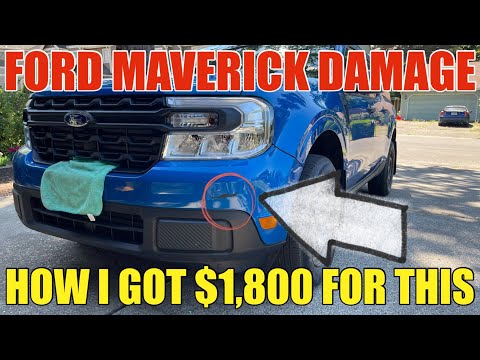
Why does my 2018 Nissan Frontier repair estimate keep increasing?
It is common for an initial insurance estimate, often written in a driveway or via a photo-app, to include only the visible damage. This is known as a preliminary estimate.
The reason the cost increases is the supplement process. Once a body shop performs a 'teardown' (removing the bumper and hitch), they often find damage to the structural components underneath. The shop then submits a supplement to the insurance company—a request for additional funds to cover the newly discovered damage. On a Frontier, the presence of a trailer hitch is the primary driver of these cost increases.
The Physics of a Hitch Impact: The Force Multiplier
Most modern passenger cars are designed with crush zones—sections of the body intended to collapse and absorb energy. A 2018 Nissan Frontier has these too, but the trailer hitch often bypasses them.
The hitch receiver is bolted directly to the high-strength steel frame rails. Because the hitch is a rigid, heavy-duty steel component, it does not 'give' during a collision. Instead, it acts as a bridge, transferring the energy of the impact directly into the truck’s frame.
Common structural issues include:
- Frame Rail Deformation: The mounting holes where the hitch meets the frame can become 'egged out' or elongated.
- Frame Buckling: The section of the frame just behind the rear wheels can buckle or 'diamond' under the stress of the impact.
- Crossmember Damage: The structural bars connecting the two sides of the frame can twist.

Critical Areas That Require Inspection
When a Frontier is hit from behind, a professional inspection must go beyond the cosmetic plastic. Here is what your repair facility should be looking for:
1. The Hitch Receiver and Mounting Brackets
Even if the receiver looks straight, it may have sustained internal stress fractures or microscopic bends. If you use your truck for towing, a compromised hitch is a significant safety risk. Most manufacturers recommend replacing a hitch that has sustained a direct collision impact to ensure its weight rating remains valid.
2. Trailer Wiring and Electrical Systems
The 7-way or 4-way trailer connector is often mounted directly to or near the bumper. An impact can pinch the wiring harness against the frame. This may not cause an immediate failure but can lead to intermittent electrical 'ghosts', blown fuses, or 'trailer disconnected' warnings weeks after the repair.

3. The Spare Tire Carrier
The Frontier’s spare tire is tucked up under the bed. A rear-end hit can push the hitch or bumper structure forward, crushing the winch mechanism or the carrier itself. If this is not checked, you might find yourself on the side of the road with a flat tire, unable to lower your spare.
4. Bed Structure and Exhaust
If the force is high enough, the frame can flex upward, causing the front of the truck bed to hit the back of the cab, or causing the rear of the bed floor to ripple. Additionally, the exhaust system can be shoved forward, damaging hangers, gaskets, or even the exhaust manifold at the engine.
Parts Quality: OEM vs. Aftermarket
One of the biggest points of contention in an insurance claim is the type of parts used.
- OEM (Original Equipment Manufacturer): Parts made by Nissan.
- Aftermarket/Recycled: Parts made by third parties or salvaged from total-loss vehicles.
For a cosmetic bumper cover, insurance companies often push for aftermarket parts to save costs. However, when it comes to the hitch and frame components, many experts argue for new OEM parts. Because the hitch is a critical safety and towing component, its structural integrity is paramount. You should review your policy and consult with your shop regarding the safety implications of using non-OEM structural parts.
Modern Tech: ADAS and Sensors
Even a 2018 model may be equipped with rear parking sensors or a backup camera. These components are part of the Advanced Driver Assistance Systems (ADAS). If these sensors are moved even a few millimeters due to a bent bracket, they may require calibration. This is a specialized labor operation that ensures your safety tech is actually 'seeing' what it is supposed to see.
Checklist: Questions to Ask Your Repair Shop
Before you pick up your vehicle and sign off on the insurance payment, ask the following:
- Was the frame measured? If the hitch was hit, a visual 'it looks straight' is not enough.
- Did you test the trailer wiring? Ensure the connector still provides power to all lighting circuits.
- Is the spare tire accessible? Ask them to demonstrate that the winch still functions.
- Were any trouble codes found in the computer? Even if no lights are on the dash, there may be 'stored' codes for the parking sensors.
- Is the hitch new OEM or aftermarket? Knowing this is important for your future towing liability.
The Bottom Line
A rear-end collision on a 2018 Nissan Frontier is rarely 'just a bumper.' Because of the way the hitch and frame are integrated, the structural health of your truck depends on a thorough teardown and a detailed inspection. Do not rush the process; ensuring the frame and hitch are sound is the only way to guarantee your truck remains 'Frontier tough' for the next time you need to tow.
Disclaimer: Insurance policy provisions and state laws vary significantly. This article is for informational purposes and does not constitute legal or professional insurance advice. Always review your specific policy and consult with a qualified repair professional or claims adjuster.



No Comments Yet
Be the first to comment on this article.