Curtis.Castiglione@ROzebra.com
2018 Kia Stinger Front-End Collision Repair Guide
If you have been involved in a front-end collision in a 2018 Kia Stinger, you might be surprised when the initial insurance estimate comes back significantly lower than the final repair bill. On the surface, a Stinger is a sleek sports sedan, but beneath that bumper cover lies a dense cooling stack and sophisticated electronics packed into a very tight space.
What looks like a minor fender bender can hide structural shifts and electrical faults that require professional diagnostic tools and a formal insurance supplement process to resolve. Here is what happens behind the scenes during a professional collision repair and why these specific components drive up the cost.
The Complexity of the Cooling Module Sandwich
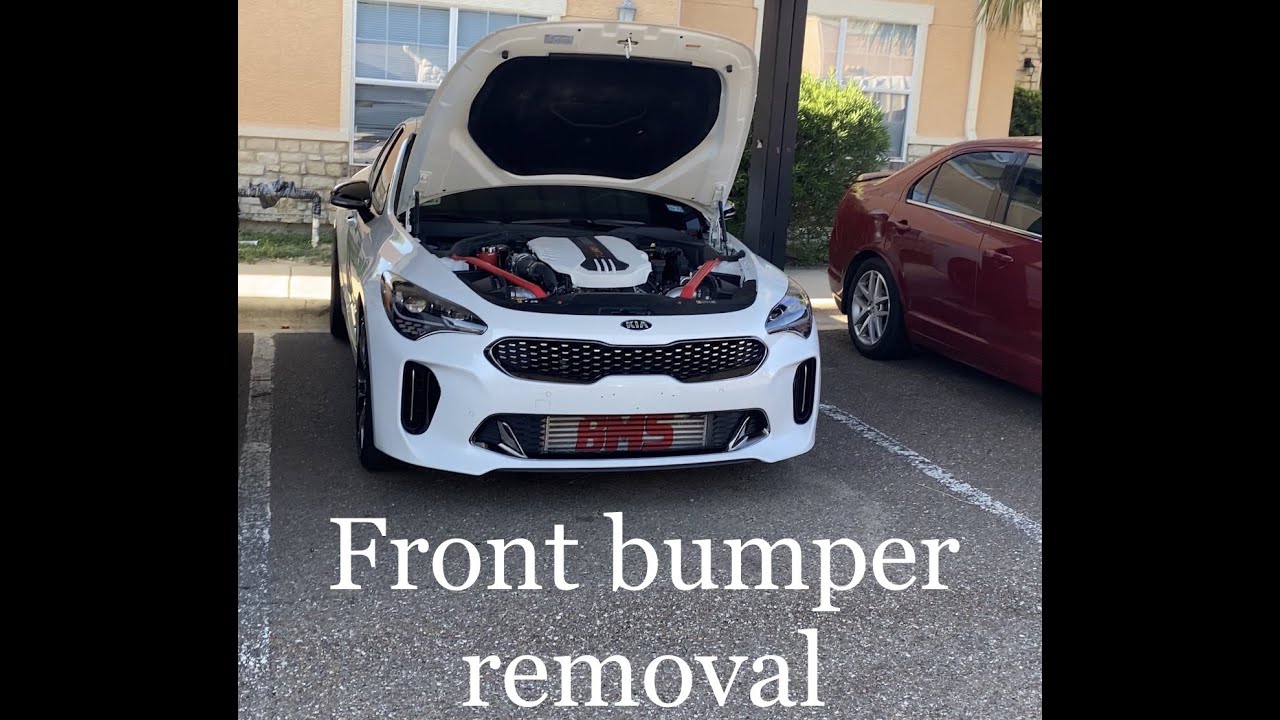
In many older vehicles, the radiator sits alone behind the grille. In a 2018 Kia Stinger, the cooling module is a complex sandwich of several different components:
- The Air Conditioning Condenser: Usually the first line of defense, sitting closest to the grille.
- The Radiator: Responsible for engine cooling.
- The Transmission Oil Cooler: Critical for the longevity of the Stinger’s high-performance gearbox.
- The Intercooler: On turbocharged models, this cools the air entering the engine.
These components are held together by plastic and metal mounting brackets designed for weight savings rather than impact resistance. During a teardown, technicians look for witness marks—small rubs or scuffs on the cooling fins. Even if a radiator is not leaking immediately, a distorted mounting bracket can put stress on the plastic side tanks. This often leads to a catastrophic failure weeks after the car is returned. Because these parts are vital to the engine, this is categorized as collision-related mechanical damage.
The Hood Latch: A Warning Sign for Structural Damage
The hood latch on a Stinger is not just a lock; it is a diagnostic indicator. The latch is bolted directly to the radiator support. If you find that your hood requires excessive force to close, or if it does not pop up easily when you pull the release, the front-end structure has likely shifted.
This is a major safety concern. If the latch is misaligned, the secondary safety catch may not engage correctly, risking a hood fly-up while driving. Repairing this involves more than just adjusting the latch. A collision facility must verify the measurements of the radiator support and the front frame rails using a 3D measuring system. If the support is cracked or bent, it must be replaced to ensure that the hood, fenders, and headlights align to factory specifications.

Wiring, Sensors, and ADAS Calibration
Modern Stingers are mobile computers. Behind that front bumper, you will find:
- Parking Sensors: Small circular sensors that assist with low-speed maneuvering.
- Radar Sensors: Used for Autonomous Emergency Braking (AEB) and Smart Cruise Control.
- Complex Wiring Harnesses: These wrap around the front of the vehicle to power lights and sensors.
During an impact, wiring harnesses are frequently pinched or stretched. A stretched wire is particularly frustrating because it might not break immediately. Instead, it develops high internal resistance, leading to intermittent dashboard warning lights that appear and disappear randomly.
Furthermore, if a radar sensor is moved even a fraction of an inch due to a bent bracket, it must be recalibrated. This requires specialized targets and diagnostic software to ensure the car sees the road correctly.

Why Did My Insurance Estimate Change?
It is common for a vehicle owner to receive an initial estimate from an insurance adjuster that seems too low. This is because initial estimates are typically visual-only. Adjusters cannot see through plastic bumpers to find a cracked intercooler or a pinched wire without disassembly.
The real work begins during the teardown phase. Once the shop removes the damaged exterior parts, they perform a thorough inspection and discover the hidden damage mentioned above. The shop then submits a supplement to the insurance company.
A supplement is a formal request for additional funds and labor time to cover the newly discovered damage. In the world of professional collision repair, seeing at least one supplement on a front-end hit is standard practice—it ensures the car is actually restored to pre-accident condition rather than just looking good on the outside.
What Should You Do if You Have Front-End Damage?
If you are navigating a claim for your Kia Stinger, take these practical steps to protect your investment:
- Request a Pre-Repair Scan: Ask the shop to perform a diagnostic scan of the vehicle’s computers before work begins. This documents fault codes triggered by the accident, proving they are collision-related.
- Verify Part Types: Ask whether the estimate uses Original Equipment Manufacturer (OEM) parts or Alternative (aftermarket or recycled) parts. For performance cooling components and ADAS sensors, OEM parts are often the only way to ensure proper fit and calibration.
- Check Latch Operation: When you pick up your car, test the hood release several times. It should operate smoothly without slamming or sticking.
- Review the Supplement: Have the shop walk you through the supplement. A reputable facility should be able to show you physical evidence—like a bent bracket or a trouble code on a scan tool—that justified the extra costs.
While the physical requirements for repairing a Kia Stinger are dictated by the manufacturer's engineering standards, your insurance coverage is governed by your specific policy and state law. Always review your policy and consult with your insurance provider and repair facility regarding specific coverage limits and out-of-pocket responsibilities.
Written by Curtis Castiglione



No Comments Yet
Be the first to comment on this article.