Curtis.Castiglione@ROzebra.com
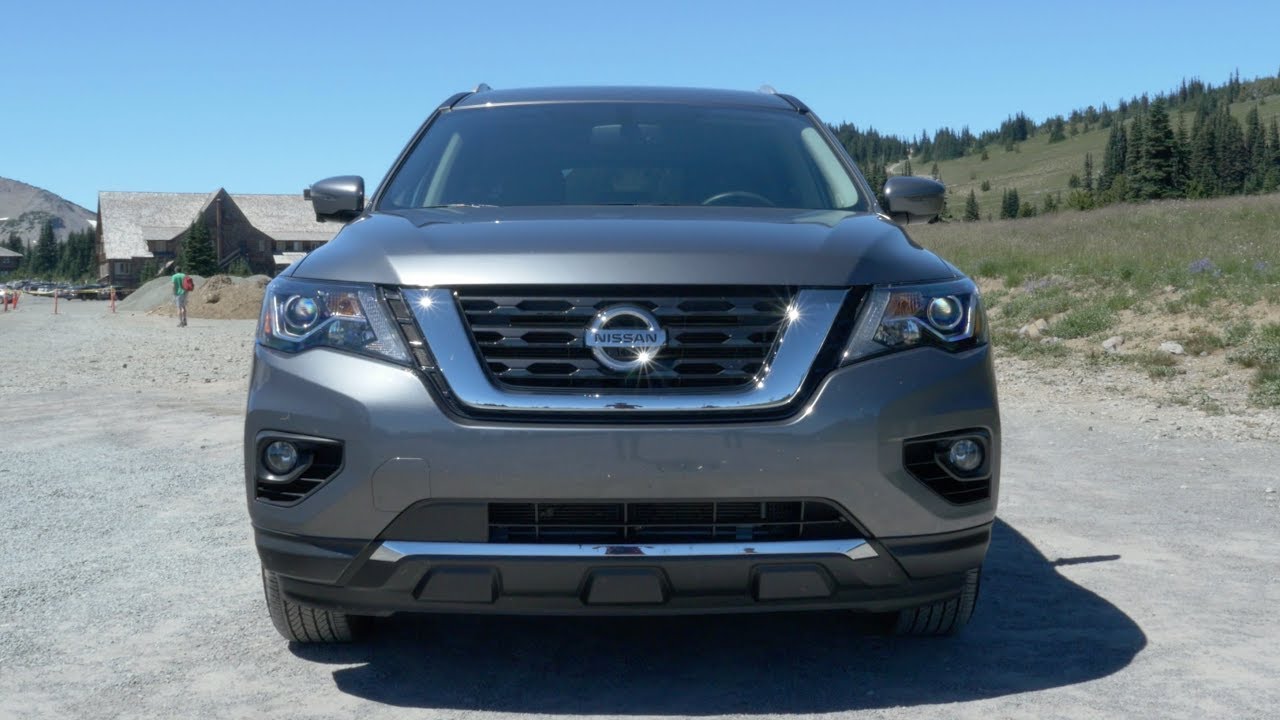
2018 Infiniti QX60 Collision Repair & Hidden Damage Guide
By Curtis Castiglione
If you own a 2018 Infiniti QX60 and have recently been involved in a front-corner collision—specifically around the fog lamp and fender area—you might be surprised by the initial repair estimate. Whether it was written by an insurance adjuster in your driveway or generated through a mobile app, that first number is rarely the final cost.
In the world of professional collision repair, we call the first estimate a visual. It covers what can be seen without taking the car apart. However, modern luxury crossovers like the QX60 are designed to absorb energy in ways that hide damage deep beneath the surface.
The Aesthetic Skin vs. The Internal Structure
The plastic bumper cover on your Infiniti is essentially a skin. It is designed to flex and, in many cases, pop back into shape after a low-speed impact. However, the components behind it are far less resilient.

When a shop begins the teardown—the process of removing the bumper cover, fender liner, and splash shields—they often find:
- Broken Mounting Tabs: Headlamp assemblies and fog lamp housings are held in place by plastic tabs. Even if the light still works and is not cracked, a single broken tab often requires the replacement of the entire unit to ensure proper aim and fitment.
- Distorted Brackets: There is a network of plastic and thin metal brackets that hold the bumper and fender in perfect alignment. If these are even slightly bent, your gaps (the spaces between body panels) will look uneven, and you may experience wind noise at high speeds.
- Fluid Reservoirs: The windshield washer reservoir is often tucked into the front corner. A sharp impact can crack the tank or the pump, which might not leak immediately but will fail shortly after.
When Body Work Becomes a Mechanical Repair
If the impact reached the front wheel or tire, the scope of the repair shifts from body work to mechanical diagnosis. The 2018 QX60 utilizes a MacPherson strut front suspension. These components are precision-engineered; even a curb strike at 10 mph can bend a lower control arm, a tie rod end, or the strut itself.
Why an Alignment Check is Mandatory
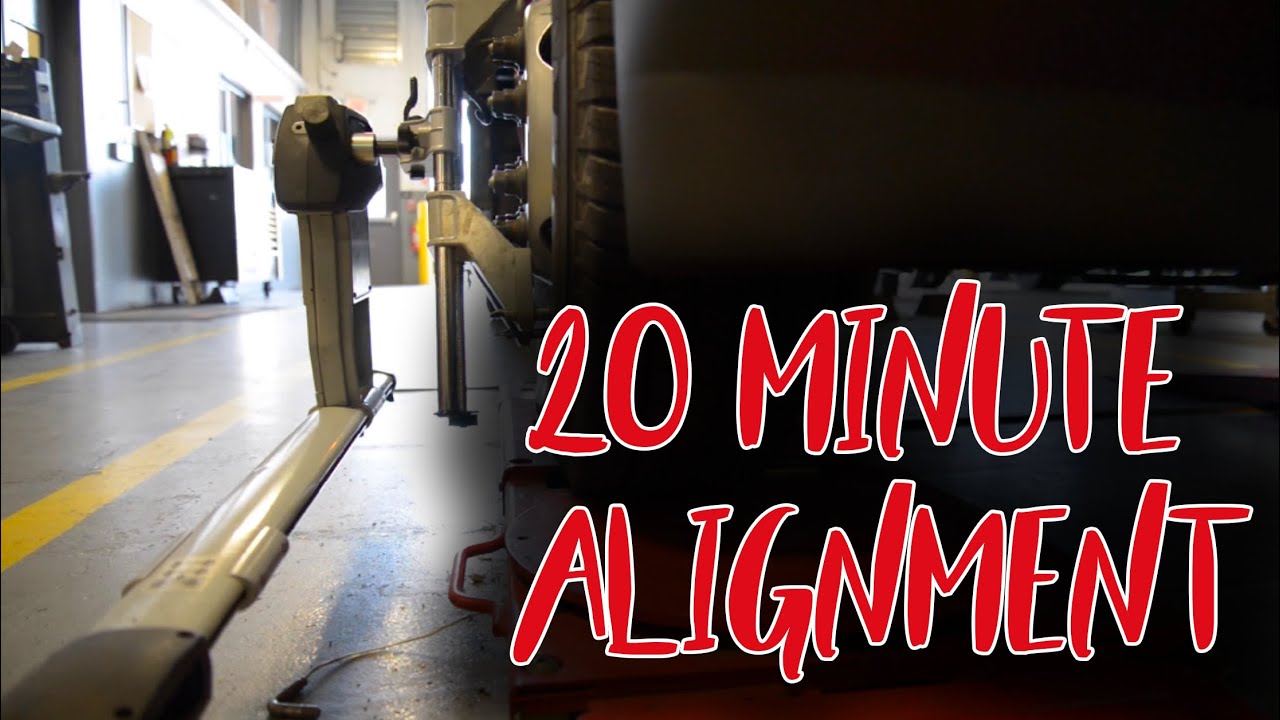
You cannot eye-ball a bent suspension. A professional repair facility will perform a four-wheel alignment check. If the measurements (camber, caster, or toe) are outside of the manufacturer’s specifications and cannot be adjusted back, it provides objective, documented proof to the insurance company that a mechanical component was damaged in the collision.
Technology and ADAS Recalibration
The 2018 QX60 is packed with technology designed to keep you safe. Depending on your trim level, the front corner area may house or be adjacent to:
- Parking Sensors: Ultrasonics embedded in the bumper.
- Radar Sensors: Used for Intelligent Cruise Control and Forward Emergency Braking.
- Cameras: Part of the Around View Monitor system.
Even if these sensors are not directly hit, the act of removing the bumper or replacing a fender can disrupt their field of vision. Most manufacturers, including Infiniti, require ADAS (Advanced Driver Assistance Systems) recalibration after such repairs. This is a specialized labor operation involving diagnostic computers and target boards to ensure your car’s safety systems are actually looking where they are supposed to.

Understanding the Insurance Supplement
It is common for there to be a gap between the insurance company's initial payment and the final bill. This is resolved through a supplement.
- Discovery: The shop finds hidden damage during teardown or alignment.
- Documentation: The shop takes photos of the broken tabs, bent metal, or out of spec alignment readings.
- Submission: The shop sends this evidence to the insurance adjuster.
- Approval: The insurance company issues an additional payment for the newly discovered parts and labor.
As the vehicle owner, you should ensure your repair facility is diligent about documenting these findings. Clear photos of damaged mounting points and diagnostic printouts are the best tools to ensure your insurance claim covers the full extent of the damage.
Parts Selection: OEM vs. Aftermarket
Insurance policies vary significantly by state and by provider regarding the types of parts used. You may see terms like:
- OEM (Original Equipment Manufacturer): Parts made by Infiniti.
- Aftermarket: New parts made by a third party.
- LKQ (Like Kind and Quality): Recycled parts from a donor vehicle.
For a luxury vehicle like the QX60, part fitment is critical. Aftermarket brackets or liners may not hold the sensors or fog lamps with the same precision as OEM parts. Always ask your shop which parts they are using and review your insurance policy to understand what your coverage allows.
Practical Steps for the Vehicle Owner
If you are researching a repair for your Infiniti, follow these steps:
- Don't Settle for the Drive-In Estimate: Treat the first estimate as a starting point, not the final word.
- Demand a Teardown: Ensure the shop removes the damaged panels to inspect the structure beneath before they order parts.
- Insist on an Alignment Report: If your wheel was involved, ask for the before and after printout of your alignment.
- Ask About Scans: Ensure the shop performs a Pre-Repair and Post-Repair diagnostic scan to check for hidden electronic fault codes.
The Bottom Line: A front-corner hit on a QX60 is rarely just a bumper. By understanding the complexity of the mounting structures, suspension, and safety technology, you can better navigate the repair process and ensure your Infiniti remains safe and reliable.
Disclaimer: Insurance coverage and state laws vary. Always review your specific policy and consult with a qualified repair professional regarding your vehicle's safety and structural integrity.



No Comments Yet
Be the first to comment on this article.