Curtis.Castiglione@ROzebra.com

2018 Honda Accord Rear-Corner Collision Repair Guide
By Curtis Castiglione
If you own a 2018 Honda Accord that has been involved in a rear-corner collision, you might be looking at what appears to be a simple dented metal panel and a broken plastic light. However, from a collision repair perspective, this specific type of damage is often deceptive. What looks like a cosmetic fix can quickly turn into a complex structural repair once the vehicle is disassembled.
Why did my initial insurance estimate change after the car was at the shop?
This is the most common question vehicle owners ask. When an insurance adjuster looks at your Accord in a driveway or a parking lot, they are writing a visual estimate. They see the crushed tail lamp and the buckled quarter panel, but they cannot see what is happening behind those parts.
Once the shop begins the teardown process—removing the rear bumper cover, the tail lamp, and the interior trunk trim—they often find that the impact force traveled deeper into the vehicle. This leads to an insurance supplement.
A supplement is simply a request for additional funds sent by the repair facility to the insurance company to cover damage discovered after the initial inspection. On a 2018 Accord, this often includes:
- Damage to the rear body panel (the back wall of the car).
- Impact damage to the bumper reinforcement bar and its mounting stays.
- Buckling in the trunk floor or spare tire well.

The Trunk Opening and Structural Misalignment
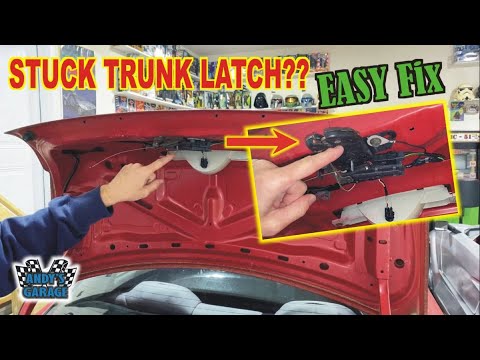
One of the most critical areas to inspect after a rear-corner hit is the trunk opening. You may notice that your trunk lid is untouched, yet it no longer closes smoothly, or the gaps on either side are uneven.
This happens because the quarter panel on a 2018 Accord is a structural component welded to the rest of the body. When the corner is hit, it can pull or rack the entire trunk opening out of square.
Signs of Structural Movement:
- Uneven Gaps: The space between the trunk lid and the body is wider on one side than the other.
- Latch Engagement: You have to slam the trunk to get it to catch.
- Striker Alignment: The metal loop (striker) the trunk latches onto is visibly off-center.
Repairing this requires a frame rack and computerized measuring systems to pull the metal back to Honda’s original factory specifications. If the opening is not corrected, you may experience water leaks into the trunk or excessive wind noise at highway speeds.
The Complexity of Quarter Panel and Tail Lamp Fitment
Unlike a front fender, which is simply bolted on, the rear quarter panel is a stationary part. Replacing it involves drilling out factory spot welds, cutting the metal, and welding a new panel into place.
Because of the labor-intensive nature of this repair, many insurance policies may suggest repairing the metal rather than replacing it if the damage is not too severe. However, the fitment of the tail lamp is the ultimate test of that repair.
The 2018 Accord tail lamp has specific mounting points that are part of the inner body structure. If the underlying metal is not pulled back to its exact position, a new tail lamp will not sit flush with the body. This creates more than just an eyesore; it can leave gaps where debris and moisture collect, eventually leading to corrosion or electrical shorts in the tail-lamp wiring.

Sensors, Wiring, and Modern Technology
Even though the 2018 Accord is several years old, it is equipped with technology that complicates rear-end repairs. Behind the rear bumper cover, there are often Blind Spot Information (BSI) radar sensors.
Even if the sensor itself is not cracked, the bracket holding it may be bent. This is a critical safety issue.
- Calibration: After a collision repair involving the rear structure, these sensors often require electronic recalibration to ensure they are accurately detecting vehicles in your blind spot.
- Wiring Harnesses: The wiring for tail lamps and bumper sensors can be pinched or severed during the impact, requiring electrical diagnosis that is not always obvious during the first walk-around.

Parts Selection: OEM, Aftermarket, and Recycled
Depending on your insurance policy language and state regulations, the estimate may specify Aftermarket (non-Honda) or Recycled (used) parts.
- Aftermarket Parts: A non-OEM tail lamp might look identical but may have different lens clarity or fitment issues.
- Recycled Parts: These are used parts from a donor vehicle. For the quarter panel—a structural weld-on component—many manufacturers, including Honda, have specific positions on whether recycled sections can be safely used.
You should ask your shop for a copy of the OEM Repair Procedures to see how Honda recommends the vehicle be repaired and compare that to what the insurance company is willing to pay for.
What You Should Do Before Authorizing Repairs
Before you sign a repair authorization, take these practical steps to ensure your Accord is handled correctly:
- Ask for a Teardown: Do not assume the first estimate is the final price. Ask the shop to perform a full teardown of the rear corner to identify hidden damage to the bumper mounts and trunk opening.
- Check the Latch: Open and close your trunk several times. If it feels sticky or requires force, tell the estimator immediately. This indicates structural movement.
- Verify Calibrations: Ask if your vehicle has blind-spot sensors and if the repair plan includes the necessary post-repair scans and calibrations required by Honda.
- Review the Supplement: When the shop finds more damage, ask them to show you the difference between the initial estimate and the supplement. A reputable shop will be able to point to the bent metal or damaged wiring that was hidden behind the bumper.
The Bottom Line: Collision repair is a technical process. While insurance provides the funding based on your policy's coverage and limits, the repair facility is responsible for the safety and integrity of the vehicle. Understanding that a simple corner hit involves structural alignment, welding, and electronic calibration will help you navigate the claims process and ensure your Accord is returned to its pre-accident condition.
Note: Insurance policies and state laws vary. Review your policy and consult with your insurance company and a qualified repair professional regarding your specific claim.



No Comments Yet
Be the first to comment on this article.