Curtis.Castiglione@ROzebra.com

2018 GMC Yukon Front-End Collision Repair and Hidden Damage
If you own a 2018 GMC Yukon and have been involved in a front-end collision, you might be surprised—and perhaps frustrated—when the initial repair estimate you received from your insurance company or a body shop increases significantly once the vehicle is actually in the shop.
This isn't a sign of a dishonest repair facility. Rather, it is a reflection of how modern full-size SUVs are engineered. On a vehicle like the Yukon, the exterior plastic bumper cover acts as a skin that hides a complex array of mechanical, structural, and electronic components. What looks like a simple scuff can often mask thousands of dollars in hidden damage.
The Reality of the Teardown
The initial estimate provided by an insurance adjuster is almost always a visual-only assessment. They write down what they can see without taking the car apart. However, a professional repair cannot truly begin until a teardown occurs.
During a teardown, the shop removes the bumper cover, grille, and trim. Only then can they inspect the front structure. In the collision industry, finding more damage during this phase is the rule, not the exception. When this happens, the shop submits a supplement—a request to the insurance company for additional funds to cover the newly discovered damage.
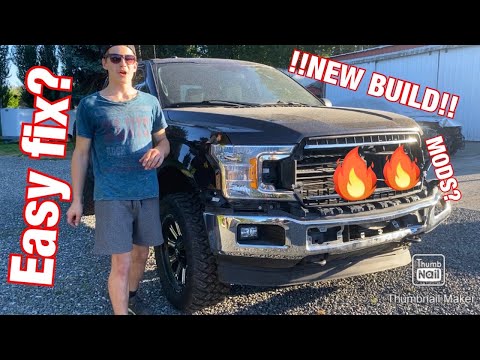
The Hidden Complexity of the Cooling System
The 2018 GMC Yukon utilizes what is known as a stacked cooling configuration. Because these vehicles are designed for towing and heavy loads, the cooling requirements are massive. Behind the grille, you will find:
- The AC Condenser: Usually the first line of defense; very thin and easily bent.
- The Radiator: Made of aluminum with plastic side tanks that can develop hairline stress cracks from the force of an impact.
- Oil and Transmission Coolers: Often sandwiched within the stack.
- The Cooling Fan Assembly: The shroud and brackets holding the electric fans.
Even if your Yukon isn't leaking fluid on the ground immediately after an accident, the impact may have pushed the bumper reinforcement bar into this cooling stack. If the fan shroud is bent, the fans may eventually clip the radiator, leading to an engine-destroying overheat weeks after the repair is finished. A proper inspection must ensure that clearances are maintained and that no mounting brackets are fractured.

Why the Headlight is More Than Just a Bulb
Owners are often shocked by the price of a single Yukon headlight assembly, which can easily exceed 1,000 dollars depending on the trim level (SLE, SLT, or Denali).
Even if the outer lens is perfectly intact, the mounting tabs—the plastic ears that bolt the light to the frame—are designed to break away during an impact to absorb energy. If these tabs are broken, the headlight cannot be aimed correctly and will vibrate while driving. Furthermore, these assemblies contain sensitive LED components or High-Intensity Discharge (HID) ballasts and intricate wiring harnesses. If a wire is pinched or a connector is cracked, the entire assembly usually requires replacement to meet manufacturer safety standards.

Labor, Parts, and the Policy Factor
The final cost of your repair is a combination of labor operations and part choices, both of which are influenced by your insurance policy.
- Labor Operations: This involves Mechanical R and I (Remove and Install) for the cooling system, structural pulling to align the frame, and precision paint labor to match the Yukon factory finish.
- OEM vs. Aftermarket Parts: Most insurance policies allow for the use of alternative parts (aftermarket or recycled/used). If you want brand-new Original Equipment Manufacturer (OEM) parts, you must check your policy for an OEM Endorsement. If you do not have it, you may be responsible for the price difference between an aftermarket radiator and a genuine GM part.
- Calibration: Modern Yukons feature Advanced Driver Assistance Systems (ADAS). If your vehicle has front parking sensors or Adaptive Cruise Control, the sensors located in the bumper must be re-calibrated using specialized software after they are moved or replaced. This is a non-negotiable safety requirement.
Common Questions for Yukon Owners
Does insurance cover hidden mechanical damage?
Generally, yes. If the damage to the radiator, AC system, or wiring was caused by the collision, it is covered under a standard collision claim. However, insurance will not pay for wear and tear. For example, if the shop finds your radiator was already leaking from old age before the crash, the insurance company may deny that specific part of the supplement.
Why did my estimate change so much?
Your estimate changed because the first look was an educated guess, and the teardown revealed the reality. On a 2018 Yukon, the distance between the plastic bumper and the expensive mechanical parts is very small. Any impact that moves the bumper more than an inch or two is likely to damage the components behind it.
What should I do if I suspect hidden damage?
If you pick up your vehicle and the headlights seem aimed incorrectly, or if you hear a new humming noise (possibly a damaged cooling fan), take it back immediately. Before authorizing the final assembly, ask the shop: Have the cooling fan clearances been checked, and were the headlight mounting points inspected for cracks?
Final Advice for the Consumer
A 2018 GMC Yukon is a sophisticated machine, not just a truck. Because insurance laws and policy provisions vary by state, you should always consult with your insurance representative and a qualified collision professional.
Don't be alarmed by a supplement; be glad your repair facility is being thorough. It is far better for the shop to find a cracked radiator support during the teardown than for you to find it while stranded on the side of the road with an overheated engine. Always request a final itemized copy of the repairs to ensure all safety systems and cooling components have been restored to manufacturer specifications.



No Comments Yet
Be the first to comment on this article.