Curtis.Castiglione@ROzebra.com
2018 Ford Mustang Side-Impact Repair Analysis
If you have recently been involved in a side-impact collision in your 2018 Ford Mustang, you might be looking at a minor dent in the door and wondering why the repair process feels so complicated. On the surface, it is just a door, right?
In the modern collision repair industry, the answer is almost always no. A side impact on a vehicle like the Mustang—which utilizes a mix of high-strength steels and complex electronic systems—rarely stops at the outer metal skin. By understanding the relationship between the visible damage, the hidden structure, and how insurance companies process these claims, you can better advocate for a safe and complete repair.
Why does my repair estimate change after the shop takes the car apart?
It is common for an initial insurance estimate to be significantly lower than the final repair bill. This is not necessarily because the insurance adjuster is being cheap, but because most initial assessments are visual-only.
When an adjuster looks at your Mustang in a parking lot or through photos, they can only document what they see: usually a damaged door shell or outer panel. However, the true extent of the damage is hidden behind that panel.
Once the shop begins the teardown (disassembly), they often find that the energy of the impact traveled through the door and into the vehicle's skeleton. This leads to a supplement—a request sent to the insurance company for additional labor and parts once the hidden damage is documented.
The Path of Energy: What actually gets damaged?
In a 2018 Mustang, the door is designed to transfer energy around the passenger cabin to protect you. This means parts you cannot see often take the brunt of the force.
1. Door Hinges and Pillar Mounting Points
The hinges are the heavy-duty pivot points that hold the door to the body. Even if the door still opens, the impact may have bent the hinges or, more critically, moved the mounting points on the hinge pillar. If these are off by even a few millimeters, your door will never align correctly, leading to wind noise, water leaks, or failure to latch in a future accident.
2. The Rocker Panel
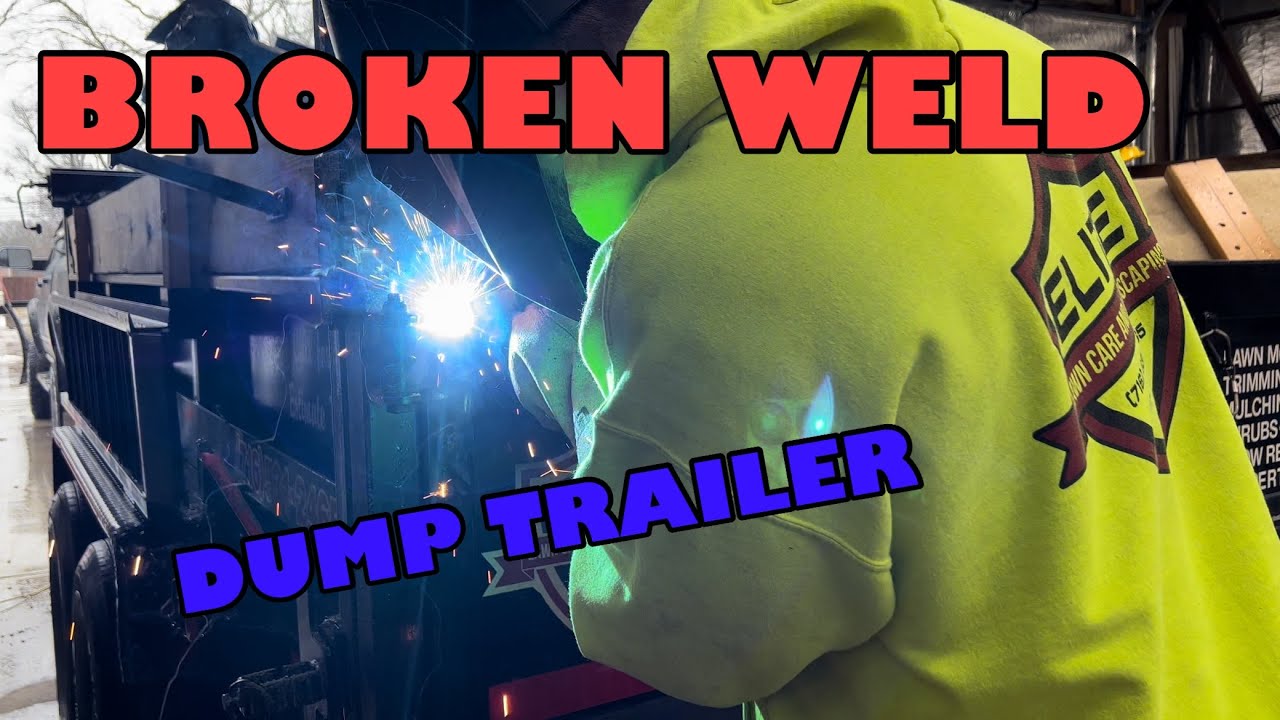
The rocker panel is the structural beam running along the bottom of the car under the door. Because the Mustang sits low to the ground, side impacts often crush the door into the rocker. Ford uses high-strength steel in these areas. Unlike older cars, this steel often cannot be pulled or straightened with heat because heat destroys the metal's integrity. If the rocker is kinked, it may require complex sectioning procedures dictated by Ford’s OEM (Original Equipment Manufacturer) repair manuals.

3. Latch and Striker Alignment
If you have to slam your door to get it to close, or if the gaps between the door and the fender look uneven, the latch or the striker (the hook on the car body) has likely shifted. This is a primary safety concern; a compromised latch may not hold the door shut during a secondary impact or a rollover.
The Hidden Electronics: Sensors and Calibration
Modern doors are essentially computer housings. Inside your 2018 Mustang door, you will find:
- Side-Impact Airbag Sensors: These must be inspected and often replaced if the mounting area is deformed.
- Blind Spot Information Systems (BLIS): If your mirror was hit, the sensors and wiring must be checked.
- Window Regulators and Glass Tracks: The internal tracks can bend even if the glass does not shatter.
Most modern repairs require a pre-repair and post-repair diagnostic scan. The shop connects a computer to your Mustang to see if the impact caused soft codes (errors that do not trigger a dashboard light). After repairs, systems like BLIS or power window one-touch features may require calibration to function correctly.
Insurance Coverage vs. Repair Reality
A common point of friction is the choice of parts. Depending on your policy and state law, your insurance company may specify:
- OEM Parts: New parts made by Ford.
- Aftermarket Parts: New parts made by a third party.
- Recycled Parts: Used parts from a donor vehicle.
While insurance companies look for the most cost-effective way to fulfill their policy obligations, the repair shop’s job is to ensure the vehicle meets factory safety standards. If a recycled door is used, the shop must still ensure that your original hinges and pillars are pulled back to factory specifications using computerized measuring systems.
Note: Insurance policies vary wildly by state. Some states require the use of OEM parts on newer vehicles, while others allow aftermarket parts regardless of the vehicle's age. Always review your specific policy language regarding Parts Choice.
What should I do if my Mustang has side-impact damage?
If you are researching a repair before authorizing work, follow these practical steps:
- Ask about the Hidden Five: Ask the shop if they have inspected the hinges, latch, striker, rocker panel, and pillar mounting points. If they only looked at the door skin, the estimate is incomplete.
- Request a Measuring Report: If there is any suspicion of structural movement, the shop should put the car on a frame rack and use a 3D measuring system to compare your car’s dimensions to Ford’s factory specifications.
- Check for Fault Codes: Insist on a diagnostic scan. A side impact can jar wiring harnesses, leading to intermittent electrical issues months down the road if not addressed now.
- Understand the Deductible: Remember that your insurance company pays the shop directly (or reimburses you) minus your deductible. If the shop finds hidden damage via a supplement, the insurance company typically pays that additional cost directly to the shop; it should not increase your out-of-pocket expense beyond your deductible.
The Bottom Line
A 2018 Ford Mustang is a high-performance machine with specific structural requirements. A simple door hit can involve high-strength steel, sensitive electronics, and precision alignment. By choosing a shop that prioritizes a full teardown and follows manufacturer repair procedures, you ensure that your Mustang remains as safe and valuable as it was before the accident.
Written by Curtis Castiglione
Disclaimer: This article is for informational purposes. Insurance laws and repair procedures vary by location and vehicle build. Always consult with your insurance provider and a qualified collision repair professional regarding your specific claim and vehicle.



No Comments Yet
Be the first to comment on this article.