Curtis.Castiglione@ROzebra.com
2018 Ford F-150 Rear-Wheel Impact: Hidden Mechanical Damage and Insurance Claims
When a 2018 Ford F-150 is involved in a collision where the rear wheel takes a direct hit, the damage often looks deceptively minor. You might see a scuffed rim, a torn tire sidewall, or perhaps a slight dent in the bedside. However, in the professional world of collision repair, a side impact to a rear wheel is a red flag for significant mechanical failure.
Because of the engineering behind the F-150’s drivetrain and suspension, what looks like a 1,000 dollar wheel replacement can quickly evolve into a multi-thousand-dollar mechanical rebuild.

Does insurance cover the mechanical damage to my axle and brakes?
Generally, yes. A standard auto insurance policy is designed to return the vehicle to its "pre-loss condition." This includes not just the shiny parts you can see, but the mechanical components that make the truck safe to drive.
However, there is a catch: Insurance adjusters generally only write for what they can see. During an initial field inspection, an adjuster might only see a damaged wheel and tire. They will write an estimate for those items and move on. It is the responsibility of the repair facility to perform a "teardown"—taking the components apart to find hidden damage—and submit a supplement to the insurance company.
A supplement is an additional claim for damages discovered after the initial estimate was written. If your shop finds a bent axle or a damaged hub, they must document it with photos and measurements to ensure the insurance company pays for the necessary mechanical repairs.
The "Lever Effect": How Impact Energy Travels
The 2018 Ford F-150 utilizes a solid rear axle. When the rear wheel is struck from the side, it acts as a massive lever. The kinetic energy from the crash doesn't just stop at the wheel; it travels inward through the following components:
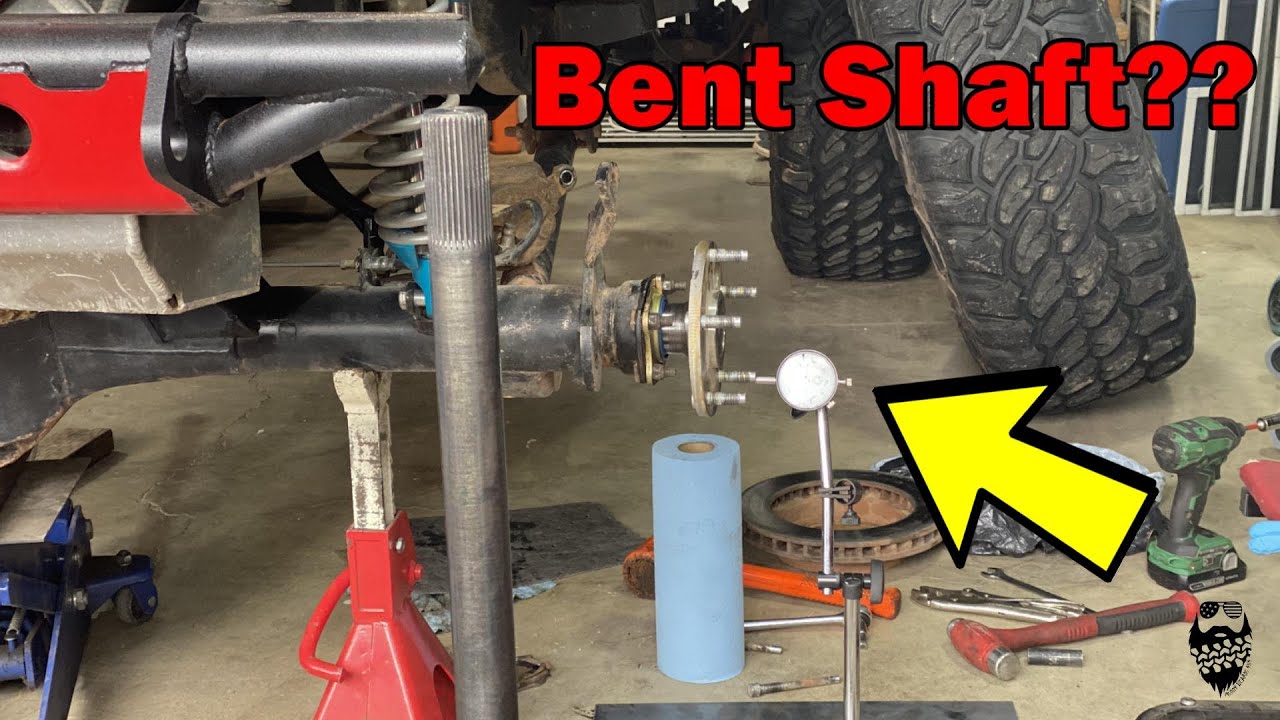
- The Axle Shaft: Even a slight impact can bend the axle shaft. This may not be visible to the eye, but it causes "runout." If the shaft is even a few thousandths of an inch out of alignment, it will cause a highway-speed vibration and eventually destroy the differential.
- Wheel Bearings and "Brinelling": This is one of the most common hidden issues. When a wheel is slammed sideways, the hardened steel rollers inside the bearing are forced into the bearing race. This creates microscopic indentations known as "brinelling." The truck may drive fine for the first 100 miles, but those indentations will eventually lead to a loud humming noise and total bearing failure.
- The Hub and Seals: Impact forces can distort the hub and compromise the axle seals, leading to fluid leaks that can contaminate the brake system.
Brakes and Electronics: The Modern Complexity
The 2018 F-150 is not just a mechanical machine; it is a rolling computer. A rear-wheel impact affects more than just the metal parts.
The Braking System
The brake rotor sits directly behind the wheel. A hard hit can warp the rotor or crack the mounting points for the brake caliper. Additionally, the 2018 model often features an Electronic Parking Brake (EPB). The actuators and wiring for this system are located near the wheel end and are highly susceptible to impact damage.
ADAS and Sensors
Modern F-150s are equipped with Advanced Driver Assistance Systems (ADAS). If your truck has blind-spot monitoring (often located in the taillights) or rear cross-traffic sensors, a jolt to the rear quarter of the truck can knock these sensors out of calibration. Most manufacturers, including Ford, now require a pre-repair and post-repair diagnostic scan to ensure the vehicle's safety computers are communicating correctly.
Why did my estimate change after the teardown?
It is common for a 2018 F-150 estimate to start at 1,200 dollars (for a wheel and tire) and jump to 4,500 dollars or more after a mechanical inspection. This isn't "price gouging"; it is the result of proper diagnostic procedures.
A professional technician will use a dial indicator to measure the straightness of the axle. If the "runout" exceeds Ford's factory specifications, the component must be replaced.
Parts Usage: OEM vs. Alternative
When these mechanical repairs are added to the estimate, you may see your insurance company suggest "Alternative Parts." This could include:
- Recycled (Used) Parts: A complete rear axle assembly from a salvage yard.
- Aftermarket Parts: New parts made by a company other than Ford.
While these parts can be high-quality, they must be inspected with the same rigor as the damaged parts. If your policy allows you to choose Original Equipment Manufacturer (OEM) parts, you may prefer new Ford components to ensure a perfect fit and performance.

What should I do if I suspect mechanical damage?
If your truck has been hit in the rear wheel, follow these steps to protect your safety and your vehicle's value:
- Request a "Runout" Test: Explicitly ask your repair shop to check the axle shaft and hub for straightness using a dial indicator.
- Listen for New Noises: After the initial repair, listen for humming, growling, or rhythmic vibrations. If you hear them, report them to your insurance company immediately as "related prior damage."
- Demand a Diagnostic Scan: Ensure the shop performs a computer scan to check for faults in the ABS, EPB, and Blind Spot systems.
- Review the Teardown Documentation: Ask the shop for photos of the damaged mechanical components to ensure your insurance company has all the evidence needed to approve the supplement.
The Bottom Line: On a 2018 Ford F-150, restoring the aluminum body panels and the paint is about how the truck looks. Verifying the integrity of the rear axle and braking system is about whether the truck is safe to drive. Never finalize a claim until the mechanical components have been professionally inspected.
Disclaimer: Insurance policies and state laws vary. Review your specific policy and consult with a qualified collision repair professional or your insurance representative regarding your coverage and repair options.



No Comments Yet
Be the first to comment on this article.